PMU Starter Kit Guide for Serious Artists
A beginner kit can either make your first 50 procedures smoother or create problems you end up paying for twice. That is why a smart PMU starter kit guide is less about buying everything at once and more about building a setup that supports clean work, predictable healed results, and efficient appointments.
If you are training, opening a new studio, or finally replacing the random supplies you pieced together from different sources, start with the workflow. In PMU, every item in your kit affects precision, comfort, retention, and sanitation. The right setup does not need to be oversized, but it does need to be intentional.
What a PMU starter kit guide should actually help you buy
A lot of starter kits look impressive because they include a high item count. That does not always mean they are well built for real treatment days. A useful PMU starter kit guide should help you separate true essentials from filler.
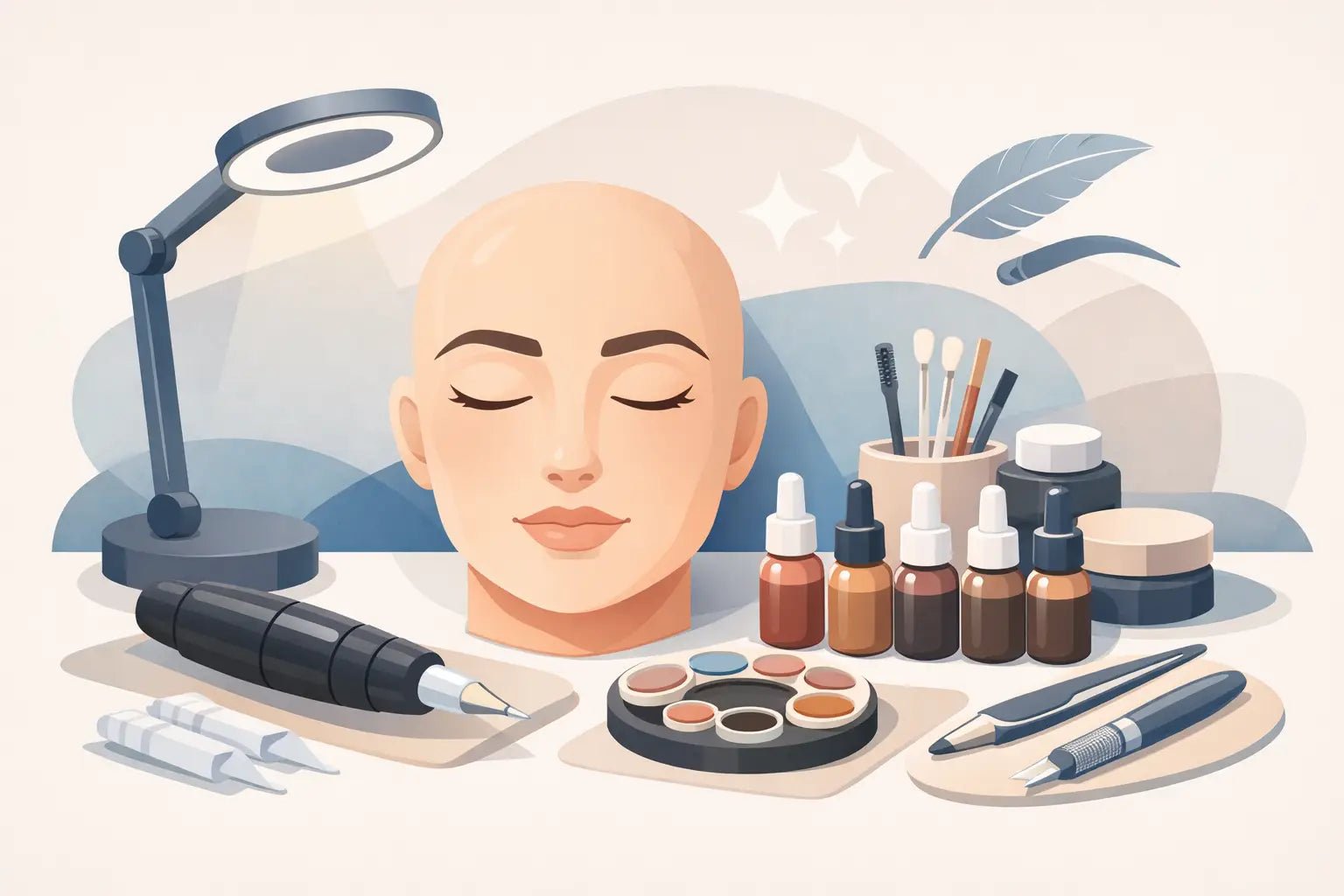
At minimum, your kit needs five categories covered well: machine and power, needle cartridges, pigments, mapping tools, and hygiene disposables. After that, add comfort and aftercare products that improve the client experience without cluttering your station.
The trade-off is simple. If you buy the cheapest possible version of every category, you may save upfront but lose consistency in implantation, pigment behavior, and setup reliability. If you overspend on advanced tools before your technique catches up, you can tie up budget in products you are not using to their full potential yet.
Machine first, because everything else works around it
Your machine is the foundation of your kit. For most new artists, a lightweight wireless machine is attractive because it reduces cord drag, speeds up station setup, and feels more flexible during brow and lip work. That said, wireless is not automatically better for everyone. Some artists still prefer a stable wired setup for longer sessions or for a more familiar balance in hand.
What matters most is control. You want a machine with consistent power delivery, low vibration, and a comfortable grip diameter for detailed cosmetic work. PMU is not body tattooing. Brow strokes, pixel shading, lip blush saturation, and delicate liner work all demand steadiness over brute force.
If you are choosing one machine for a broad service menu, think about the treatments you plan to book most often. A machine that feels excellent for powder brows may not be your favorite for fine liner. When budget only allows one device, go with the option that supports your main revenue service first, then expand later.
Needle cartridges: where precision really shows
Artists sometimes obsess over the machine and underestimate how much cartridges affect performance. In reality, cartridge quality can change everything from pigment flow to trauma level. Poorly made needles create inconsistency you cannot technique your way out of.
For a starter setup, keep your cartridge range focused. You do not need every configuration on day one. You need the groupings you will actually use while training or building your first service menu. That often means a small selection for shading, detail work, and lip procedures, depending on your specialty.
Membrane quality matters. Stability matters. Sharpness matters. Universal needle cartridges from reputable professional brands are usually the safer move than bulk packs with unclear manufacturing standards. Saving a few dollars per box is not worth unpredictable implantation or excess skin disruption.
Pigments should match your treatment menu, not your wish list
One of the fastest ways to overspend is buying a giant pigment collection before you know what shades you will reach for weekly. A better approach is to build around your core services and your actual client base.
For brows, that usually means a tight lineup of versatile shades with reliable modifiers so you can adjust for undertone, depth, and Fitzpatrick variation. For lips, start with wearable healed outcomes and a few strategic mixers rather than every trendy tone on the market. Recognizable PMU pigment brands earn their reputation because artists need consistency from bottle to bottle, and healed results matter more than how a shade looks fresh in the cup.
This is also where experience level matters. If you are new, simpler systems can keep color choices clearer and reduce mistakes during formulation. If you already understand color theory well, a broader pigment wardrobe gives you more control. Either way, expired shelf stock, unknown storage history, and inconsistent formulas do not belong in a professional starter kit.
Your PMU starter kit guide for mapping supplies
Clean design starts before the machine touches skin. Mapping tools are not extras. They are essential to symmetry, communication, and efficiency.
A practical brow setup should include mapping string, brow mapping rulers or calipers, skin-safe marking tools, and cotton-tipped applicators or similar detail tools for cleanup. If brows are your main service, mapping products deserve more attention than many starter kits give them. Fast, repeatable pre-draws help you manage consultation time and create more confidence for the client before the procedure begins.
For artists offering lips or liner, your design tools may look slightly different, but the principle stays the same. You need products that support accurate shaping and visible markings without smudging into a mess mid-appointment.
There is also a workflow question here. Some artists prefer disposable measuring tools for convenience, while others use reusable devices where allowed and appropriate. The right answer depends on your sanitation protocols, treatment volume, and studio habits.
Hygiene essentials are not the place to cut corners
A polished PMU station runs on disposables and barriers just as much as it runs on equipment. Gloves, machine bags, clip cord covers if applicable, dental bibs, barrier film, pigment cups, applicators, gauze, micro swabs, and surface disinfecting supplies should all be part of your opening order.
This category is easy to overlook because it is not exciting. It is also the category that determines whether your station feels professional and compliant or rushed and incomplete. Clients notice cleanliness instantly, and so do inspectors.
Stock enough PPE and setup consumables to work through multiple appointments without scrambling. Running out of gloves or barrier film is not a small inconvenience. It interrupts your pace and makes your operation look unprepared.
Comfort and aftercare support retention and reputation
A starter kit should also cover what happens around the procedure, not just during it. Topical anesthetics, when used according to protocol and within your local regulations, can improve the treatment experience and help clients stay more comfortable through longer services. Not every artist uses the same numbing approach, and not every procedure needs the same strategy, so buy for your treatment style rather than copying someone else’s cart.
Aftercare is equally important. Sending clients home with reliable aftercare products helps protect your work and creates a more professional finish to the appointment. It also reduces the odds of clients improvising with products that are too harsh, too occlusive, or simply not intended for fresh PMU.
This is one of those areas where small upgrades can pay off. A client who feels cared for after the appointment is more likely to trust your instructions, heal well, and refer others.
Practice materials belong in the budget
If you are a newer artist, practice skins should be part of your starter order, not an afterthought. They let you test machine settings, hand speed, pressure, stretch, and pigment behavior before those variables meet live skin.
Even experienced artists use practice materials when trying a new machine, cartridge configuration, or pigment line. It is a controlled way to shorten the adjustment period. That matters because every product combination has its own feel.
Buying smarter instead of buying bigger
The strongest starter kits are usually built in phases. Phase one gets you treatment-ready for your core services. Phase two expands shade options, cartridge variety, backup supplies, and convenience extras once your booking pattern is clear.
That approach protects cash flow and keeps your station organized. It also helps you notice what actually earns its place in daily use. A curated setup built around brows and lips will serve you better than a giant box full of products you barely touch.
Working with a supplier that understands PMU specifically helps here. Inkbox Artistry was created by permanent makeup artists for artists, which matters when you are comparing machine options, pigment brands, mapping tools, and everyday consumables that need to perform under real service conditions.
How to audit your PMU starter kit before checkout
Before you place an order, walk through a full appointment in your head. Can you map, set up a barrier-protected station, perform the procedure, manage comfort, photograph the result, break down safely, and send the client home with aftercare using only what is in your cart? If the answer is no, your kit is not complete.
Then check for balance. Too many pigments and no disposables is a common mistake. So is buying a premium machine with low-grade cartridges. Your setup only works when the categories support each other.
Finally, think about backup. You do not need duplicates of everything immediately, but you should have enough high-use consumables to avoid appointment-day panic. Professional confidence often comes from simple things being handled before they become problems.
A good starter kit does not try to impress with volume. It earns its value in cleaner setups, calmer appointments, and work you are proud to heal.