Choosing a Lip Blush Pigment Set for Clients
A lip blush appointment can look perfectly balanced at the first pass and still heal too cool, too bright, or too muted if the pigment selection is off. That is why a lip blush pigment set should be more than a group of attractive swatches. For working artists, it is a controlled color system that supports accurate pre-draw decisions, thoughtful neutralization, and repeatable healed results across a real client roster.
What a Lip Blush Pigment Set Should Actually Solve
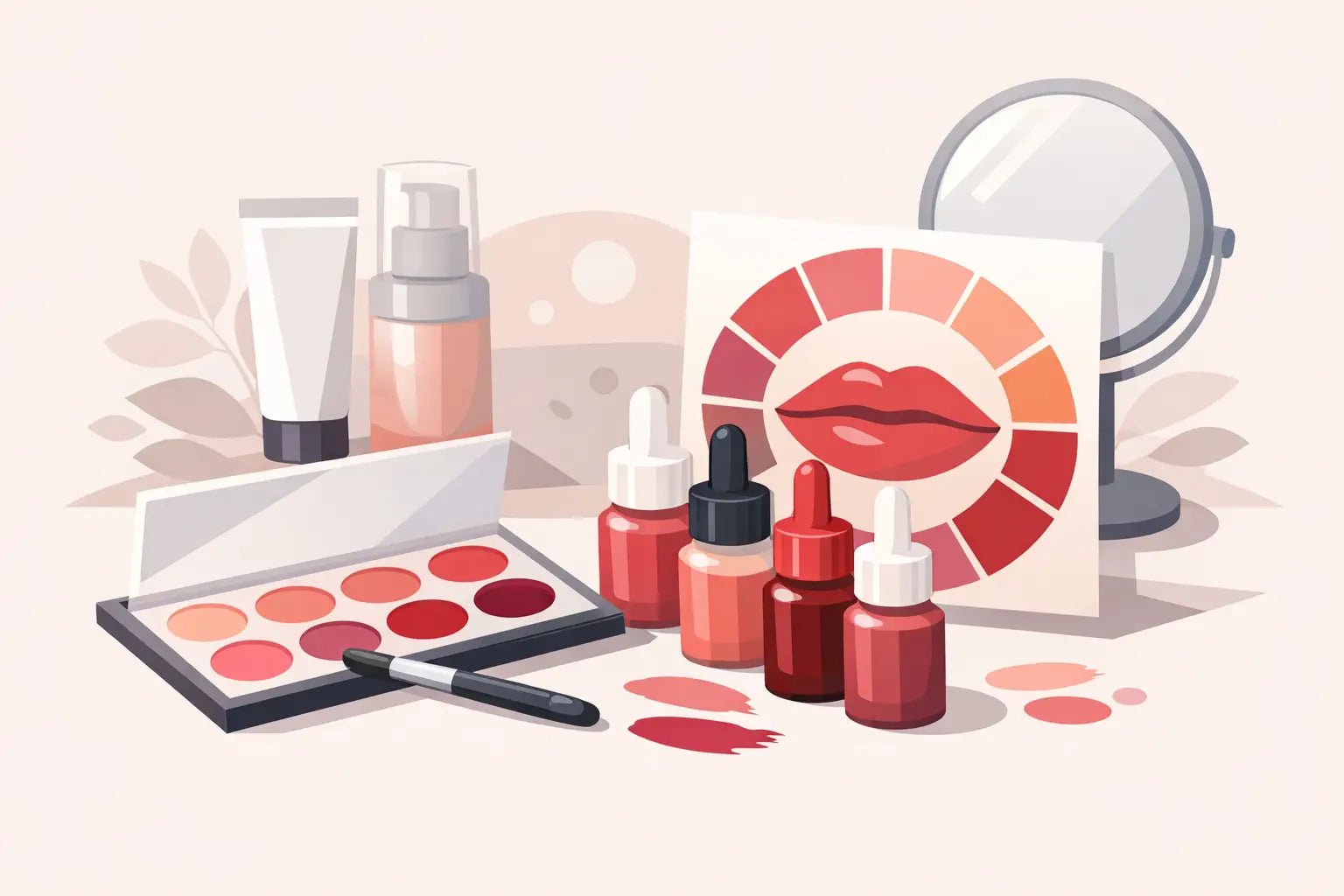
Buying individual lip pigments can make sense when you already know exactly which shades move through your studio. A well-built set, however, gives you a practical starting range: nude tones, pinks, corals, reds, and often modifiers or neutralizers designed to work together. The advantage is not simply variety. It is having colors with a predictable relationship to one another when you need to adjust warmth, depth, or saturation without reaching for a random bottle.
That consistency matters when a client brings in a saved photo that is far removed from her natural lip tone. The artist still has to account for melanin, existing lip color, border definition, skin undertone, and how softly or boldly the client wears makeup. A pigment that appears like a neutral rose in the bottle may read noticeably cooler on a lip with a violet cast. A bright coral may be the right correction tool for one client and far too warm for another.
A professional set gives you options, but it does not replace color theory. Treat every shade as a starting point for analysis rather than a promise based on its name.
Start With the Client's Natural Lip Canvas
Before choosing a target color, assess the lips in clean, even lighting. Look beyond surface dryness or temporary flushing from the consultation. Identify the natural base, areas of uneven pigmentation, the degree of coolness or darkness, and whether there is a previous cosmetic tattoo underneath.
Cool or melanin-rich lips often need a different plan than naturally pale pink lips. In many cases, the first session is focused on bringing more balance and warmth to the canvas, rather than chasing a light nude result immediately. Attempting to implant a pale, cool shade over strong blue, purple, or brown tones can leave the healed color looking gray, ashy, or uneven.
This is also where artists need to manage expectations with confidence. A reference photo may show a glossy, filtered lipstick finish, while lip blush is intended to heal as a soft enhancement. Explain that saturation can be built over sessions when appropriate, and that healed color is influenced by the client's biology, aftercare, and treatment history.
Previous Work Changes the Equation
Never choose from a lip blush pigment set as if prior work is invisible. Old lip tattooing may have shifted cool, faded irregularly, or retained more strongly along the vermilion border. Photograph the lips, review their history, and assess whether correction, neutralization, a test spot, or removal consultation is the responsible next step.
Layering a fashionable new shade over an unresolved old base is rarely an efficient color strategy. It can complicate the healed result and make future corrections more difficult.
Build Your Working Palette Around Undertone and Opacity
The most useful lip sets provide a range of temperatures and values, not five versions of the same pink. As you compare collections, look for shades that have a clear role in your treatment workflow.
Warm peaches, corals, and orange-based modifiers can support neutralization plans for lips carrying cool tones. Neutral roses and balanced pinks are dependable for clients who want a polished everyday result without leaning noticeably warm or cool. Rich berry, red, or deeper rose tones create options for clients with more contrast, darker natural lips, or a stronger makeup preference. Light nudes can be valuable finishing shades, but they require careful placement and are not a shortcut to a lighter healed lip.
Opacity deserves the same attention as undertone. Sheerer pigments can create a delicate wash and allow more natural lip color to show through. More opaque formulas may give stronger visible impact, but they can also demand more thoughtful color selection, especially over uneven bases. Neither approach is automatically better. It depends on the treatment goal, the canvas, the artist's technique, and the client's tolerance for a more noticeable healed enhancement.
When possible, swatch pigments in a consistent way for your own records. Bottle swatches help organize a station, but they do not behave like healed work in skin. Track your client formulas, starting canvas, needle configuration, number of passes, and healed outcome. Over time, those notes become more valuable than any color chart because they reflect your hand and your clientele.
Choose a Set That Fits Your Treatment Menu
A new artist does not always need the largest collection available. A focused lip blush pigment set with well-spaced shades can be easier to learn, easier to restock, and less likely to create indecision at the tray. Build competence with a tight palette first, then expand when your booked treatments show a genuine gap.
For a studio offering neutral lip blush, warm neutralization, and color boosts, a set should include enough range to cover those services without constant mixing from unrelated lines. Artists specializing in high-saturation lipstick effects may prioritize deeper, more opaque reds and berries. Trainers may need broader shade families so students can practice identifying temperature and value differences in person.
Brand consistency can also streamline your process. Pigments within one professional system are generally designed with compatible color logic and usage guidance. Mixing across brands is not inherently wrong, but it should be intentional. Different bases, viscosities, and healed behavior can make formula tracking harder, particularly for artists who are still building their case studies.
Documentation, Hygiene, and Shelf Control Matter
Color performance is only one part of the purchase decision. Your pigment workflow needs to support professional treatment standards and the requirements that apply in your state and local jurisdiction. Buy from established professional suppliers, review manufacturer documentation, confirm lot and expiration information, and retain records in the way your studio protocol requires.
At the treatment station, dispense only what you need into single-use pigment cups. Avoid returning unused product to the bottle. Keep bottle tips clean, prevent cross-contamination, and follow the manufacturer's storage and handling instructions. If a pigment has changed in texture, odor, or appearance, or if its dating is unclear, remove it from service rather than trying to make it work.
This discipline protects more than inventory. It supports a professional client experience. Clients may not know the difference between a warm rose and a neutral rose, but they recognize an artist who has an organized setup, clear answers, and a methodical approach to safety.
Create Formulas You Can Repeat
A great healed result should not depend on memory. Record the exact pigment names, ratios, modifiers, and any dilution or adjustment used, along with the client's natural lip assessment. Add notes about technique only if they are specific enough to be useful later: needle grouping, machine settings within your normal protocol, passes, and areas that accepted pigment differently.
For touch-ups, revisit the original notes before selecting a new color. The client may ask to go warmer, darker, or rosier, but the healed base tells you what the lips actually need. This is especially useful when a client returns months later after you have worked through several new pigment collections.
At Inkbox Artistry, artists can source professional pigment options alongside the cartridges, PPE, mapping supplies, and aftercare products that keep the full lip workflow moving without unnecessary gaps.
When a Bigger Set Is Not the Better Set
More shades can feel like more capability, yet an oversized palette can create unnecessary waste if many colors sit untouched until they expire. Review your service mix and your last several months of healed cases. If your clients consistently request soft neutral pinks and warm enhancements, restock depth in that range before investing heavily in dramatic shades that do not match your menu.
The opposite is true when your current collection forces you to overmix every appointment. If you are repeatedly creating the same berry, muted rose, or warm correction blend from several bottles, a set with a better-built shade family can save time and improve formula consistency.
The right pigment collection earns its place through the work it helps you perform. Choose shades you can assess clearly, document accurately, and use with purpose. When your color system matches your technique and client base, every consultation becomes less about guessing at a bottle and more about planning a healed result you are proud to photograph.