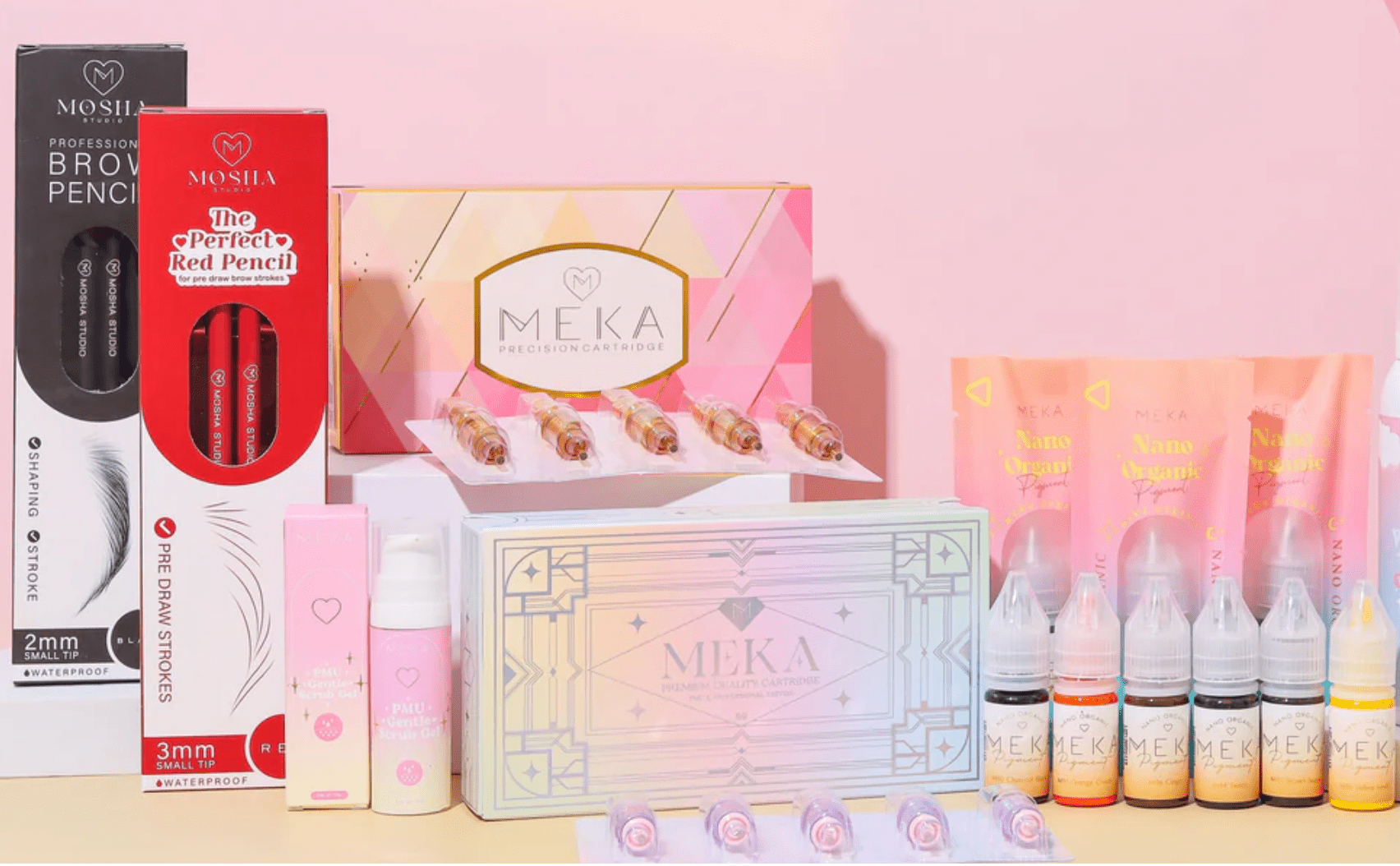
Permanent Makeup Supplies Wholesale Tips

When your appointment book is full, the fastest way to create problems is sloppy inventory. Running out of your go-to cartridges, scrambling for mapping string, or substituting pigments midweek does more than slow you down - it affects results, client confidence, and profit. That is why permanent makeup supplies wholesale is not just about getting a better unit price. For serious PMU artists, trainers, and studio owners, it is part of running a tighter, more consistent business.
Wholesale buying makes the most sense when your supply needs are predictable and your standards are non-negotiable. In permanent makeup, those standards are high for a reason. You need pigments that perform consistently, needle cartridges you trust on contact, anesthetics and aftercare that fit your protocol, and PPE that supports a clean, efficient treatment flow. Buying these categories strategically can reduce cost per service while protecting the details clients actually notice.
What permanent makeup supplies wholesale should actually solve
A lot of artists think wholesale starts and ends with bulk pricing. Price matters, but it is only one piece of the decision. The better question is what wholesale is solving inside your business.
For solo artists, it often solves workflow friction. Instead of placing small emergency orders every few days, you build a stable backbar with the disposables and treatment essentials you use every week. For multi-artist studios, wholesale helps standardize product selection so one technician is not using a completely different setup from another. For trainers, it supports class prep, student kits, demo inventory, and repeat ordering without the constant headache of piecing supplies together from multiple places.
There is also a branding benefit that gets overlooked. Clients may not know your preferred cartridge configuration or pigment line by name, but they do notice consistency. They notice when pre-draw is clean, when the setup looks organized, when healing support is clear, and when your work delivers repeatable results. Reliable sourcing supports all of that.
The categories worth buying wholesale first
Not every PMU product belongs in a large order. Some categories are smart to stock deeply, while others depend on your service mix, shelf life, or how often your preferences change.
Disposable essentials are usually the clearest starting point. Universal needle cartridges, grip covers, machine bags, bibs, pigment cups, applicators, razors, and barrier film move fast in busy studios. These are high-turn items with predictable use rates, which makes them ideal for wholesale purchasing. If you perform brow, lip, and correction work weekly, it is easy to forecast these numbers.
PPE is another category where buying ahead makes sense. Gloves, masks, and sanitation support products are not glamorous purchases, but they are non-negotiable. Wholesale access helps protect you from supply gaps and sudden cost increases, especially during busy seasons or training blocks.
Mapping supplies are also strong wholesale candidates. Brow mapping rulers, calipers, mapping string, pencils, and skin markers are foundational tools in daily service flow. Even artists with a very refined setup tend to go through these steadily. Keeping them stocked prevents the kind of unnecessary interruption that throws off timing between clients.
Pigments require more judgment. If you have established bestsellers in your brow or lip menu and know exactly which shades and modifiers you move, wholesale can work extremely well. If you are still testing lines, expanding into new services, or adjusting for different healed outcomes, overbuying can create dead stock. Pigments should be purchased with a tighter eye on turnover, expiry windows, and client demand.
Machines are different again. A wireless tattoo machine or backup handpiece is a strategic investment, not a bulk purchase category. If a wholesale program includes better pricing on machines, that can be valuable, especially for trainers, growing studios, or artists upgrading multiple stations at once. But this is where performance, ergonomics, stroke preference, and compatibility matter more than quantity.
How to evaluate a wholesale supplier like a working artist
The right supplier should make your business easier to run, not more complicated. That starts with category depth. A supplier that understands PMU should be able to support the treatment workflow end to end: machines, cartridges, pigments, mapping tools, anesthetics, aftercare, practice skins, and PPE. When your sourcing is fragmented across too many vendors, you lose time and introduce inconsistency.
Brand quality matters just as much as assortment. Recognizable professional lines such as Perma Blend, Tina Davies, Brow Daddy, Kwadron, Microbeau, and Mara Pro carry weight because artists know what to expect from them. That familiarity reduces risk. In PMU, changing too many variables at once is rarely a smart move, especially when healed results and client safety are on the line.
You should also pay attention to whether the supplier feels industry-native. There is a big difference between a general beauty distributor and a supplier created by permanent makeup artists for artists. The second group tends to understand practical buying behavior better. They know why cartridge compatibility matters, why artists need reliable brow mapping tools rather than generic alternatives, and why aftercare is not an add-on category but part of treatment quality.
Support programs can be a deciding factor too. Wholesale pricing is useful, but trainer discounts, affiliate options, educational content, and promotional offers can add real value if they match how you operate. A PMU trainer ordering for classes has different needs from a solo artist building a tighter monthly reorder cycle.
Permanent makeup supplies wholesale without overstocking
The downside of wholesale is obvious: buying too much of the wrong thing. Good purchasing is not about chasing the biggest order. It is about ordering the right volume for the right categories.
Start with your service data. Look at how many brow, lip, and touch-up appointments you complete in an average month. Then match your core consumables to that volume. If one service setup uses a specific cartridge configuration, a certain mapping string, a few disposable applicators, gloves, and aftercare, you can estimate usage with surprising accuracy once you stop guessing.
Seasonality matters as well. Training months, holiday rush periods, promotional events, and summer travel schedules can all affect inventory movement. If you know you typically book more lip blush in one quarter and more brows in another, your purchasing should reflect that. The same logic applies to trainers preparing for certification classes or academy sessions.
Shelf life should always guide bulk decisions. PPE and many disposables are low risk to stock deeply. Pigments, anesthetics, and some treatment-support products require more discipline. If a product category has a shorter life cycle or your preferred brand changes frequently, smaller, faster-moving orders may protect your cash flow better than a large wholesale buy.
Where wholesale improves profit and where it does not
Artists sometimes expect wholesale to fix profitability on its own. It helps, but only in the right places. The strongest margin improvements usually come from repeat-use consumables that are tied directly to daily services. Shaving a meaningful amount off cartridge, PPE, mapping, and aftercare cost per client adds up over a month.
The weaker gains tend to come from buying expensive items you did not need yet. A machine upgrade can be worthwhile if it improves comfort, consistency, or speed. But if it sits in a drawer because your team is still using older setups, that is not efficiency. It is idle capital.
There is also a difference between lower cost and better value. A cheaper off-brand cartridge is not a win if it compromises precision, causes more resistance, or creates inconsistency in implantation. In PMU, poor performance gets expensive fast. Redo work, slower appointments, dissatisfied clients, and damaged trust erase small savings quickly.
That is why experienced artists usually build wholesale purchasing around proven products first. Once those foundations are covered, they test new items in a more controlled way.
A smarter buying model for studios and trainers
Studios and educators should think beyond simple bulk purchasing. The smarter model is standardization. If every artist in the studio uses compatible core supplies and approved pigment lines, training becomes easier, setups become faster, and reordering becomes more accurate. You also reduce the chaos of each station running on completely different product habits.
For trainers, consistency is even more important. Student kits, in-class demos, and post-training product recommendations all reflect your professional standards. When your wholesale source carries the same categories and brands you teach with, it creates a cleaner system for both you and your students.
This is where a focused supplier like Inkbox Artistry stands out. When the product mix is built around actual PMU workflows instead of generic beauty inventory, artists can source with more confidence and less friction.
Wholesale works best when it supports the way you actually perform services, teach techniques, and manage inventory day to day. Buy deeper where your usage is predictable, stay selective where performance and shelf life matter most, and treat sourcing as part of your artistry, not separate from it. Better stock control does not just protect your shelves - it protects your standards.