PMU Studio Hygiene Guide for Safer Treatments
A polished brow mapping setup and premium pigment selection mean very little if your treatment room does not protect the client at every touchpoint. This PMU studio hygiene guide is built for artists who want a practical, repeatable system - one that supports clean work, confident consultations, and a studio standard clients can feel the moment they sit down.
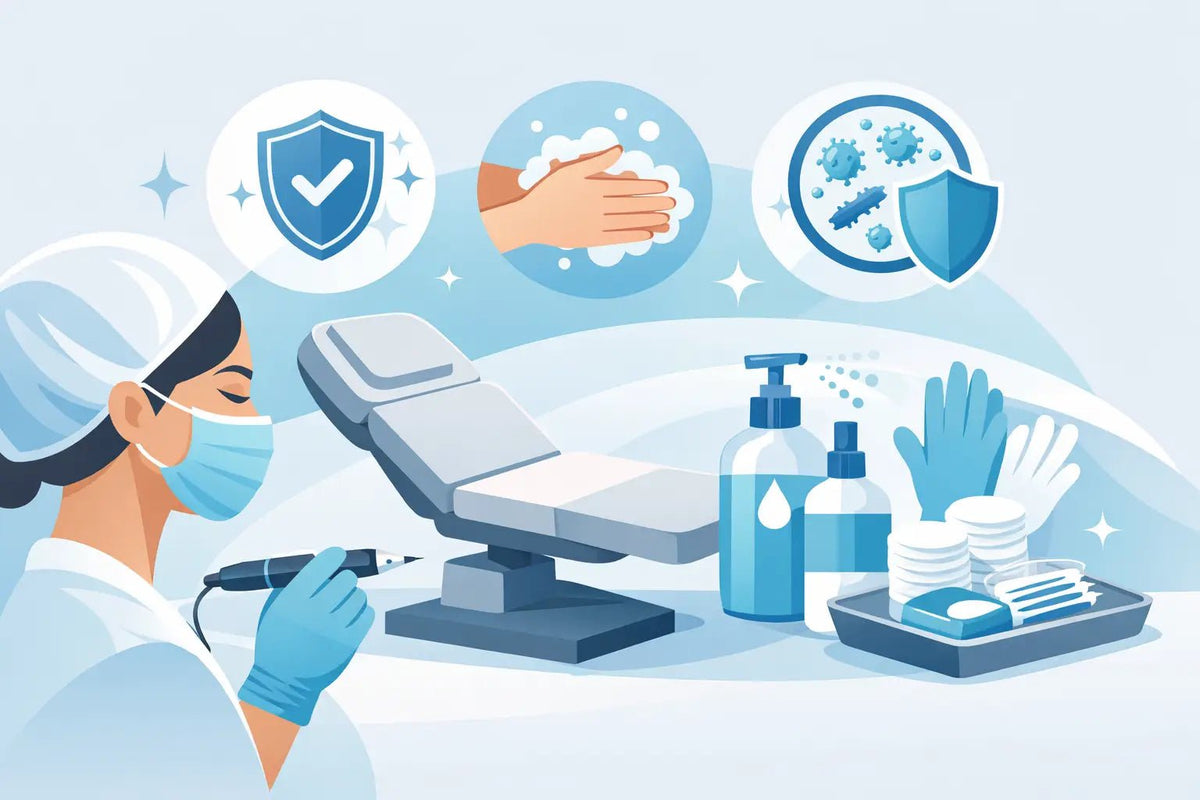
Hygiene is not a single disinfectant wipe at the end of the appointment. It is the workflow around your hands, machine, tray, pigment cups, surfaces, sharps, laundry, and aftercare conversation. When each step is intentional, you reduce avoidable cross-contamination risks while making your treatment days faster and more organized.
Build Your PMU Studio Hygiene Guide Around Workflow
The strongest hygiene protocol starts before the client arrives. Think in zones: a clean storage zone, a preparation zone, a treatment zone, and a contaminated waste zone. These areas should not blur into each other halfway through a powder brow or lip blush appointment.
Keep sealed needles, cartridges, pigment cups, disposable applicators, gloves, barriers, and sterile single-use items in clean storage. Do not reach into drawers or product bins with contaminated gloves. If you need an item you forgot to stage, remove your gloves, perform hand hygiene, retrieve the item, then glove up again.
Your treatment tray should contain only what you will use for that client. This protects inventory from unnecessary exposure and makes turnover easier to verify. For a standard PMU setup, that may include a single-use cartridge, pigment cups, a barrier-protected machine, gauze, micro swabs, disposable applicators, mapping materials, topical products dispensed for that appointment, and appropriate PPE.
Pre-portioning matters. Never return leftover pigment, anesthetic, or other product that has entered the treatment area to its original container. Use single-use cups and dispense only the amount needed, then discard any remainder after the procedure. A product can look untouched and still be compromised once it has been staged near the client or contacted with a used applicator.
Separate clean hands from working hands
Hand hygiene is the foundation, not a formality. Wash hands with soap and water when visibly soiled and at the start and end of the service. Use an appropriate hand antiseptic according to your local rules and product directions when hands are not visibly soiled. Dry hands fully before gloving.
Gloves are not a substitute for clean technique. Change them whenever you touch a non-barriered surface, answer a phone, adjust glasses, open a drawer, handle waste, leave the room, or move from a contaminated task back to a clean task. Keep phones out of the treatment workflow whenever possible. A beautiful client reveal is not worth bringing a high-touch device into your sterile field.
Prepare the Room Before Every Client
A room should be reset before the client walks in, not while they are waiting in the doorway. Begin with a visual check. Remove prior treatment materials, empty waste as needed, and confirm that only clean, sealed, or properly disinfected tools are present.
Clean and disinfect high-touch and treatment surfaces according to the instructions for your EPA-registered, hospital-grade disinfectant and the manufacturer directions. Those directions matter: contact time, dilution, compatibility, and whether pre-cleaning is required all affect performance. Spraying and immediately wiping a surface dry may not meet the product's stated contact time.
Focus on the places contamination actually travels: the treatment bed, tray, light handles, machine cord or power supply controls, drawer pulls, magnifying lamp controls, client chair arms, bottles, and any surface your gloved hands may contact. Barrier film can make turnaround more efficient on difficult-to-disinfect items, but it must be replaced between every client. A barrier is only protective if it is intact and changed consistently.
For reusable items, follow the manufacturer's instructions for cleaning, disinfection, and, when applicable, sterilization. Do not assume every metal tool can be wiped and reused. If your service includes reusable instruments that penetrate skin or contact broken skin, your state and local regulations may require specific sterilization processes, equipment, spore testing, and records. When in doubt, choose compliant single-use options or consult your local health authority.
Keep your machine and power setup protected
Wireless machines simplify cord management, but they still need a barrier strategy. Cover the machine body in a way that does not interfere with ventilation, battery access, grip control, or the manufacturer's instructions. Use a fresh barrier for every procedure and inspect it during service if pigment, fluids, or friction could compromise it.
Cartridges should be single-use and disposed of in an approved sharps container immediately after the appointment. Do not recap, bend, or leave used cartridges on the tray while you clean. Position a sharps container within reach before you begin so there is no need to carry an exposed needle across the room.
Client Prep Is a Hygiene Step, Not Just a Treatment Step
Client preparation should be calm, consistent, and documented. Start by reviewing the consultation and consent forms, contraindications, allergies, medications, and relevant skin history. This protects the client and helps you determine whether to proceed, modify the service, or reschedule.
Before mapping or pigment work, cleanse the treatment area with products appropriate for cosmetic tattooing and use a fresh disposable applicator for each product. Avoid double-dipping into jars, bottles, or pumps. If a product is not designed for direct client contact from its original packaging, dispense it into a single-use cup first.
Hair restraint also deserves attention. Use disposable caps, headbands, or other clean methods to keep hair away from the treatment area. If you use a reusable client headband, it must be laundered or disinfected between clients based on the material and manufacturer guidance. The same standard applies to blankets, bed covers, and pillows. If an item cannot be properly cleaned between clients, it should not be part of the setup.
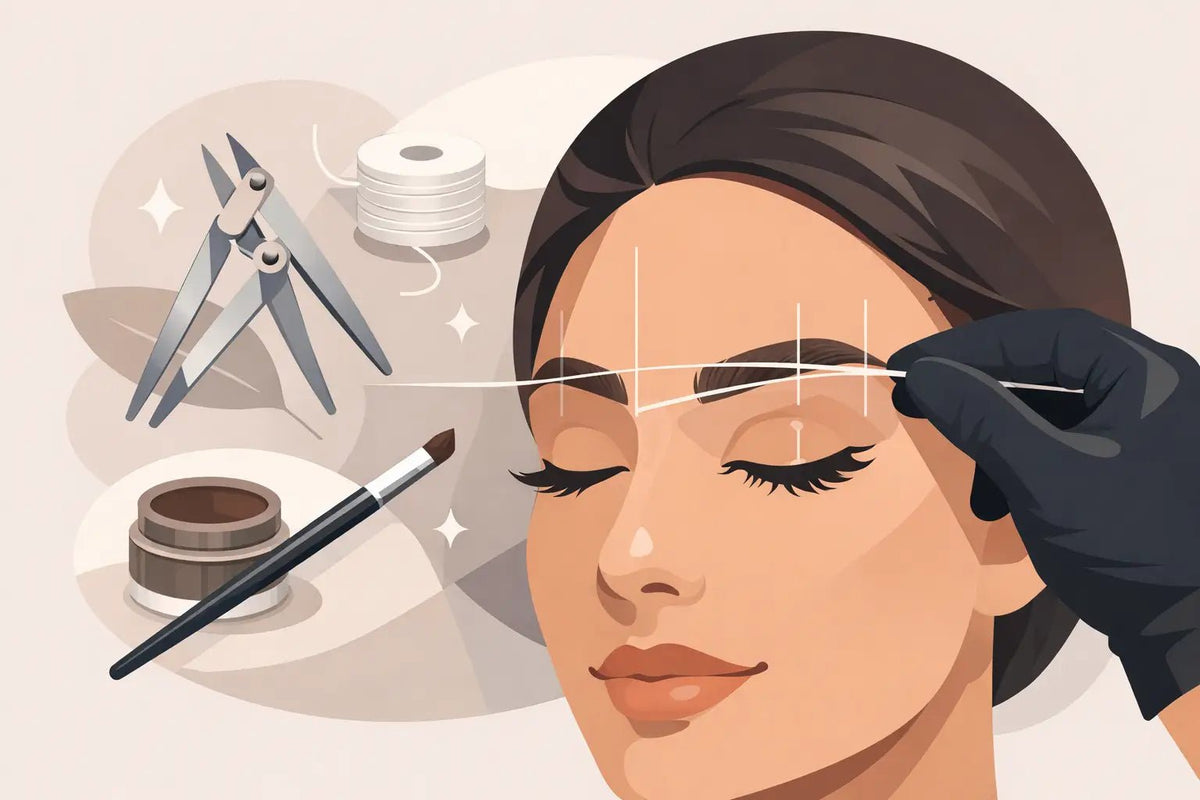
Keep clean and contaminated mapping supplies separate. Single-use mapping string and disposable rulers can simplify your protocol. If you use reusable calipers or tools, they must be cleaned and disinfected after each client before returning to storage. Never place a used tool back into a clean drawer because you plan to deal with it later.
Pigment, Topical, and Consumable Control
PMU hygiene has a direct impact on pigment handling. Label cups clearly when working with multiple shades or modifiers, and use a fresh cup for each color. If you need to adjust a blend, do it with clean, single-use applicators. Do not touch a bottle nozzle to a cup, glove, or work surface.
Check expiration dates and lot numbers as part of your opening routine. Store pigments according to the brand's requirements, away from excessive heat, direct light, and contamination. Many studios also document pigment brand, shade, lot number, and expiration date in the client record. Beyond supporting traceability, this creates a more professional response if a client has a question after healing.
The same logic applies to numbing products, cleansers, aftercare samples, and ointments. Read each manufacturer's directions and remain within your state scope-of-practice rules. Some topical products have specific timing, application, and removal instructions. More product is not automatically better, and improper use can affect the skin, client comfort, or treatment result.
Stocking dependable disposables is one of the easiest ways to protect consistency. Keep a working par level for gloves in several sizes, cartridge needles, pigment cups, barrier film, machine bags, bed covers, gauze, micro swabs, disposable applicators, masks, sharps containers, and approved disinfectant. Running short near the end of a busy day encourages shortcuts. Inkbox Artistry carries the PMU essentials artists use to keep that workflow moving without compromising the setup.
Turnover Between Clients: The Non-Negotiable Reset
Aftercare instructions are handed off, but the procedure is not finished. Dispose of sharps first, then remove barriers and single-use items without contaminating clean surfaces. Handle waste according to local regulations and your studio's exposure-control plan.
Remove gloves correctly, perform hand hygiene, and clean visibly soiled surfaces before applying disinfectant. Allow the required contact time, then replace barriers and restock only after surfaces are dry and the area is clean. Fresh bed covering, a new tray setup, and sealed consumables should be ready before the next client enters.
Do not rush turnover to make up time. If a late appointment leaves you with insufficient time to reset properly, adjust the schedule rather than compress the hygiene process. A few extra minutes protect your client, your reputation, and the longevity of your business.
Train for Consistency, Not Memory
For solo artists, written checklists reduce mental load on long treatment days. For studios with multiple artists, they create a shared standard that is easier to train, audit, and improve. Your checklist should reflect your state and local requirements, product instructions, and actual treatment flow - not a generic version copied from another studio.
Review protocols when you add a new machine, pigment line, disinfectant, service, or team member. Trainers should demonstrate setup and breakdown just as carefully as technique. Students often copy the habits they see under pressure, so make hygienic workflow part of every practical lesson.
Clients may not know the difference between a cartridge membrane and a standard cartridge, but they notice sealed supplies, clean surfaces, fresh gloves, and a calm, organized artist. Make those details visible through your process. Clean technique is not separate from premium PMU work - it is one of the reasons clients trust you enough to book again.