Best Lip Blush Aftercare Products for Artists
A flawless healed lip result can be undermined by a client who leaves the studio with vague instructions and the wrong balm in her bag. The best lip blush aftercare products support a clean, comfortable healing process without adding unnecessary fragrance, active ingredients, or heavy residue to freshly tattooed skin. For PMU artists, aftercare is not an afterthought. It is part of the service, the client experience, and the final presentation of your work.
What Lip Blush Aftercare Needs to Do
Lip blush is different from brow work. The treated area moves constantly, comes into contact with food and drinks, and naturally goes through dryness, flaking, and color changes during healing. Clients need a product that is simple enough to use correctly and appropriate for delicate, freshly tattooed lips.
A quality aftercare product should help reduce the feeling of dryness while protecting the area from avoidable environmental exposure. It should apply in a very thin layer, feel comfortable on the lips, and come in packaging that supports hygienic use. A product that is too thick, overly scented, tinted, flavored, or packed with exfoliating ingredients can create unnecessary variables during a critical healing period.
The goal is not to keep lips coated all day. Overapplication can leave the skin excessively occluded, encourage clients to touch the area more often, and make it harder for them to follow a controlled routine. Clear instructions and an artist-approved product matter just as much as the formula itself.
Best Lip Blush Aftercare Products: What to Stock
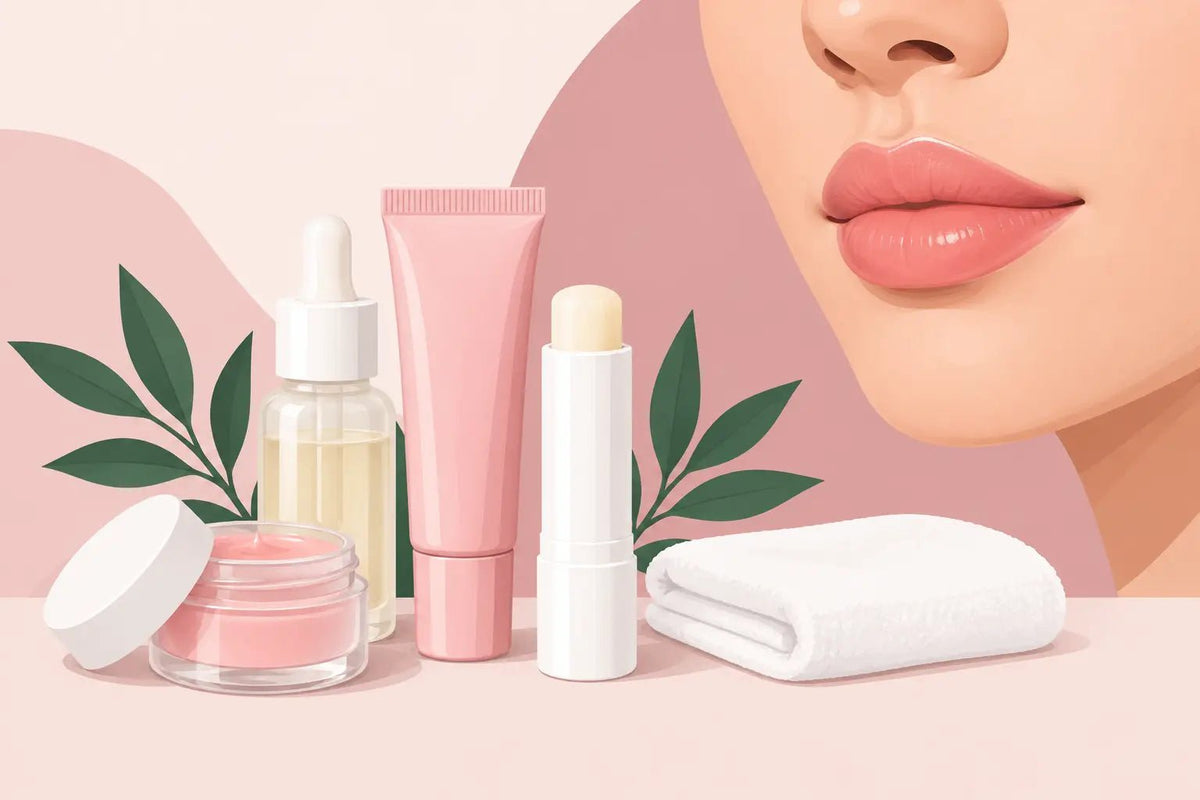
For a working PMU studio, the best approach is to build a focused aftercare offering rather than handing out whatever lip balm is nearby. A professional retail or take-home assortment should cover the client’s immediate healing needs while keeping the protocol consistent across every appointment.
Single-Use or Hygienic Application Options
Freshly tattooed lips should never be paired with a communal pot balm or an applicator that has been used repeatedly without proper handling. Single-use aftercare sachets, tubes, or pump-style packaging make it easier to protect product integrity and explain the routine to clients.
If your chosen aftercare comes in a jar, make the application protocol clear: clients should wash their hands, use a clean disposable applicator, and never double-dip. In practice, tube packaging is usually the easiest option for home care because it reduces the number of decisions a client has to make.
Fragrance-Free, Non-Tinted Healing Balms
A simple, fragrance-free balm designed for post-procedure skin is often the most practical choice. It avoids the common irritants found in cosmetic lip products, including flavoring agents, essential oils, plumping ingredients, and artificial colorants.
Tinted balms are particularly worth avoiding during the initial healing phase. Clients may mistake the cosmetic tint for retained pigment, and removing or reapplying colored product can lead to more rubbing than necessary. Keep the healing routine neutral and let the lip blush color reveal itself naturally over time.
Professional PMU Aftercare Ointments
Aftercare formulas made specifically for permanent makeup are a strong fit for studios that want a treatment-specific solution. These products are typically designed for controlled use on compromised skin and often come with instructions that align with cosmetic tattoo healing protocols.
That said, product selection should always match your technique, pigment system, and training. Some artists prefer a very minimal moisture approach, while others include a light protective ointment after the first stage of healing. Follow the product manufacturer’s guidance, stay within your certification and local regulations, and keep your client instructions consistent from appointment to touch-up.
Protective SPF Lip Products for Healed Results
Sun exposure is a long-term color retention issue, but SPF lip protection belongs after the surface has fully healed, not on freshly tattooed lips unless the product directions and your protocol specifically state otherwise. Once healing is complete, a broad-spectrum SPF lip product can become part of the client’s maintenance routine.
This is a useful retail conversation at the touch-up appointment. A client who invests in lip blush should understand that sun, repeated exfoliation, smoking, certain skincare actives around the mouth, and frequent dryness can all affect how the work ages. Maintenance starts with healing, then becomes part of everyday lip care.
Ingredients and Products to Keep Out of the Healing Kit
Clients often reach for familiar products when their lips feel dry. That is why aftercare education needs to be specific. “Use lip balm” is not enough direction for a fresh cosmetic tattoo.
Advise clients to avoid lip products with menthol, peppermint, cinnamon, camphor, strong fragrance, flavoring, plumping agents, or tingling ingredients. These can feel stimulating on intact lips and uncomfortable on healing tissue. Scrubs, chemical exfoliants, retinoids near the lip line, and masks intended to peel away dry skin should also wait until the area is fully healed.
It is also smart to address makeup. Lipstick, gloss, liner, and tinted treatments can introduce pigment, fragrance, and bacteria before the skin has recovered. Make sure clients know not to pick, peel, or scrub flaking skin, even if the color appears darker, patchier, or more muted than expected during the healing cycle.
Build a Clear Take-Home Routine
The product is only one piece of successful aftercare. Clients need a routine they can follow when they are tired, eating out, traveling, or looking in the mirror on day three and wondering why their lips look different.
Your printed or digital instructions should explain when to begin using the provided product, how often to apply it, and how little product is needed. Use direct language: wash hands first, apply a rice-grain amount if instructed, and do not rub the lips. Avoid vague phrases such as “keep moisturized,” which can lead to heavy application.
You should also cover practical lifestyle considerations. Clients may need to avoid hot, spicy, salty, or acidic foods for the period outlined in your protocol, use a straw when appropriate, and take care while brushing teeth. They should avoid swimming, steam rooms, intense heat exposure, and activities that create excessive sweating during the initial recovery period. Your exact timeline should reflect your training, product directions, and local health requirements.
For artists, this is where a professionally assembled aftercare kit earns its place. A polished kit can include the approved healing product, disposable applicators if needed, concise instructions, and contact guidance for normal healing questions versus concerns that require medical attention. It reinforces that your service extends beyond the appointment chair.
Choose Products That Support Your Studio Standards
The cheapest balm is rarely the best value if it causes confusion, inconsistent client use, or avoidable follow-up messages. Choose aftercare based on ingredient simplicity, packaging hygiene, reliable supply, and ease of client education. If you run a busy studio or train new artists, consistency is especially valuable. Your team should be able to explain the same protocol clearly every time.
Also consider how the product fits your brand experience. A clean, professional aftercare kit signals that you have considered the full client journey, from pre-care through healed results. It gives clients confidence and gives artists a more controlled process to document and refine.
Inkbox Artistry understands that professional supplies need to work within the real PMU workflow, not just look good on a shelf. When sourcing aftercare, prioritize products you would feel confident using in your own protocol and recommending to every client who trusts you with her face.
Aftercare Is Part of the Result
Beautiful lip blush is built through more than needle choice, pigment selection, saturation, and technique. It is protected in the days that follow, when the client is responsible for a healing area that can be sensitive, dry, and easy to overmanage. Give her one clear product, one clear routine, and the confidence to let the healing process do its work.