Kwadron Cartridge Review for PMU Artists
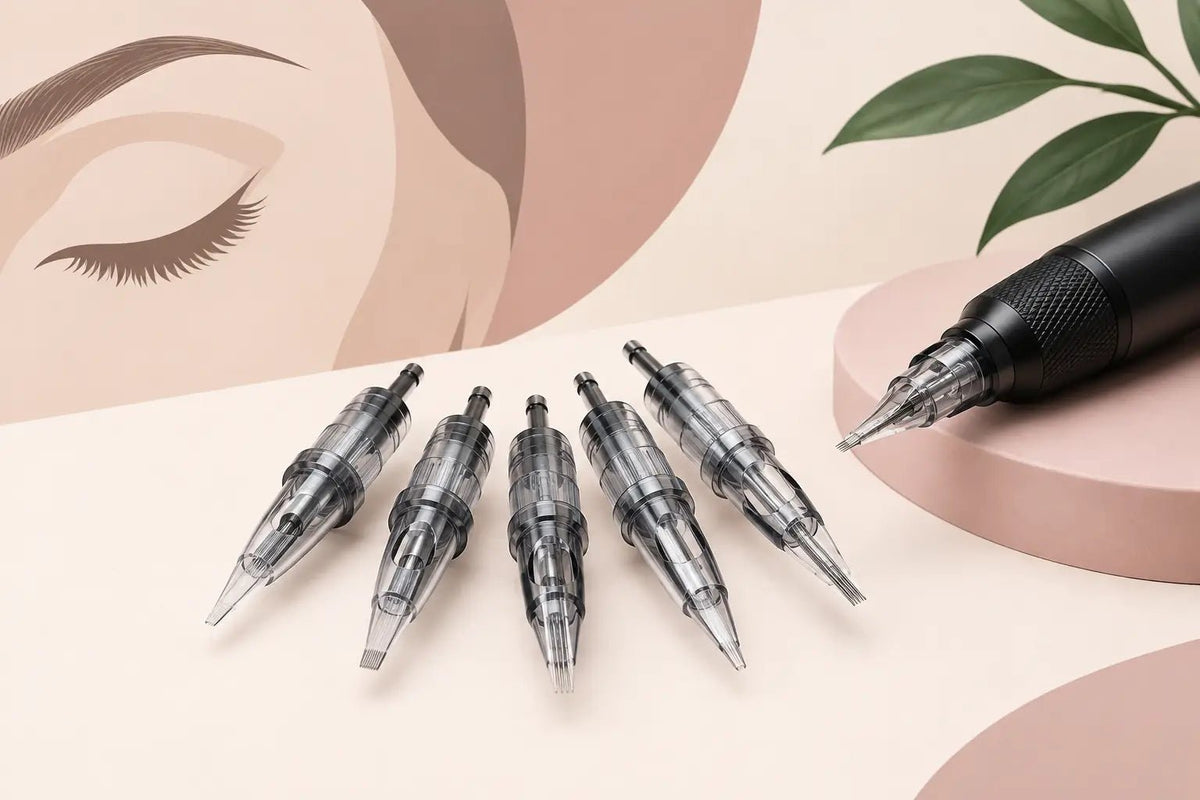
A cartridge can make a technically sound PMU procedure feel controlled or unexpectedly difficult. Needle movement, tip visibility, pigment flow, and membrane reliability all affect how confidently you can build hair strokes, soft-shade a brow, or saturate a lip line. This Kwadron cartridge review looks at what working artists can realistically expect from the brand, where its premium positioning makes sense, and when a different configuration may serve the treatment better.
Kwadron has earned recognition among tattoo and cosmetic tattoo professionals for manufacturing cartridges with a focus on precision and consistent construction. For PMU artists, that reputation matters less as a logo on the box and more in the hand: Does the cartridge track predictably? Does it support clean pigment delivery? Can you rely on the same feel from one appointment to the next?
Kwadron Cartridge Review: What Stands Out
The strongest reason to consider Kwadron cartridges is consistency. High-quality cartridges should not force you to compensate for unwanted needle play, inconsistent tension, or a tip that obscures your working area. Kwadron's cartridge design is generally regarded for stable needle guidance and a controlled feel, particularly when artists need to work with deliberate, light pressure.
That stability is valuable across PMU services, but it is especially noticeable in detail work. Brow artists creating crisp hairstrokes need a cartridge that responds to small hand movements without feeling loose or delayed. Lip artists need predictable contact when moving between outline refinement and pixelated saturation. Even with a capable machine and well-chosen pigment, an unstable cartridge can make a treatment feel less precise than it should.
Kwadron cartridges are also known for their clean, professional presentation and dependable manufacturing standards. Individual sterile packaging, intact seals, and clear configuration labeling should always be part of your pre-service setup. As with any disposable needle cartridge, inspect the packaging before opening, follow your state's sanitation requirements, and discard anything with a compromised seal.
Needle Stability and Skin Feedback
Needle stability does not mean every cartridge will feel stiff. The right amount of movement depends on your machine, needle grouping, hand speed, and the area being treated. What artists tend to value in Kwadron is the controlled feedback: the cartridge feels designed to keep the needle running true rather than wobbling inside the tip.
This can support more consistent implantation depth, but it is not a substitute for technique. A stable cartridge will not correct excessive pressure, overworking, or a machine running too aggressively for delicate facial skin. It does, however, remove one variable from the equation, which matters when your work depends on millimeter-level placement.
For newer artists, the responsive feel can be useful during practice because it makes it easier to identify whether an issue is coming from hand movement, machine settings, pigment viscosity, or the cartridge itself. Experienced artists often appreciate the same thing for a different reason: reliable tools make it easier to maintain a repeatable procedure across a full client schedule.
Membrane Performance and Backflow Control
A quality safety membrane is a non-negotiable feature for cartridge-based PMU systems. Its role is to help reduce the risk of fluids or pigment traveling back into the grip or machine. Kwadron cartridges are designed with membrane technology for this purpose, making them a practical option for artists who prioritize a hygienic disposable workflow.
The membrane also influences the cartridge's running feel. Too much resistance can make a machine feel sluggish. Too little control may create a less stable response. The ideal balance depends on your machine's stroke, voltage range, and your preferred technique, so there is no single setting that works for every artist.
If you are switching to Kwadron from a softer-running cartridge, begin conservatively. Test your usual configuration on practice skin or adjust your speed and voltage incrementally rather than assuming your previous settings will translate exactly. Small changes in cartridge tension can affect how readily pigment enters the skin and how your machine feels through the handpiece.
Choosing the Right Kwadron Configuration
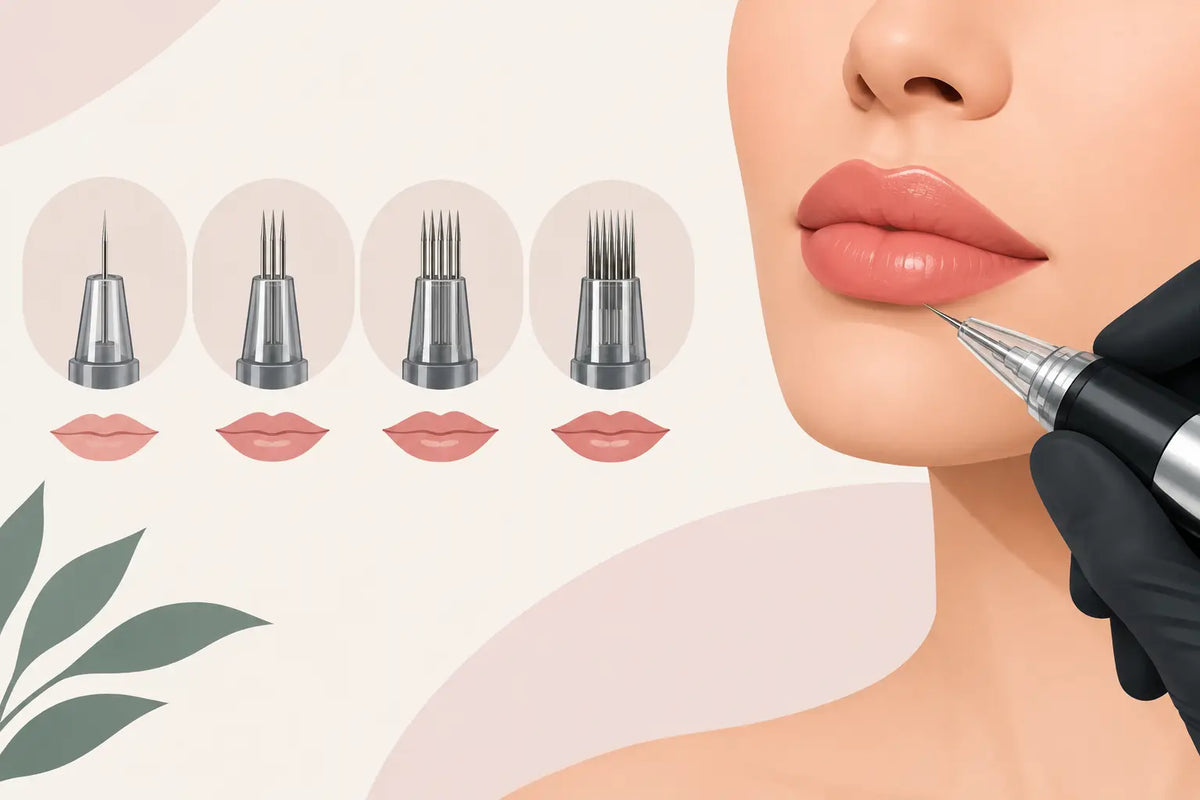
The brand name alone does not determine the outcome. Needle diameter, taper, grouping, and tip style still need to match the procedure and your own technique. A cartridge that performs beautifully for powder brows may be the wrong choice for fine hairstrokes, and a liner that creates a precise lip outline may feel too sharp or concentrated for soft shading.
For hairstroke work, many artists favor fine round liner configurations with a controlled taper and enough visibility to follow the direction of the stroke. The goal is not simply the smallest needle available. Extremely fine groupings can require more exact pressure and may not be the best match for every skin type or every artist's machine setup.
For powder brows and machine shading, round shaders, curved magnums, or soft-shading configurations can offer broader, more diffused pigment placement. The best choice depends on whether you build density through a light pixel pattern, use a pendulum-style movement, or work in layers with multiple passes. Wider groupings can cover more area efficiently, but they demand a lighter, more disciplined touch around the bulb and front of the brow.
Lip blush often calls for versatility. A liner configuration may help refine the vermilion border and cupid's bow, while a shader can support even saturation through the body of the lip. Many artists keep more than one configuration available during a lip appointment rather than trying to make one cartridge perform every task.
When ordering, consider your highest-volume services first. A brow-focused studio may benefit from stocking its most-used liners and shading groupings in depth, while a full-service PMU practice may need a more varied cartridge range. This keeps your inventory purposeful rather than filling drawers with configurations that do not fit your technique.
Where Kwadron May Not Be the Best Fit
Kwadron is a premium choice, and that comes with a practical trade-off: cost per procedure can be higher than lower-priced universal cartridges. For artists who perform several services each week, the difference adds up. The right question is not whether the cartridge is inexpensive, but whether the performance supports your pricing, treatment quality, and client experience.
If you are still developing your technique, a premium cartridge can be helpful, but it should not become a way to avoid fundamental practice. Invest in quality practice materials, learn how your machine responds, and document the configurations that work on different procedures. Technique remains the foundation.
Compatibility is another consideration. Before committing to a larger order, confirm that the cartridge style fits your machine or grip system correctly. Universal cartridge formats are common, but not every setup behaves identically. Test a small quantity with your preferred machine, pigment, and hand speed before standardizing it across your studio or training kit.
Artists who prefer an exceptionally soft, low-resistance feel may also need an adjustment period. Kwadron's controlled construction can feel different from more flexible or budget-oriented alternatives. That is not necessarily a disadvantage, but it is a reason to test rather than assume.
Is Kwadron Worth It for Daily PMU Work?
For artists who value predictable handling, clean needle guidance, and a cartridge system built for professional use, Kwadron is a strong option. It is particularly well suited to technicians who want a more consistent feel across repeat treatments and who understand how cartridge selection affects their machine performance.
The value becomes clearer when you look beyond the individual unit price. A cartridge that supports better visibility, controlled movement, and a hygienic setup can improve workflow during a busy day. That does not mean every artist needs the most premium option for every service. It means your disposable tools should be selected with the same intention you apply to pigments, machines, mapping, and aftercare.
At Inkbox Artistry, we recommend building your cartridge selection around the services you perform most, then testing premium options like Kwadron with your exact machine and technique. Keep notes on voltage, skin response, pigment flow, and healed results. The cartridge that feels best in a quick test is useful, but the one that delivers repeatable work from consultation through healed outcome is the one worth keeping in your core setup.