Choosing Anesthetics for Cosmetic Tattooing
A client can love a brow shape, lip color, or eyeliner design and still remember the appointment for one reason: discomfort. Anesthetics for cosmetic tattooing are not an afterthought in a professional setup. They are part of the treatment plan, affecting client experience, skin behavior, artist control, and the pace of the service.
The right product is never simply the strongest option on the shelf. PMU artists need an anesthetic strategy that respects treatment area, skin integrity, manufacturer directions, applicable state regulations, and the individual client’s health history. Comfort matters, but predictable skin response and safe practice matter just as much.
How anesthetics for cosmetic tattooing fit the workflow
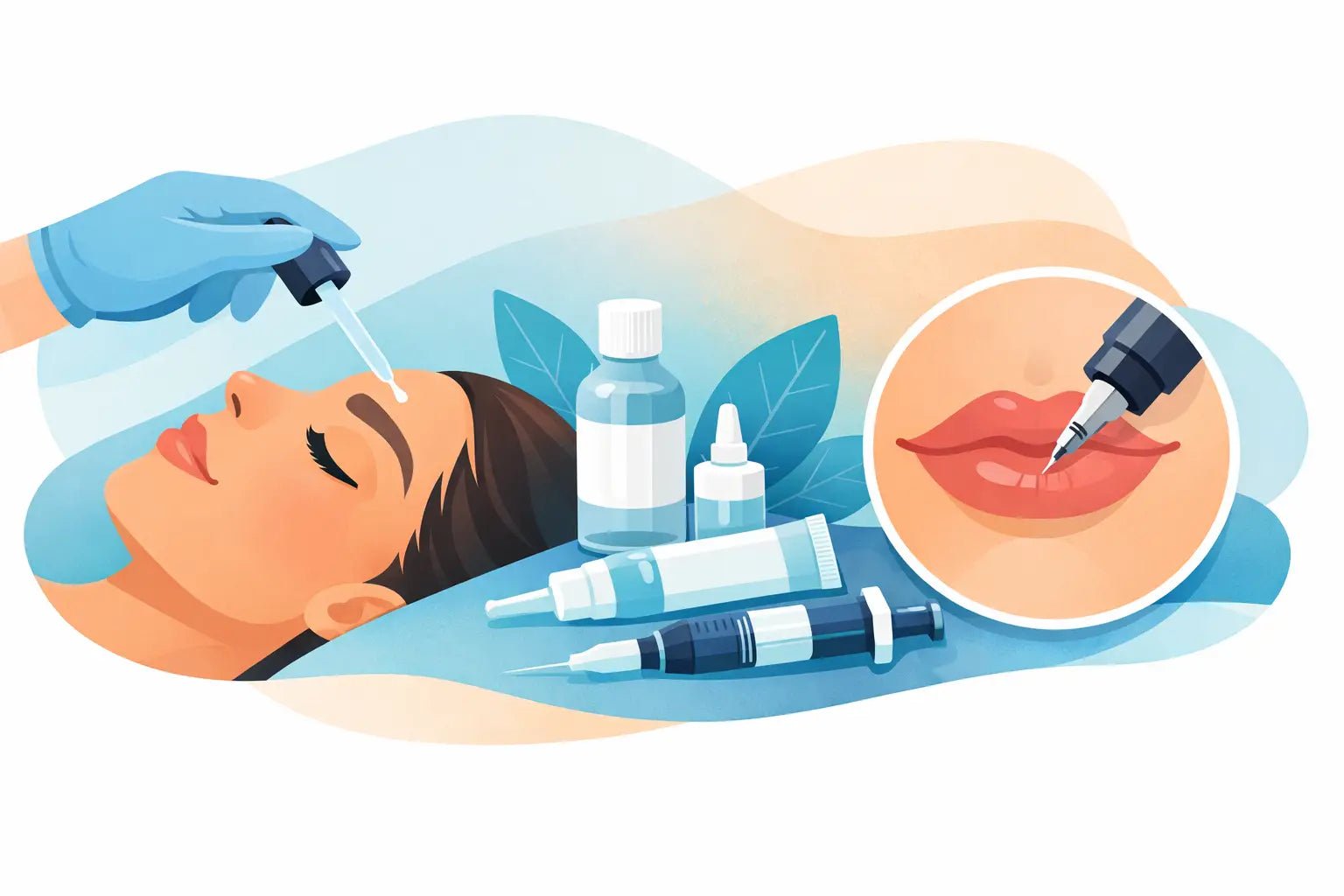
Topical anesthetics used in PMU generally fall into two working moments: pre-procedure products used on intact skin and secondary products used only after the skin has been opened, when permitted by the product directions and local rules. They are not interchangeable.
A pre-procedure anesthetic is designed to support comfort before the first pass. It is commonly used after cleansing and before mapping is finalized or immediately before the procedure, depending on the artist’s protocol. Because it is applied to unbroken skin, contact time and proper removal are central to its performance. Rushing this step can leave the artist with inconsistent numbing and a client who becomes uncomfortable early in the service.
Secondary anesthetics are intended for use during a procedure after the skin barrier has been compromised. These formulas may work more quickly, but that does not make them appropriate for every area, every client, or every stage of the treatment. Follow the label exactly, particularly around use near the eyes and mucous membranes. A product’s intended treatment area matters more than a broad claim that it is suitable for tattooing.
For brows, artists often need enough comfort to maintain stillness without creating unnecessary skin stress. For lip blush, where sensitivity and swelling can be more pronounced, timing and careful observation become even more critical. Eyeliner procedures demand the tightest product discipline because of the proximity to the eye. Do not treat facial zones as if they carry the same risk profile.
Choose for the treatment, not the marketing claim
Professional anesthetic selection starts with the formula, intended use, and documentation. Lidocaine is a familiar topical anesthetic ingredient, while some products also contain ingredients such as tetracaine, benzocaine, or vasoconstrictors. The ingredient list alone does not tell the whole story. Concentration, vehicle, pH, application directions, and the client’s sensitivity can all change how a product performs.
A thicker cream may stay in place effectively during a pre-numbing period, while a gel or liquid may be better suited to the specific instructions for a secondary product. Artists should also consider whether a formula leaves residue that affects pigment implantation, makes the skin overly slick, or interferes with clear visibility of the treatment area.
There is a real trade-off here. Aggressive numbing is not automatically better numbing. Overapplication, extended contact time, or repeated application beyond directions can create unpredictable skin response, complicate assessment of discomfort, and work against a controlled procedure. The goal is not to remove every sensation at any cost. The goal is to support a calm, manageable appointment while preserving professional judgment.
When building a treatment cart, prioritize products that provide clear manufacturer instructions, batch and expiration information, appropriate packaging, and a reliable reputation within the professional PMU community. Avoid decanting products into unmarked containers. If a product cannot be identified, dated, and traced, it does not belong in a client service.
Client screening is part of comfort care
An anesthetic should never be introduced without a thorough consultation and signed consent process. Ask clients about known allergies or prior reactions to topical anesthetics, dental anesthetics, adhesives, latex, skincare ingredients, and previous PMU or tattoo procedures. A previous reaction does not automatically identify the cause, but it is a reason to pause and seek appropriate medical guidance rather than make assumptions chairside.
Clients should also disclose medications, active skin conditions, pregnancy or nursing status, recent cosmetic procedures, and relevant medical history. Artists are not diagnosing or prescribing. Their role is to identify when a treatment should be postponed, declined, or cleared through the client’s licensed healthcare provider.
Be especially cautious with compromised skin. Sunburn, rashes, active acne in the treatment area, dermatitis flares, cold sores around the mouth, and irritation from recent exfoliation can change both the procedure and anesthetic suitability. For lip services, clients with a history of cold sores should be directed to discuss prevention planning with their medical provider before booking. Applying more topical product is not a solution for a client who is not ready for treatment.
A professional consent form should cover the possibility of discomfort, swelling, redness, sensitivity, and adverse reactions. It should also document what product was used, including the brand, lot number when available, application timing, and any observed response. This supports consistent studio records and gives you meaningful information for future appointments.
Application discipline protects the result
Good anesthetic performance is often less about finding a new formula and more about executing the existing protocol correctly. Begin with clean, prepared skin. Use single-use applicators, dispense only what is needed for that client, and avoid contaminating the original container. Respect the product’s stated contact time and removal instructions.
Before beginning pigment implantation, thoroughly remove any product residue as directed. Residue can interfere with your grip on the skin, alter how the surface reads under lighting, and make it harder to judge whether pigment is implanting consistently. The treatment area should feel controlled, not slippery or overworked.
During the service, reassess rather than automatically reapply. A client’s comfort may change because of pressure, technique, tissue condition, hydration, anxiety, or the sensitivity of a particular zone. Sometimes the better adjustment is a brief pause, clearer communication, a lighter hand, or a change in working rhythm. Anesthetic is one tool in the workflow, not a substitute for refined technique.
If a client reports burning, unusual itching, dizziness, difficulty breathing, facial swelling, or any concerning symptom, stop the procedure immediately and follow your studio’s emergency response protocol. Do not attempt to manage a suspected serious reaction by adding or removing more products. Timely escalation matters.
Keep anesthetic products inside your hygiene system
Anesthetics belong in the same infection-control conversation as cartridges, pigment caps, gloves, barriers, and aftercare. Store products according to manufacturer requirements, check expiration dates routinely, and inspect packaging before each use. Heat exposure, damaged seals, and unclear labeling are reasons to remove an item from service.
Set up your station so the anesthetic can be accessed without crossing clean and contaminated zones. Use barrier protection where appropriate, change gloves whenever contamination occurs, and never return leftover product to its original container. These details may feel routine, but they are exactly what clients and inspectors expect from a professional PMU environment.
For trainers and studio owners, anesthetic protocols deserve a written place in staff education. New artists should understand the difference between product knowledge and medical advice, when to stop a service, and how to document what happened. Consistency protects the client, the artist, and the reputation of the business.
Build a smarter PMU supply standard
Your anesthetic category should be curated with the same intention as your pigments and needle cartridges. Keep products organized by intended use, maintain a clear inventory rotation, and train every artist on the exact procedure for each formula stocked in the studio. When a product changes, revisit the directions instead of relying on habits from a previous brand.
At Inkbox Artistry, we believe professional supply choices should make treatment days more efficient without compromising the details that clients trust. Choose anesthetics that fit your services, verify every instruction, and let disciplined application support the calm, polished experience your work deserves.