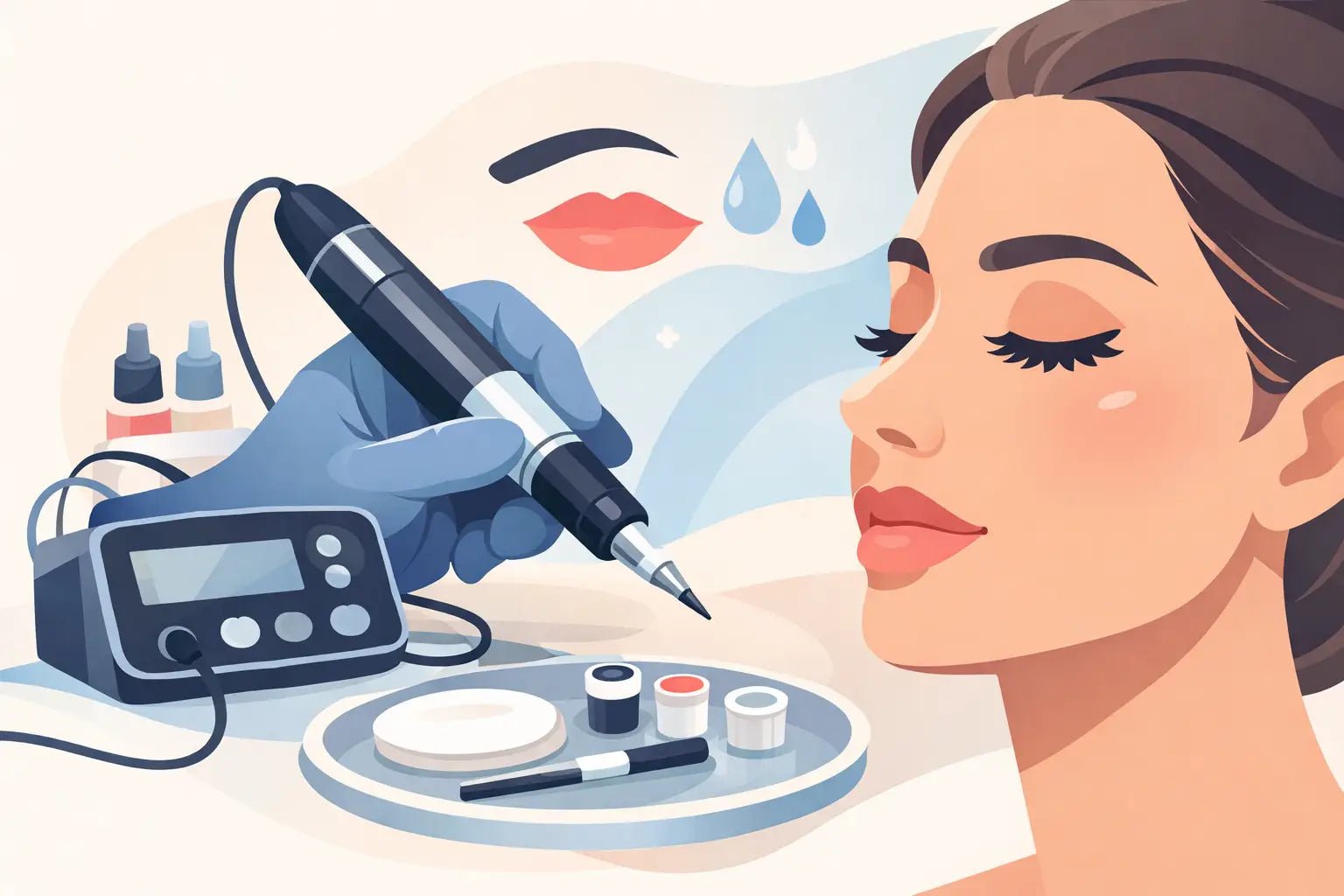
How to Choose the Best Permanent Makeup Machine
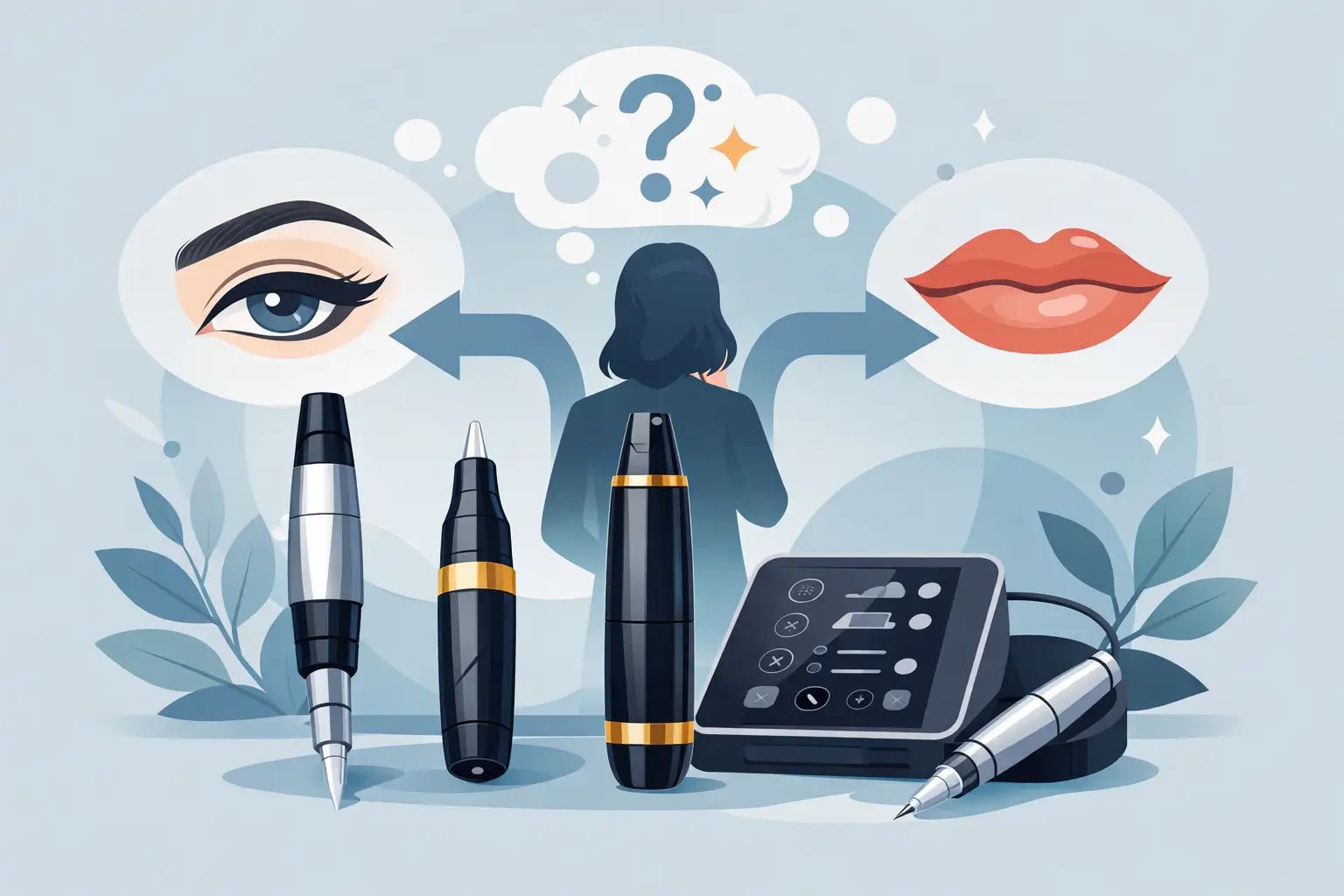
A machine can look impressive on a product page and still feel completely wrong by the third client of the day. In PMU, the best permanent makeup machine is not the one with the most hype or the newest release. It is the one that gives you clean implantation, predictable control, solid ergonomics, and dependable performance across the services you actually offer.
That distinction matters more than ever because artists are no longer buying for one treatment menu. Many PMU professionals want one setup that can move from pixel brows to lip blush, handle detail work around the tails, stay stable through eyeliner, and still feel balanced in hand after hours of use. The right machine supports your technique. The wrong one forces you to work around it.
What makes the best permanent makeup machine?
For working artists, machine quality comes down to performance under real service conditions. You are evaluating more than aesthetics, battery life claims, or brand name recognition. You are looking at how the motor delivers power, how consistent the hit feels, whether the handpiece stays comfortable, and how well the machine pairs with the cartridge systems you trust.
The first filter is treatment compatibility. A machine that feels excellent for brows may not be your favorite for saturated lip work, and a setup that handles soft shading beautifully may not offer the same confidence for precise liner. That does not mean a versatile machine cannot cover multiple services. It means you need to be honest about your core revenue services before deciding what “best” actually means for your station.
Stroke length is one of the biggest variables. Shorter stroke options often appeal to artists who want soft, controlled implantation for delicate cosmetic tattooing. Longer stroke machines can deliver more punch, which some artists prefer for certain techniques or skin types, but they can also feel less forgiving if your hand pressure is already on the stronger side. There is no universal winner here. It depends on your speed, depth control, and treatment style.
Motor consistency is another major factor. In PMU, small fluctuations matter. If your machine bogs down under normal working pressure or feels inconsistent from one pass to the next, your implantation becomes less predictable. That affects healed results, treatment time, and client comfort. A machine does not need to be aggressive to be effective, but it does need to stay stable.
The best permanent makeup machine for your style, not someone else’s
Artists often shop by recommendation, and recommendations do matter. Still, the best permanent makeup machine for a brow artist doing airy machine shading all day may not be the best fit for a trainer who needs one device to demonstrate multiple techniques to different student levels.
If your menu leans heavily into brows, you may prioritize a lighter handpiece, a softer hit, and excellent low-voltage control. If lips are a significant part of your schedule, you may care more about sustained power, smooth saturation, and battery reliability through longer appointments. If eyeliner is a key service, precision, visibility, and machine balance become even more important.
Experience level changes the equation too. Newer artists often benefit from machines that feel stable, intuitive, and forgiving rather than overly powerful. A highly technical machine with a narrower performance window can be excellent in skilled hands, but that does not automatically make it the smartest first investment. More experienced artists may be willing to trade some simplicity for adjustability, specialized performance, or a preferred hand feel.
This is also where wireless versus wired becomes a real business decision instead of a trend decision. Wireless machines can clean up your setup, improve mobility, and simplify movement around the bed. For many PMU artists, that convenience is worth it. But battery distribution changes the balance of the handpiece, and not every artist likes that shift. Wired setups still appeal to professionals who want minimal weight in hand and uninterrupted power during full books.
Features worth paying for and features that are mostly noise
Some machine features directly affect results. Others mostly affect how a product is merchandised.
Adjustable voltage matters because different procedures, skin conditions, and needle groupings call for different responses from the machine. A good voltage range gives you room to fine-tune without making the device feel overly complicated. Smooth, consistent output matters more than exaggerated top-end numbers.
Weight and grip diameter matter because fatigue changes your hand. If a machine feels slightly too heavy during a quick test, it will usually feel much heavier during a packed week. Artists doing intricate brow work or detail-based corrections tend to notice this quickly. A balanced machine helps preserve precision over time.
Needle cartridge compatibility is also a practical concern that should not be treated as an afterthought. A machine may perform well on paper, but if it does not pair cleanly with the universal cartridges you rely on, that creates friction in your workflow. PMU artists need dependable fit, membrane quality, and stable needle behavior. Machine and cartridge performance are connected.
Build quality deserves close attention. Cosmetic tattooing is precision work, and your tools should reflect that. Cheap threading, inconsistent buttons, awkward charging ports, and poor battery connections show up fast in a professional environment. Reliability is not glamorous, but it is one of the clearest markers of value.
On the other hand, not every artist needs the newest machine just because it is new. Product launches create momentum, but performance history still matters. Machines with a strong reputation among working PMU artists often earn it through consistency, not novelty.
How to evaluate a PMU machine before you buy
Start with your actual treatment mix. If 70 percent of your revenue comes from brows, the best machine is the one that helps you produce your strongest brow results consistently. If you are expanding into lips or liner, then versatility becomes more important. Buying around your real book of business is usually smarter than buying around your aspirational service menu.
Next, look at ergonomics. Hand fatigue is not just a comfort issue. It affects line quality, depth consistency, and session efficiency. Artists who work long days should be especially selective about handpiece balance, grip shape, and battery placement.
Then consider support products. Your machine does not work in isolation. Pigment behavior, cartridge quality, skin prep, topical comfort products, and aftercare all influence the final result. A high-performing machine still needs the right surrounding setup to deliver consistently healed work. This is one reason many artists prefer sourcing from PMU-focused suppliers rather than general beauty retailers. At Inkbox Artistry, that category depth matters because artists are building complete, treatment-ready systems, not just buying a handpiece.
Finally, think in terms of cost per use rather than upfront price alone. A cheaper machine that underperforms, slows services, or needs replacement sooner is rarely the better value. A premium machine earns its place when it helps you work faster, more comfortably, and more consistently across hundreds of appointments.
Common mistakes artists make when shopping for the best permanent makeup machine
One common mistake is buying based on social proof without matching the machine to your own technique. A machine can be excellent and still be wrong for the way you work. Another is focusing too heavily on aesthetics or branding while overlooking motor stability and cartridge compatibility.
Artists also sometimes underestimate how much wireless weight distribution affects comfort. A machine may look sleek and modern, but if the balance point sits awkwardly in your hand, your precision can suffer. Testing or researching real user feedback on feel is worth your time.
Another issue is trying to force one machine to excel equally at every service. Some devices are highly versatile, but every machine has strengths. If you are a multi-service artist, it is better to understand those strengths clearly than to expect perfect performance in every category with no trade-offs.
What serious PMU artists should prioritize
If you want a machine that holds up in a professional setting, prioritize consistency, ergonomics, cartridge compatibility, and treatment-specific performance. Look for a machine that supports your speed and pressure rather than forcing you to compensate. Respect the fact that what feels amazing for one artist may feel off for another.
The best permanent makeup machine is usually the one that disappears in your hand. It responds the way you expect, stays stable through different services, and lets your technique lead. That is what professionals should be paying for - not noise, not hype, and not a spec sheet that sounds impressive but does not translate into better work.
When your machine matches your method, everything downstream gets easier. Your setup feels more efficient, your services feel more controlled, and your healed results become easier to repeat. That kind of confidence is worth building your kit around.