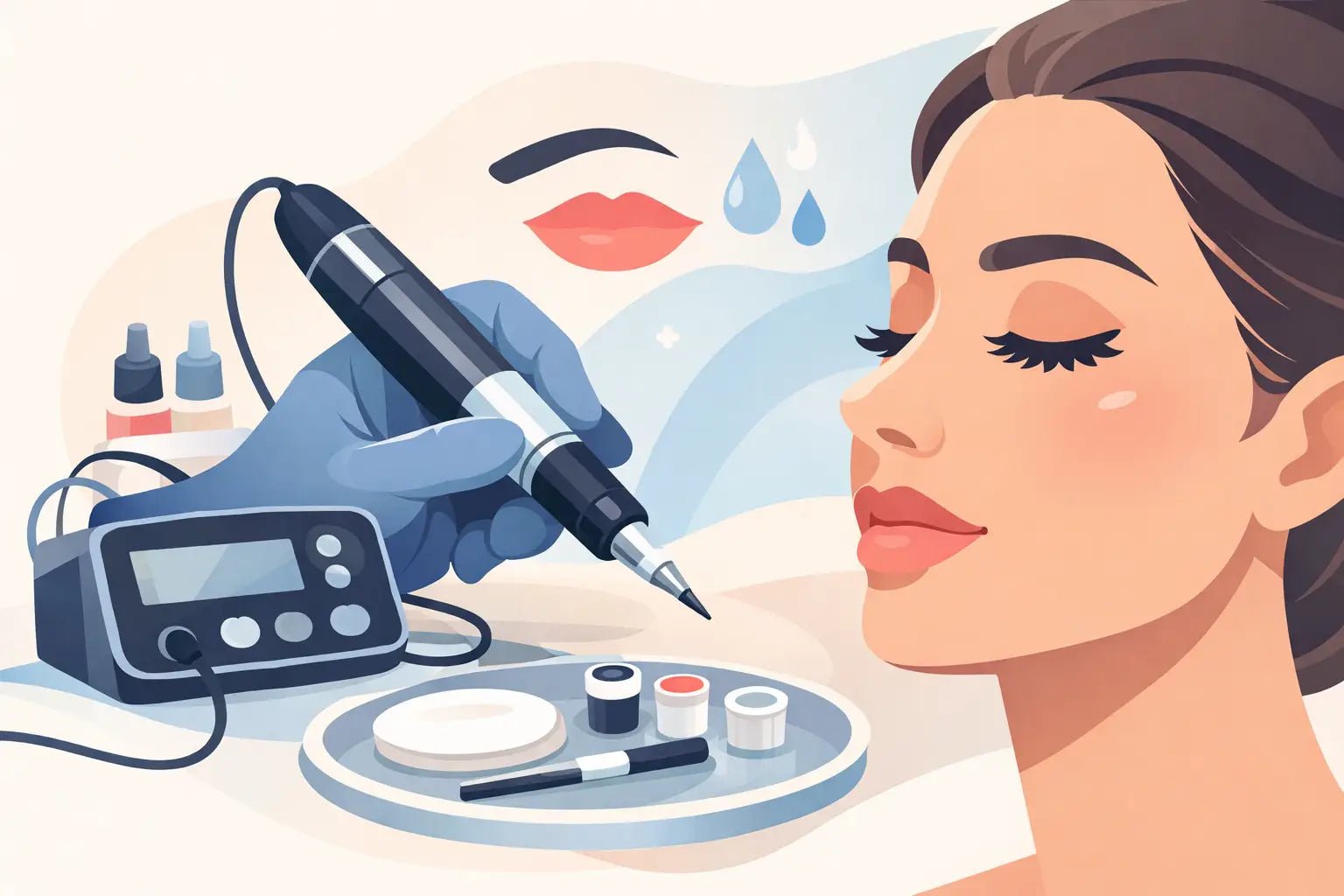
Best Permanent Makeup Kit for Pro Artists
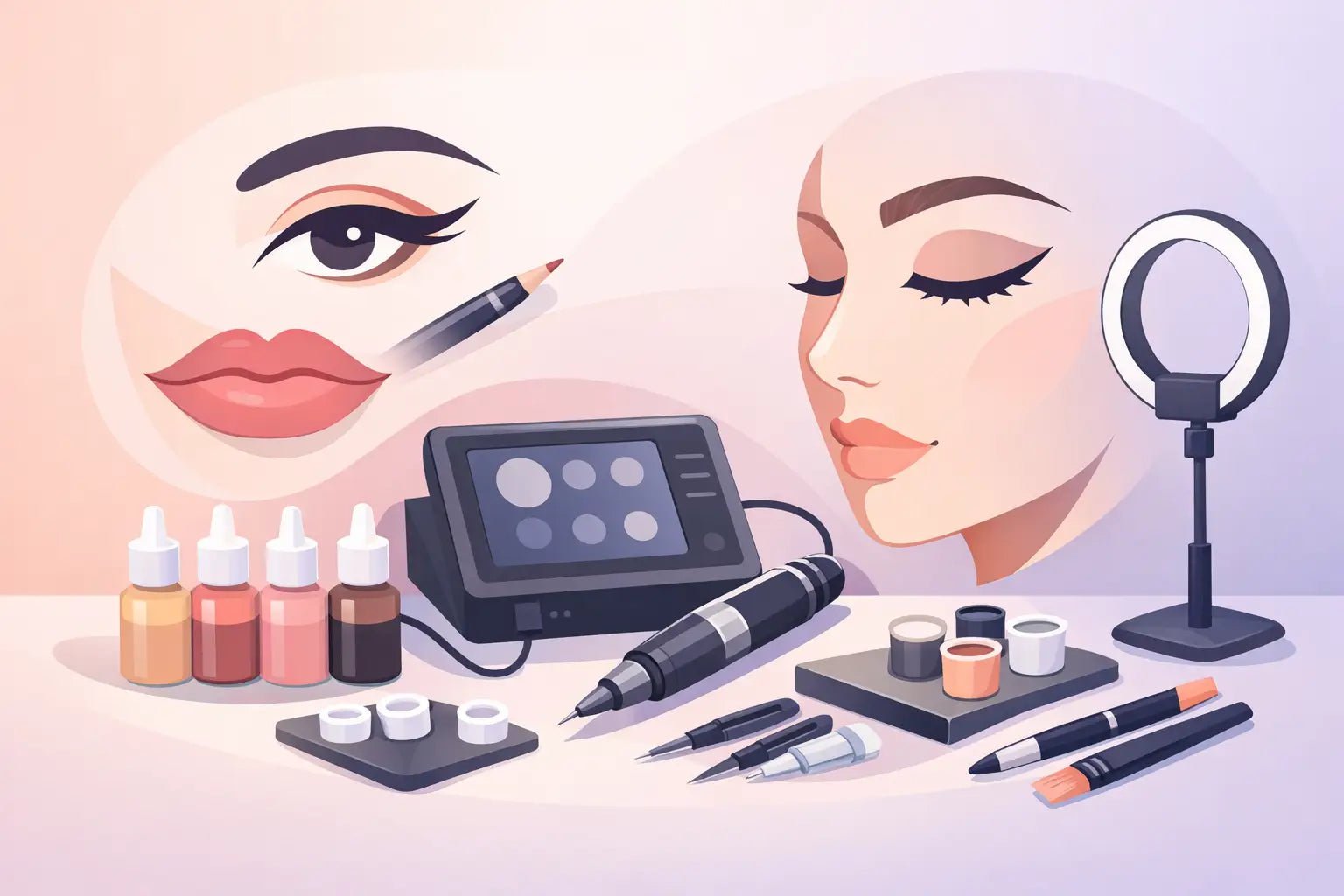
A permanent makeup kit can look complete on paper and still fail you the moment you're setting up for a full brow or lip day. The best permanent makeup kit is not the one with the longest product list. It's the one built around clean workflow, reliable machine performance, consistent pigment behavior, and disposables you trust on every client.
For PMU artists, that distinction matters. A starter bundle with filler items may save money upfront, but if the machine lacks stability, the cartridges are inconsistent, or the pigment range is too limited for real client variation, you end up rebuilding the kit piece by piece. That's why choosing a kit should start with treatment needs and daily performance, not packaging.
What makes the best permanent makeup kit?
At the professional level, a kit should support the full service flow. That means pre-draw, mapping, implantation, comfort management, sanitation, and aftercare are all accounted for. If one area is weak, the rest of the setup suffers.
Machine quality usually decides whether a kit is worth considering. For brows, lips, and other cosmetic tattoo services, artists need a machine with stable power delivery, low vibration, and predictable hit. Wireless options are especially useful for artists who want a cleaner station setup and more freedom in positioning, but only if battery life and weight distribution hold up through multiple appointments.
Pigments are the next major filter. A kit may include several bottles, but that does not automatically make it versatile. The better test is whether the shades are usable across undertones, whether the line has a strong reputation for healed results, and whether the pigment behavior matches the services you actually perform. Artists working heavily in brows may prioritize a line with dependable healed color and easy shade modification, while lip artists may care more about vibrancy, warmth balance, and retention.
Cartridge compatibility also matters more than many newer artists realize. A machine is only as practical as the needle options you can run confidently. Universal cartridge compatibility gives you more flexibility, especially if you prefer specific configurations from trusted manufacturers. When a kit locks you into limited or lower-performing options, efficiency drops fast.
Best permanent makeup kit components to look for
A strong PMU kit is usually built around a few non-negotiables rather than a huge assortment. You want a professional machine, a focused pigment selection, dependable cartridges, mapping tools, hygiene essentials, and practice support if you're still developing technique.
Machine and power setup
The machine should match your service mix. If you mainly perform powder brows and lip blush, look for a versatile rotary machine known for controlled saturation and smooth hand speed. If you teach or work long studio days, ergonomics matter just as much as stroke feel. A machine that performs well for one service but causes hand fatigue by the third client is not helping your business.
Wireless setups are popular for good reason. They reduce cord drag, simplify barrier wrapping, and keep the workstation cleaner. Still, not every artist prefers them. Some technicians want the consistency of a traditional power supply, especially if they already have a setup dialed in. The best kit is the one that fits your workflow, not the trend.
Pigments that earn their place
A usable pigment set should cover your most common client cases without forcing too much on-the-fly correction. That usually means a balanced brow range, optional modifiers, and shades selected for actual treatment demand rather than variety for its own sake.
Professional artists tend to lean toward established PMU pigment brands because healed outcomes matter more than swatch appeal. Names like Perma Blend, Tina Davies, Brow Daddy, and Mara Pro carry weight because artists have seen how those formulas perform in real skin over time. If a kit includes pigments from recognized lines with a clear role in your service menu, that's a meaningful advantage.
Cartridges and precision tools
The cartridge selection inside a kit tells you a lot about who it was built for. A random assortment may look generous, but artists need usable groupings for specific techniques. For example, a brow-focused kit should include configurations that support clean pixel work or soft shading, while a lip-focused kit should reflect the movement patterns and saturation goals of that service.
Quality control matters here. Poor cartridge consistency affects implantation, line control, and client comfort. This is why many professionals stick with known cartridge brands like Kwadron instead of treating needles as a generic accessory.
Mapping, prep, and station support
A complete PMU kit should also support the design phase, not just the tattooing phase. Brow mapping rulers, mapping string, skin-safe marking tools, anesthetic support where permitted, barrier film, machine bags, gloves, bibs, and surface protection all deserve a place in the decision.
This is where many budget kits fall apart. They may include a machine and pigment, but skip the products that actually keep appointments organized, sanitary, and efficient. For working artists, those are not extras. They are basic operating tools.
Starter kit or custom build?
It depends on where you are in your career.
For newer artists, a curated starter kit can make sense if it removes guesswork and includes professional-grade core items. The key is making sure the kit was assembled by people who understand PMU workflow, not by a general beauty distributor grouping products by price point. A starter kit should teach good habits through its contents. That means practical pigment choices, proper hygiene supplies, and machine compatibility that won't limit you as your technique improves.
For experienced artists, a custom build is often the better move. Once you know your preferred handpiece weight, needle taper, pigment families, and setup style, prebuilt kits can feel restrictive. Most established technicians are better served by choosing each category intentionally and building around the treatments they perform most.
There is also a middle ground. Some artists want a partial kit built around a machine platform or pigment family, then add their preferred cartridges, mapping supplies, and aftercare products. That approach often delivers the best balance of convenience and control.
Red flags when comparing kits
If a kit leads with item count instead of brand quality or technical specs, be careful. More pieces do not equal more value. PMU artists need fewer products that perform well, not drawers full of backups they never touch.
Be wary of kits with vague machine information. If stroke details, compatibility, battery specs, or intended use are unclear, that is usually a sign the machine is being sold as an accessory rather than the centerpiece it should be. The same goes for pigments with limited shade information or no clear professional reputation.
Another issue is overstuffed kits aimed at every treatment category at once. Brows, lips, eyeliner, and scalp each have different needs. A kit trying to cover all of them may end up being only partially useful for each. Focus wins here. A brow artist does not need a little of everything. They need the right setup for brow services done well.
How to choose the right kit for your studio
Start with your booking reality. If most of your income comes from powder brows, choose a kit centered on brow pigments, mapping tools, and cartridge configurations that support pixel saturation and softness. If your menu is shifting toward lip blush, put more weight on pigment warmth options, machine smoothness, and cartridges suited to controlled color packing.
Then think about scale. Solo artists may value portability and a compact wireless setup. Studio owners and trainers may need broader stock depth, easier replenishment, and brands that students can continue using after certification. Consistency across your supply chain matters when you're training others or managing multiple treatment rooms.
This is also where supplier quality comes into play. Buying from a PMU-focused source matters because product curation tends to be tighter, and the assortment reflects what artists actually use in treatment rooms. Inkbox Artistry is positioned well for that reason - the selection speaks to professionals who need brand credibility, category depth, and supplies that make sense together.
The best permanent makeup kit is the one you can grow with
A good kit should serve your current service menu, but a great one should still make sense six months from now. That means reliable machine performance, pigment lines you can expand within, cartridges you already trust, and a setup that supports clean, efficient appointments as your books fill up.
Artists do not build reputation from having the biggest kit. They build it from healed results, smooth procedures, and consistency across every client. Choose the products that help you work that way, and your kit stops being a purchase decision and starts becoming part of your standard.