Brow Daddy Pigment Review for PMU Artists
A brow pigment can look perfect in the cup and still become the reason a client returns disappointed six weeks later. That is why a serious Brow Daddy pigment review has to go beyond first-pass saturation or a fresh treatment photo. For working PMU artists, the real questions are how the pigment behaves in the skin, whether its undertone supports the client’s natural coloring, and how reliably it fits into an established technique.
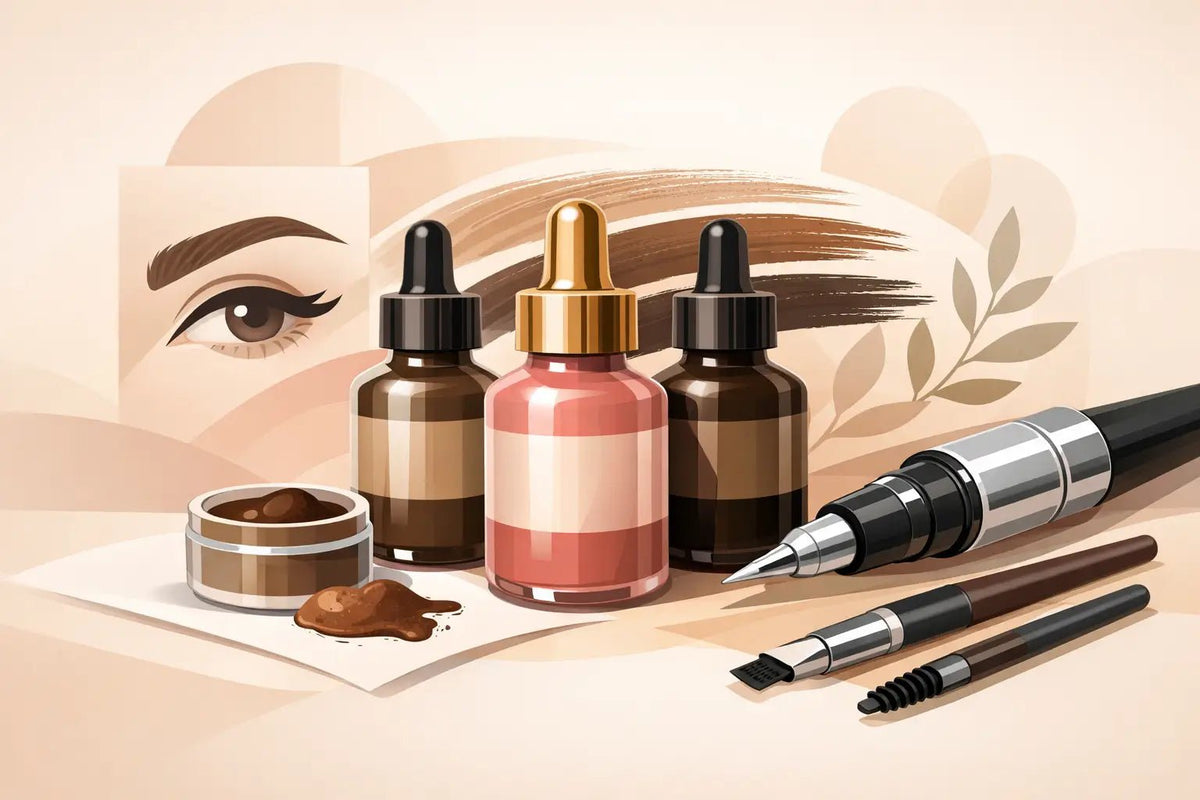
Brow Daddy has earned attention among artists for pigment collections built around practical brow work rather than vague, one-size-fits-all shade names. The line offers recognizable color families and options intended to help artists create soft, believable healed results across a range of Fitzpatrick types. It is a professional system, but it is not a substitute for color theory, skin analysis, or strong implantation control.
What Stands Out in This Brow Daddy Pigment Review
The main appeal is color organization. Brow Daddy pigments are commonly selected by artists who want clearer starting points for warm, neutral, and cooler client profiles without having to build every shade from a broad primary-color inventory. That can make consultation-to-procedure decisions faster, especially in a busy studio or classroom setting.
Consistency matters just as much as the swatch. A pigment that moves predictably through the needle and settles evenly can support cleaner pixel placement in machine shading and controlled strokes where the technique and skin are appropriate. Artists often look for enough body to implant efficiently without creating a heavy, overworked appearance. The exact result still depends on needle configuration, voltage, hand speed, depth, skin density, and how much pressure is used during each pass.
The brand is also widely recognized in the brow category, which can be useful for artists building client confidence. Familiarity is not a technical advantage on its own, but it does mean more educators and experienced technicians have worked with the range. That creates a more established professional reference point when you are comparing healed work, discussing formulas with a mentor, or standardizing a studio setup.
Color Selection Is the Real Performance Test
No pigment line performs identically on every client. Brow Daddy pigments should be chosen with the client’s natural brow hair, skin tone, undertone, sun exposure, skincare habits, and previous tattoo history in view. A shade that heals beautifully on dry, balanced skin may require a different approach on oily, thick, mature, or highly vascular skin.
Start with the client’s visual temperature, but do not stop there. Surface redness can make a client appear cooler than their actual undertone. Dehydrated skin can distort how a fresh implant reads. Existing faded pigment can pull a new shade in an unexpected direction, particularly where old work has healed cool, gray, red, or orange. In correction work, the desired final brow color is only part of the equation. You must first assess the residual color in the skin and determine whether correction is realistic.
For clients with warm or golden complexions, artists may gravitate toward shades that retain enough balance to avoid an overly red healed result. On cooler complexions, a warmer choice is not automatically wrong, but it needs to be deliberate and supported by the client’s skin behavior. Neutral does not mean universally safe, either. The term describes a starting balance, not a guarantee of a perfect healed outcome.
Fresh Color Is Not Healed Color
A fresh brow procedure is a poor final-color predictor. Swelling, pinpoint bleeding, lymph, oxidation, skin redness, and the temporary darkness of a new implant all change the visual read. This is where disciplined photo documentation becomes more valuable than relying on memory.
Track your healed results by pigment shade, skin type, technique, needle grouping, and client aftercare compliance. Over time, your own records will show which Brow Daddy shades best support your hand, machine setup, and local clientele. Brand charts and educator guidance are useful, but a studio-specific healed portfolio is what turns a pigment range into a dependable working system.
Where Brow Daddy Pigments May Fit Best
This line can be a strong choice for artists who want a professional brow-focused assortment with enough variety to serve common client profiles while keeping their tray organized. It can suit powder brows, ombré brows, and machine hair-stroke methods when the artist selects the pigment and technique based on skin suitability.
It may be particularly practical for newer artists who have completed proper fundamental training and need a more structured approach to building a brow palette. Rather than purchasing a large number of disconnected shades, they can learn a smaller collection thoroughly, document their healed work, and expand based on real demand.
Experienced artists may appreciate it for a different reason: efficiency. When you already understand how your preferred pigments heal, repeatable shade selection can reduce treatment-day guesswork. That is valuable when managing a full book, multiple artists, or a training environment where consistency needs to be taught and monitored.
There are trade-offs. Artists who prefer to custom-mix nearly every procedure may want a broader range of modifiers or may continue pairing their core brow shades with other professional pigment systems. Likewise, clients with substantial old tattooing, strong discoloration, or scar tissue should not be treated as standard new-brow cases simply because a flattering shade exists in the bottle.
Technique, Skin, and Setup Still Matter
Pigment cannot compensate for poor saturation technique or repeated trauma to the skin. If retention is weak, troubleshoot the full procedure before blaming the formula. Confirm your needle choice, cartridge quality, machine settings, stretch, implantation depth, skin preparation, and aftercare instructions.
For soft powder work, a consistent machine rhythm and light, controlled layering generally matter more than forcing a darker implant in one pass. For hairstrokes, assess whether the skin can realistically support crisp healed strokes before committing to the service. On oily or textured skin, machine shading may provide a more stable long-term visual result than ultra-fine strokes, regardless of the pigment brand selected.
Sanitation and handling are non-negotiable. Use single-use pigment cups, follow your local regulations and manufacturer instructions, avoid cross-contamination, and record lot numbers in every client file. A professional pigment choice includes traceability, not just a beautiful swatch.
Questions to Ask Before Adding It to Your Kit
Before committing to any pigment collection, ask whether the shade range matches the clients you actually treat. Consider whether the bottles, color names, and available education make sense for your workflow. Then look at healed examples from artists whose technique, client base, and photographic standards resemble your own.
It is also smart to avoid changing multiple variables at once. If you are trialing Brow Daddy pigments, keep your usual machine, needle groupings, and aftercare protocol where possible. That gives you a clearer read on pigment behavior instead of creating a test where every part of the procedure has changed.
Is Brow Daddy Worth It for Your Studio?
For many PMU professionals, Brow Daddy is worth considering as a focused brow pigment system with recognizable professional positioning, useful shade families, and a workflow that can support more confident selection. Its value is highest when the artist treats it as part of a complete color-management process, not as a shortcut around training.
A curated supplier such as Inkbox Artistry can help streamline the practical side of building that setup, from pigments and cartridges to mapping supplies and single-use essentials. Still, the best purchase is the one that aligns with your treatment menu, education level, and healed-results data.
Choose your starting shades carefully, test them through documented healed cases, and let your own results guide the next addition to your brow pigment tray.