Lip Blush Guide for Better Color Retention
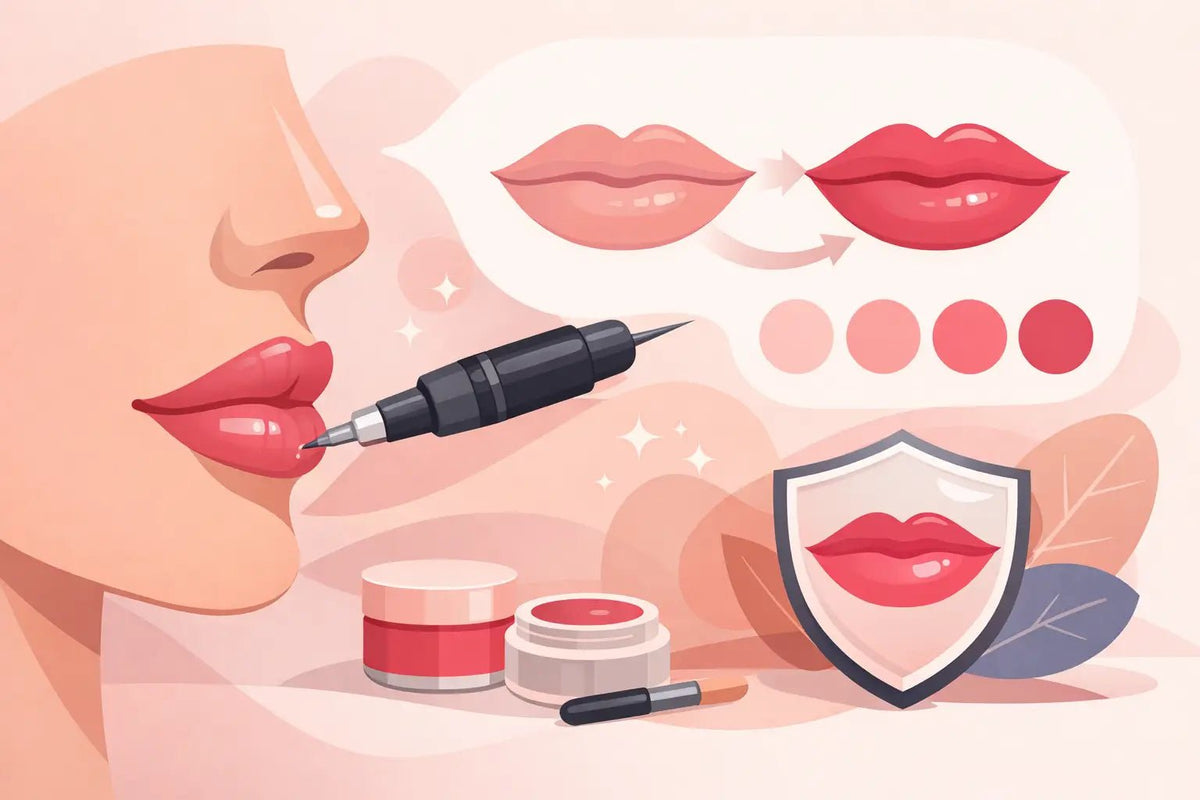
Lip blush is not a brow service applied to a different area. The lip tissue, movement, vascularity, healing pattern, and client expectations all change the technical equation. This lip blush guide is built for PMU artists who want more predictable healed color, cleaner borders, and a consultation process that protects both the client experience and the artist’s reputation.
The most polished lip blush results begin long before the machine is switched on. They come from correctly identifying the client’s starting point, choosing a formula that works with that tissue, and implanting color with restraint. A fresh result can look impressive on treatment day. The healed result is what earns referrals.
Start Every Lip Blush Consultation With the Natural Lip
Assess the bare lips in neutral lighting before discussing shades. Look at the client’s natural vermilion border, baseline lip tone, asymmetry, hydration, texture, and signs of previous cosmetic tattooing. A client with naturally cool, uneven, or highly melanated lips may need a different plan than a client seeking a soft rosy enhancement on evenly toned tissue.
Ask about cold sores, recent fillers, lip products, medications, allergies, prior PMU, and any history of difficult healing. Artists should follow their local regulations, training protocols, and manufacturer guidance for contraindications and pre-care. When a client has a history of cold sores, make sure they understand that lip tattooing can trigger an outbreak and that they should consult their qualified healthcare provider about appropriate prevention.
Be direct about what lip blush can and cannot do. It can add a soft veil of color, improve the appearance of tone consistency, and create the impression of more defined lips. It cannot safely replace lipstick-level opacity in one appointment, erase every asymmetry, or guarantee that a particular digital color swatch will heal the same on every client.
Color Selection Is About Tissue, Not the Trend
The client may arrive asking for nude pink, cinnamon, berry, or a trendy muted brown. Those references are useful, but the final pigment decision must be based on the lip’s undertone and saturation. A shade that looks beautifully neutral in the bottle can heal too cool, too warm, or too sheer if it does not support the existing tissue color.
For cooler or darker areas, a corrective approach may be required before the target shade becomes realistic. This is where artists need to distinguish between neutralization and color enhancement. Trying to force a light nude directly over a strongly cool base can produce disappointing healed results. A thoughtful multi-session plan is often more professional than promising an immediate transformation.
Use pigment systems you know well and keep detailed records of every procedure. Document the pigment brand, shade, modifiers, dilution or mixing ratio where applicable, needle configuration, machine settings, and client skin response. Strong records make touch-up appointments more efficient and help you recognize patterns in retention across your own work.
Set Expectations Around Healed Color
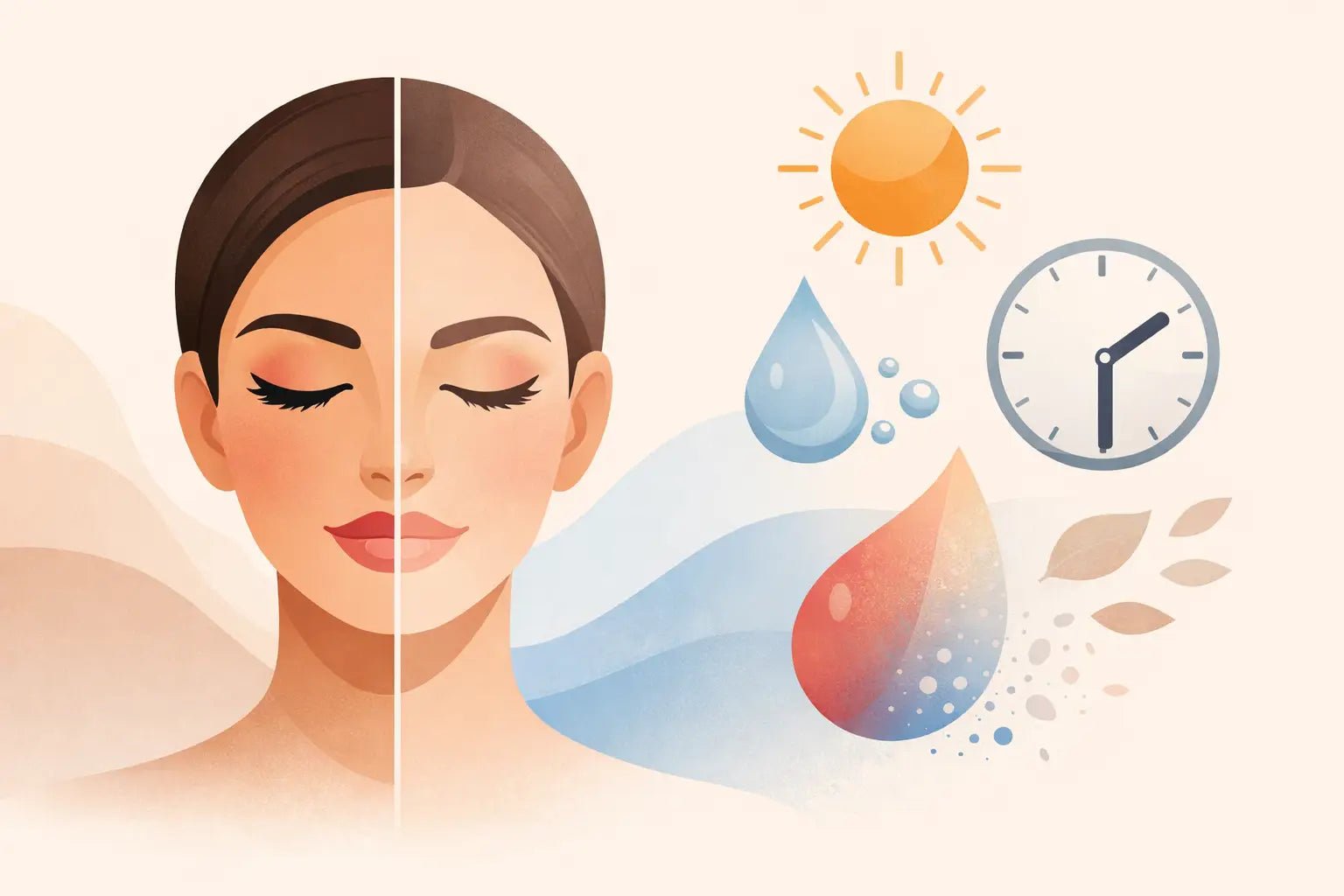
Fresh lip blush typically appears brighter, warmer, and more saturated than the healed result. Explain that swelling and surface warmth can temporarily distort how the color reads. As the lips heal, they may look darker at first, then appear lighter or patchy during the settling phase before the tone stabilizes.
Avoid presenting a single healed-color promise. Retention depends on the client’s lip condition, skin characteristics, aftercare compliance, lifestyle, immune response, technique, and the starting color of the lips. Clear language during consultation prevents the common problem of a client judging a lip blush procedure too early.
Build a Lip Blush Setup That Supports Precision
Lip work rewards a controlled, hygienic setup. Your machine should allow consistent, comfortable movement without forcing you to overwork the tissue. Many artists prefer a lightweight wireless machine for freedom of movement, but machine choice is personal. The best option is the one that gives you stable hand speed, dependable power, and a needle response you can repeat from client to client.
Needle cartridges matter just as much. A cartridge that runs smoothly and matches your technique supports controlled implantation and helps reduce the temptation to chase saturation through excess pressure. Fine round liners can help with detail work when used with care, while curved magnums and soft shading groupings are common choices for building an even wash of color. There is no universal cartridge that fits every lip, every machine, or every artist’s hand.
Keep barrier protection, single-use consumables, appropriate topical comfort products, pigment caps, sterile applicators, and aftercare materials within easy reach. A disorganized station interrupts rhythm and creates avoidable hygiene risks. Working efficiently does not mean rushing. It means every item has a purpose before the client sits down.
Technique: Build Color in Light, Intentional Layers
The goal is not to pack the lips until they look fully opaque in the chair. Healthy-looking lip blush is usually created through even, controlled passes that respect the tissue. Stretch should be secure but not aggressive. Hand speed, machine speed, needle depth, and movement need to work together so pigment is placed consistently rather than dragged across compromised skin.
Watch the tissue throughout the service. Excessive redness, pinpoint bleeding, pronounced swelling, or a glazed appearance can signal that the area has been overworked. The answer is rarely more passes. Pause, reassess your stretch and settings, and decide whether the area has reached a responsible stopping point.
Border work deserves particular discipline. A crisp-looking outline is appealing, but a hard, dark line can heal artificial if it is disconnected from the body of the lip. Build definition with soft integration, especially when working around areas of natural asymmetry. If the client requests a significant shape change, explain the limits of working beyond the natural vermilion border and document the plan clearly.
Why One Technique Does Not Fit Every Client
A dehydrated client may need a more conservative session than a client with smooth, resilient lip tissue. A client with scar tissue or residual pigment may retain unevenly. Mature lips can require more patience around fine lines and texture. These are not failures of technique. They are reasons to adapt your treatment plan rather than repeat the same pass pattern on every face.
Aftercare Is Part of the Result
Clients often remember the treatment day, then underestimate the healing process. Give aftercare verbally and in writing, using instructions that align with your training, product guidance, and local requirements. Explain how to keep the area clean, what products they may use, and what habits to avoid while the lips are healing.
They should understand that picking, scrubbing, sun exposure, intense heat, and using unapproved products can affect the result. They also need to know when to contact a qualified medical professional, particularly if they experience signs of an allergic reaction, infection, or an unusual healing response. PMU artists should never minimize a client concern simply because some swelling or dryness is expected.
A scheduled touch-up should be framed as part of the service plan when appropriate, not as a correction for automatically poor work. The initial appointment establishes the foundation. The perfection session allows you to evaluate healed retention, refine weak areas, and adjust tone with the client’s actual healing response in view.
Keep Your Lip Blush Workflow Consistent
Consistency is a business advantage. Photograph the bare lips, pre-draw, fresh result, and healed work with the same lighting and angles whenever possible. Track which pigment families perform best on different starting tones. Review your healed portfolio regularly, not just your fresh photos, and let that information shape your inventory and technique decisions.
For artists building or refreshing a professional lip setup, reliable pigment options, compatible cartridges, barrier supplies, and aftercare should be sourced with the same care you bring to the procedure. Inkbox Artistry was built by permanent makeup artists for artists, with the everyday PMU workflow in mind.
The strongest lip blush work does not chase maximum saturation. It gives clients a believable, wearable result and gives you a repeatable system you can stand behind at every healed follow-up.