Microblading Blades vs Needle Cartridges
A clean, crisp hairstroke can begin with either a manual blade or a machine cartridge, but the tools do not create the same tissue interaction, workflow, or healed result. The choice between microblading blades vs needle cartridges should start with the service you are qualified to perform, the client’s skin, and the result you can realistically deliver and maintain - not simply the look that is trending on your feed.
For working PMU artists, this is less about declaring one tool “better” and more about matching a reliable setup to the right brow treatment. A manual blade remains highly specific to traditional microblading. Needle cartridges open the door to machine hairstrokes, nano brows, shading, pixelated fronts, and combination work. Each has a place in a professional brow kit when used with sound technique, proper training, and sterile single-use practices.
Microblading Blades vs Needle Cartridges: The Core Difference
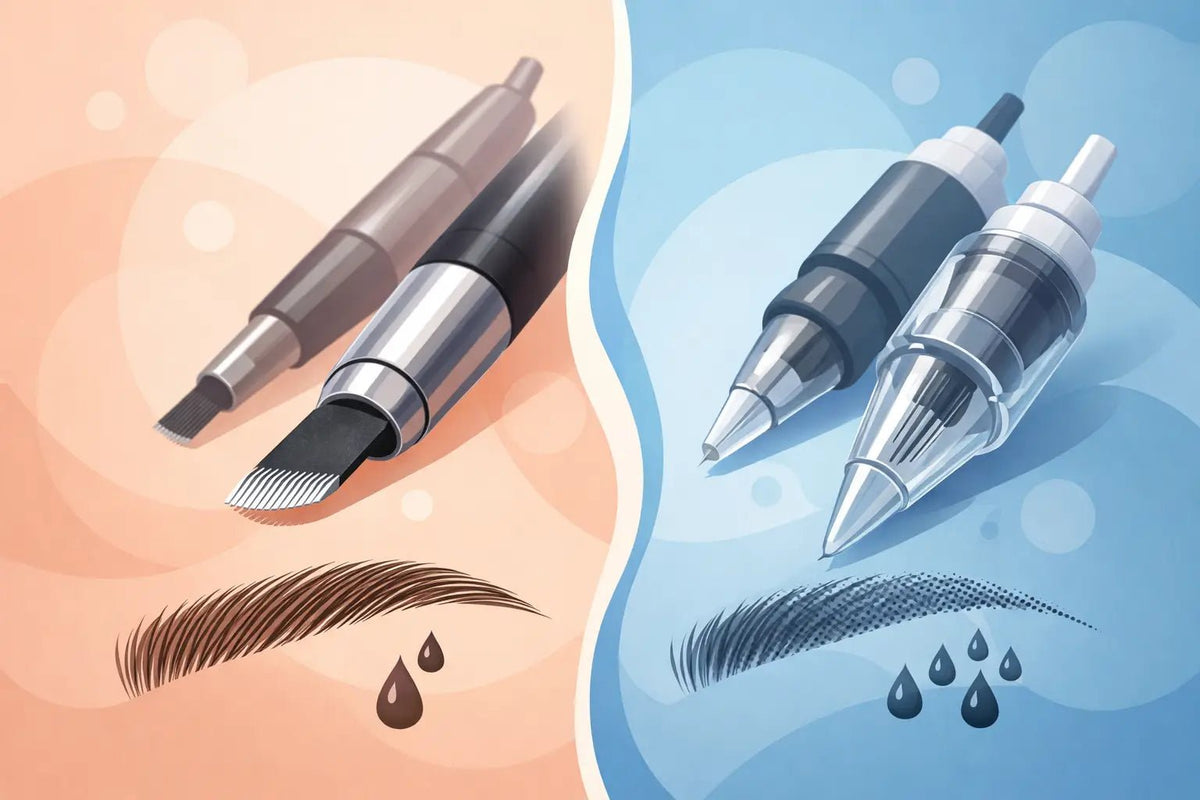
Microblading blades are manual needle configurations arranged in a row, curve, U shape, or specialty pattern. They are mounted in a hand tool and moved by the artist’s hand. The blade creates a controlled incision-like channel, and pigment is worked into that channel to form a hair-stroke effect.
Needle cartridges are enclosed, disposable needle modules used with a compatible PMU or tattoo machine. The machine drives the needle in and out of the skin at a controlled speed and stroke. Instead of manually creating a cut, the artist implants pigment through repeated punctures. Cartridge configurations can include single needles, round liners, round shaders, flats, and magnums, depending on the machine system and intended technique.
That mechanical difference affects nearly every part of the appointment: hand pressure, skin response, pigment delivery, stroke construction, trauma risk, and the range of styles you can offer. A cartridge is not simply a “machine version” of a blade. It requires its own technical understanding, machine settings, stretch, angle, and movement.
When a Microblading Blade Makes Sense
Traditional microblading is still requested by clients who want defined, airy hair strokes without a powdered makeup effect. In favorable skin, a quality blade can create sharp, fine marks that mimic natural brow hair exceptionally well. Artists often reach for blades when a client has dry to normal skin, fine natural hair, and realistic expectations around softening and fading.
Blade configuration matters. A fine, tight flat blade may support delicate front strokes, while a curved or U configuration can help an experienced artist follow a specific brow pattern. More needles can carry more pigment, but that does not automatically mean a better result. Larger configurations can create wider channels and may be less forgiving on thin, mature, textured, or reactive skin.
The limitation is that manual microblading is heavily dependent on skin quality and artist pressure. Oily skin, enlarged pores, dense scar tissue, active irritation, and very thin or sun-damaged skin can make crisp healed strokes difficult to achieve. Even when the initial result looks clean, excess pigment spread, poor retention, or blurred strokes may develop during healing.
This is where consultation matters. A client who arrives asking for “microblading” may be a stronger candidate for nano machine strokes, soft shading, or a combination brow. The professional recommendation should protect the healed result, not chase the service label.
Blade quality and consistency affect the service
For manual work, blade consistency is non-negotiable. Needles should be aligned, sharp, securely mounted, and individually sterile packaged. An inconsistent blade can catch, drag, or create irregular lines that make controlled depth harder to maintain.
Choose configurations that support your trained method rather than buying every shape available. A smaller, disciplined selection of dependable blades is easier to test, reorder, and keep consistent across clients. As with pigments, mapping tools, and anesthetics, dependable consumables reduce variables in your treatment room.
Where Needle Cartridges Have the Advantage
Needle cartridges give artists far more versatility across modern brow services. A single-point cartridge can be used for machine hairstrokes and nano-style detailing, while larger groupings can create soft pixels, density, and shaded tails. This makes cartridges especially practical for artists offering powder brows, ombré brows, combination brows, and machine hair-stroke techniques alongside other cosmetic tattoo services.
For many skin types, machine work can be more adaptable than manual blading. That does not mean cartridges eliminate the need for careful technique. Overworking skin with a machine can still cause trauma and compromise retention. But with appropriate settings, hand speed, needle choice, and stretch, machine implantation may allow a gentler-looking healed result on clients who are not ideal candidates for manual strokes.
Cartridges also support a more standardized workflow. Machine speed, needle hang, voltage, and hand movement are adjustable variables that can be refined as you gain experience. Artists who work across brows, lips, and eyeliner often appreciate keeping a compatible cartridge system on hand rather than maintaining separate manual methods for every type of detail work.
Cartridge choice is about technique, not just needle count
A single needle is not automatically the answer for every hairstroke. Fine singles can create refined detail, but they demand accurate movement and may be slower to build density. Small round liners can create controlled strokes or texture depending on your technique. Round shaders and larger groupings are generally better suited to pixel shading, saturation, and soft transitions than hair-stroke imitation.
Needle taper, diameter, membrane design, and cartridge build quality also influence performance. A stable cartridge with a reliable membrane and smooth needle movement helps support controlled pigment flow and cleaner handling. Confirm that cartridges are compatible with your machine and grip system before bringing them into client work. “Universal” describes broad compatibility, not a substitute for checking your equipment specifications.
Compare the Healed Result, Not the Fresh Brow
Fresh brows can be deceptive. Manual strokes may look exceptionally sharp immediately after the service, while machine work can appear more subtle or pixelated before healing. The real comparison happens after the skin has recovered and the pigment has settled.
Microblading blades may produce a more visibly incised stroke at first, which can heal beautifully on suitable skin. On unsuitable skin, those same strokes can soften, expand, or lose definition. Needle cartridges tend to create implanted pixels or fine puncture-based marks. With the right technique, machine hairstrokes can heal soft and natural, while machine shading can create a polished brow that ages more predictably than dense manual strokes on certain clients.
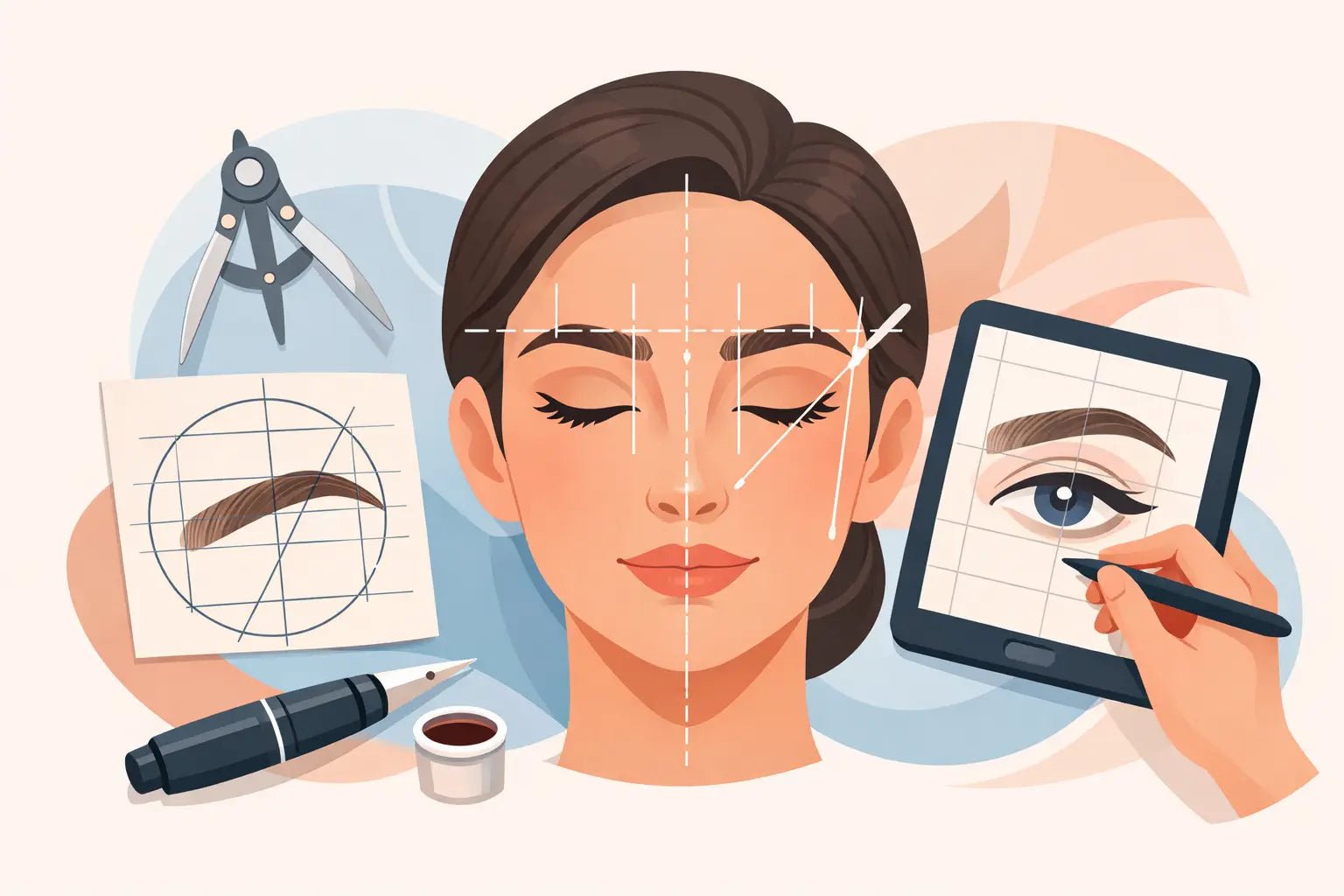
Your treatment plan should account for the client’s lifestyle, natural brow density, previous PMU, skincare habits, and willingness to return for touch-ups. A sparse brow on oily skin may benefit from a soft machine-shaded foundation with strategic strokes, rather than a full manual microblading pattern that is unlikely to stay crisp.
Hygiene Is a System, Not a Tool Feature
Both microblading blades and needle cartridges must be single-use, sterile, and disposed of as sharps after the service. Never reuse a blade or cartridge, even on the same client at a later appointment. Sterility indicators, intact packaging, expiration dates, clean storage, and correct sharps disposal all belong in the same non-negotiable system.
Cartridges with membrane technology can help reduce the chance of fluid or pigment traveling back into the machine grip, but a membrane does not replace barrier protection, disinfection, or proper setup. Your machine, cord or battery area, work surface, pigment caps, and any item touched during the service need an intentional contamination-control plan.
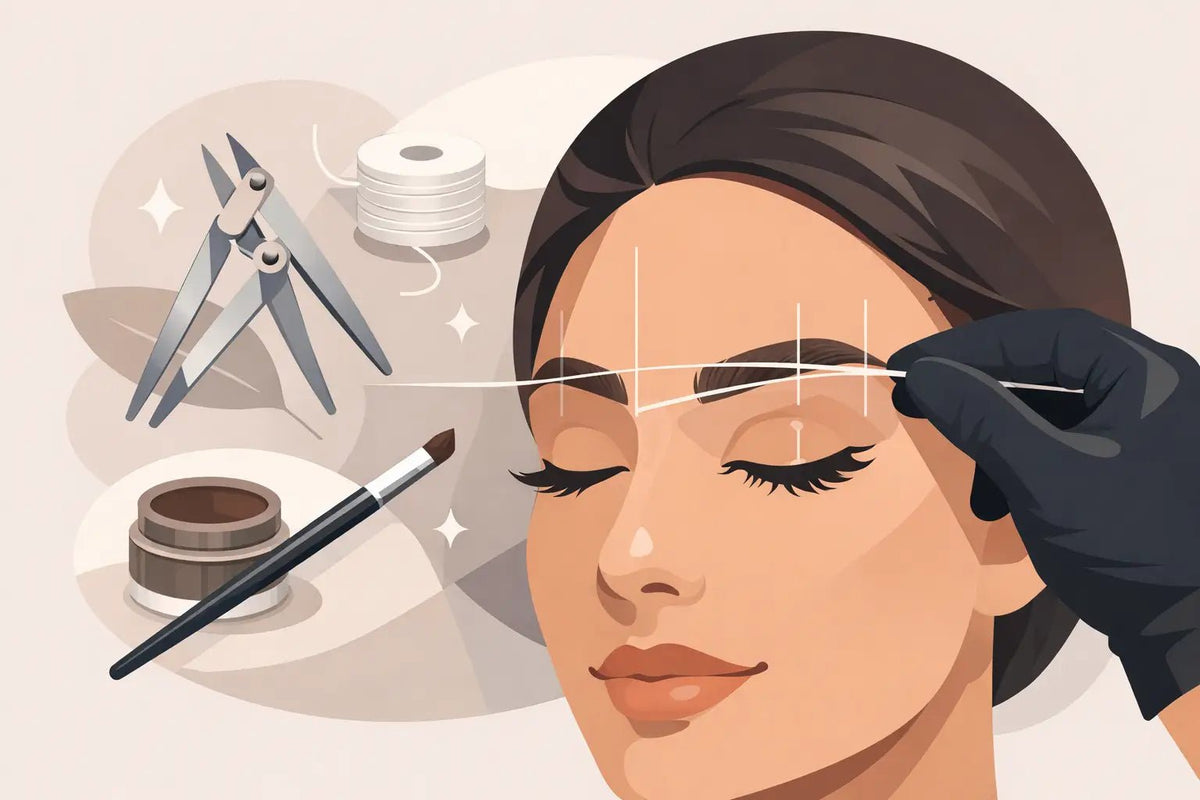
Manual tools require the same discipline. The hand tool must be appropriately cleaned, disinfected, and barrier protected according to your local requirements and manufacturer instructions. If you use disposable manual tools, verify their packaging and disposal requirements. Follow state, local, and licensing regulations at all times, since permitted techniques and sanitation standards can vary by jurisdiction.
Build Your Brow Setup Around Your Actual Menu
If traditional microblading is a core, trained service in your studio, keep a focused range of trusted blade configurations ready for the skin types you regularly accept. Pair them with dependable mapping supplies, suitable brow pigments, PPE, and aftercare so the full treatment experience is consistent from design through healing.
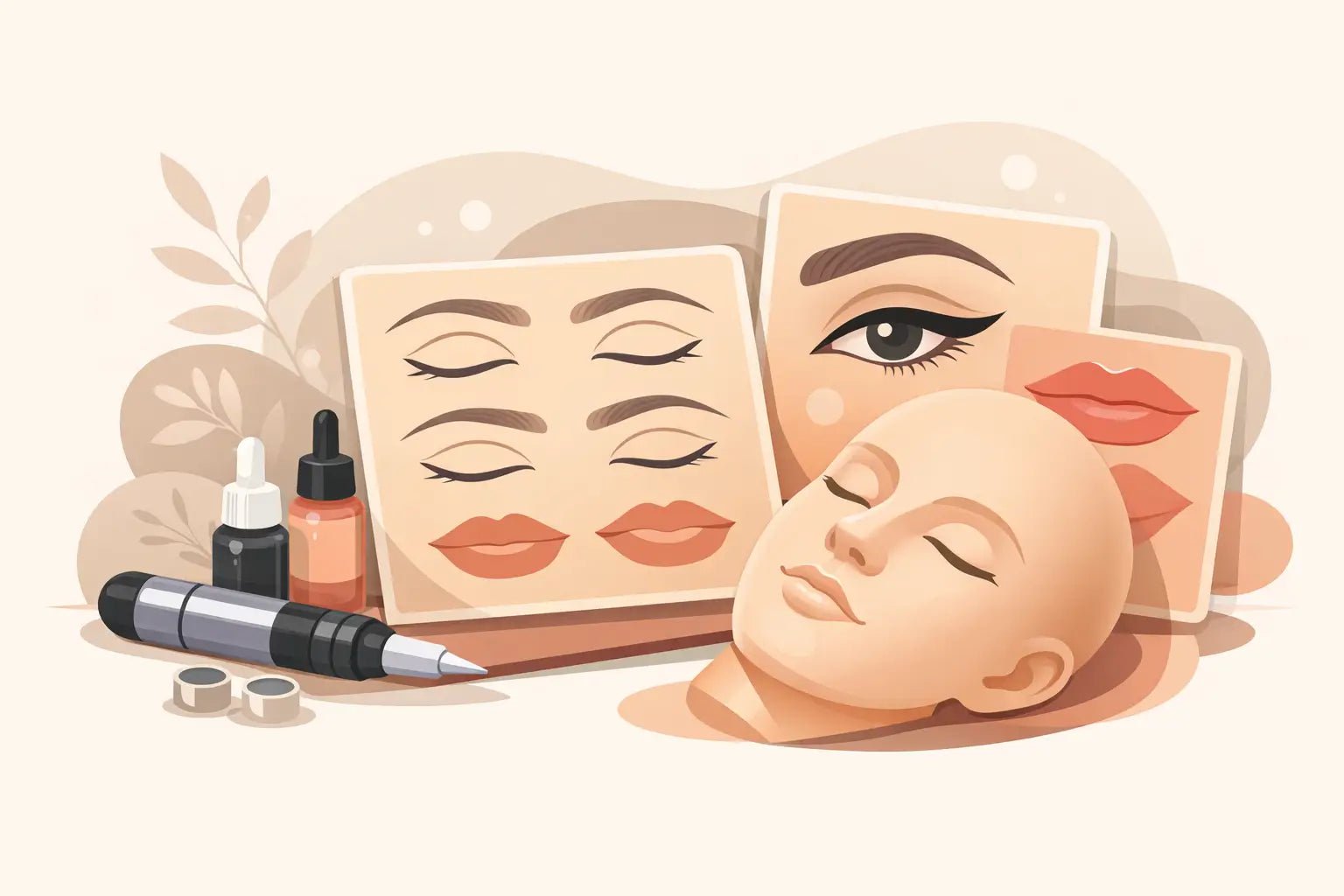
If your menu includes powder brows, nano brows, lip blush, or eyeliner, cartridges offer a more flexible platform and can simplify your inventory. Invest in a machine and cartridge system you can confidently control, then practice each configuration on quality practice materials before using it in a live service. Cartridge work rewards repetition. The right voltage means very little without correct depth, stretch, and movement.
Many established artists keep both options available. They use manual blades selectively and rely on machine cartridges for broader skin suitability and service versatility. That is often the most commercially sound approach: offer the technique that fits the client, rather than forcing every brow into one tool category.
The best tool is the one that supports your trained technique, protects your hygiene standards, and gives your client the most believable healed result for their skin. Stock with intention, test consumables before they become staples, and let your healed portfolio guide the next choice you make.