Tina Davies Pigment Review for PMU Artists
A pigment can look perfect in the cup, implant smoothly during the service, and still disappoint six weeks later. That is why a useful Tina Davies pigment review has to go beyond swatches and first-pass saturation. For working brow artists, the real questions are how the pigment behaves in the skin, how predictable the healed result feels, and whether the color system supports the clientele and techniques already in your studio.
Tina Davies Pigment Review: The Professional Take
Tina Davies pigments have earned a strong following because they are designed around a practical brow workflow: recognizable shades, artist-friendly consistency, and a color range that makes sense for common client starting points. The brand is especially familiar to artists who want a polished, modern brow result without building every appointment around complicated custom mixes.
The main appeal is consistency. When artists say they trust a pigment line, they usually mean the product gives them a familiar response from bottle to bottle and appointment to appointment. Tina Davies brow pigments are generally valued for a workable texture that supports controlled implantation rather than feeling excessively thin or overly dense. That matters when you are moving between hair strokes, machine shading, pixel work, and more saturated powder-brow techniques.
Still, no pigment line is a universal answer. Skin type, undertone, depth of placement, machine settings, needle configuration, previous tattoo work, and aftercare all influence the healed color. A shade that becomes a reliable staple for one artist may need adjustment for another artist's local client base or preferred technique.
What Artists Often Like About the Line
A shade system that is easy to build into a brow kit
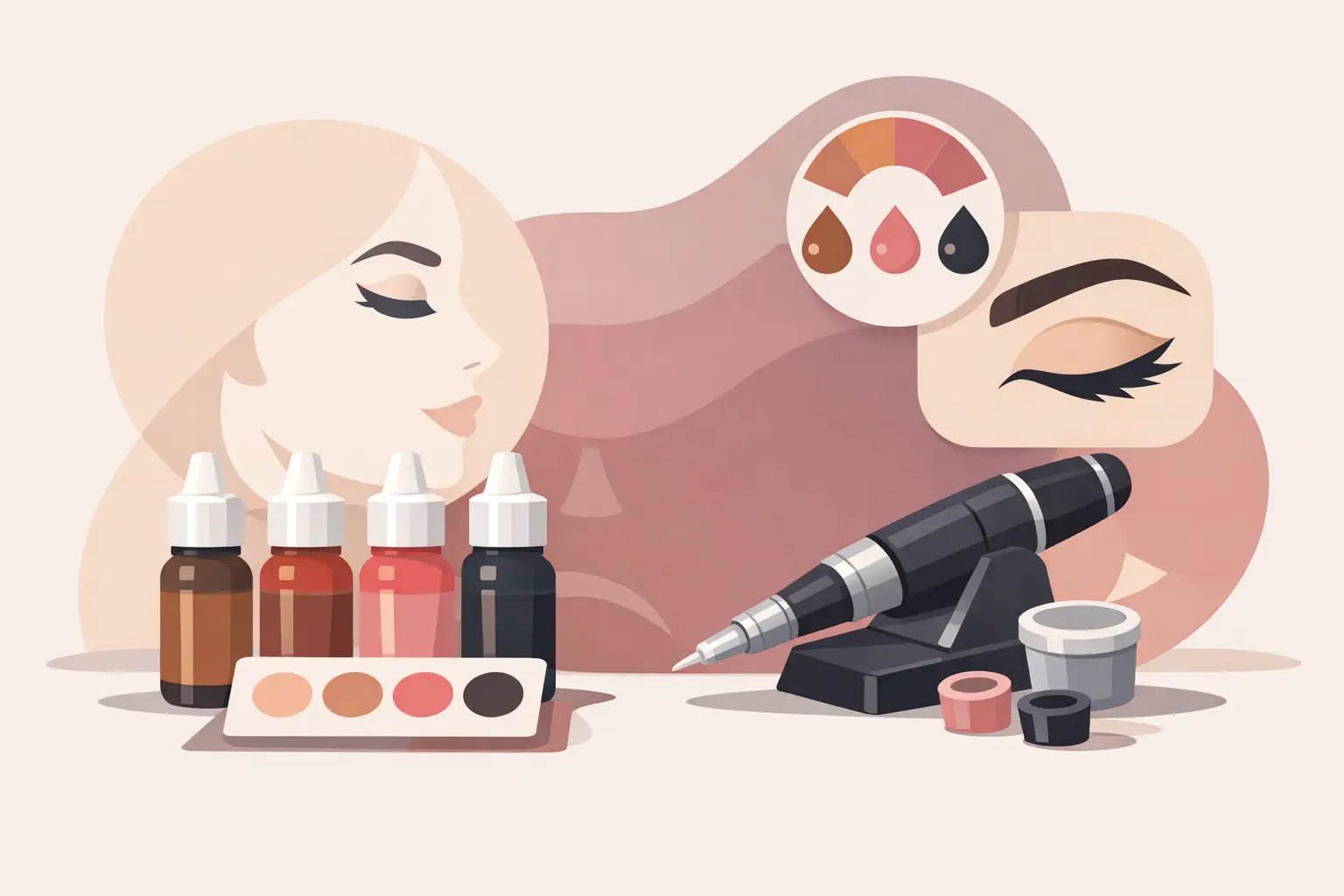
A well-organized pigment collection saves time at the tray. Tina Davies offers familiar brow families that allow artists to work from lighter blonde and taupe directions through medium brown, warm brown, deep brunette, and black-brown territory. That makes the range approachable for newer PMU artists while remaining useful in a high-volume studio.
The advantage is not that every client should receive a straight-from-the-bottle color. The advantage is having a clear starting point. You can assess natural hair color, skin undertone, Fitzpatrick type, sun exposure, lifestyle, and the client's desired level of definition, then select or modify with purpose. Artists who prefer an efficient consultation-to-procedure flow often appreciate this kind of color organization.
Comfortable handling for machine work
Many artists choose Tina Davies pigments for machine brows because the consistency can support even saturation without forcing the artist to overwork the skin. That does not mean the pigment will compensate for poor technique. If your hand speed is inconsistent, your voltage is too high, or your needle is running too deep, no formula will create a clean healed result.
Used with a compatible cartridge and a controlled machine setup, the pigments can suit soft powder brows, defined ombré work, combination brows, and selective machine hairstrokes. The best approach is to test each shade with your own preferred cartridge grouping and hand movement on practice skins, then document your healed results. Your method matters as much as the bottle.
Color options for intentional warmth and depth
Brow color rarely comes down to “warm versus cool.” A client may have ash-toned brow hair but warm skin, cool skin with a history of pigment turning gray, or mature skin that needs a softer overall effect. The benefit of working with an established professional line is that artists can learn its color behavior over time and make better decisions about depth, warmth, and modifiers.
Tina Davies pigments can be a strong option for artists who want colors that read natural but still have enough presence to heal visibly. This is particularly helpful when a client requests a soft enhancement rather than a makeup-heavy brow. For clients with dense natural hair, a lighter application and lower visual contrast may be more flattering than chasing maximum saturation.
Where Your Technique and Client Assessment Matter Most
The strongest review of any pigment is honest about the variables. Tina Davies pigments are not automatically right for every skin type, every geographic market, or every existing brow tattoo.
Oily, porous, or heavily textured skin may heal softer and less defined than dry, balanced skin. A very cool client with a history of ashy retention may need a different color strategy than a warm client who tends to pull red. Mature skin often benefits from a gentler application and a less aggressive target shade. For highly melanated skin, artists should consider contrast, undertone, and expected healed visibility rather than relying on a shade name alone.
Previous work deserves even more caution. Do not use a new pigment selection to solve an old color problem without first identifying what is actually present in the skin. Residual gray, red, orange, or blue tones may require correction, removal, or a staged plan. Attempting to cover unwanted color with a darker brown can create a result that is difficult to correct later.
This is also why healed-photo documentation is non-negotiable. Photograph brows before treatment, immediately after, and at the healed follow-up using consistent lighting. Keep notes on the selected pigment, mix ratio, needle configuration, machine settings, passes, skin response, and retention. After enough cases, your own data becomes more valuable than any viral swatch video.
Choosing a Tina Davies Shade With More Confidence
Start with the client's natural brow hair, but do not stop there. Hair color is a reference point, not a complete color prescription. Look at the skin around the brow, the client's overall coloring, their daily makeup habits, and whether they want a barely-there enhancement or a more structured brow.
For fair clients, avoid assuming that the lightest-looking option is automatically safest. An overly cool or gray-leaning choice can heal flat against pink or cool skin. For medium brunettes, the most flattering result often sits in the middle - enough depth to frame the face, with controlled warmth to keep the healed result from appearing dull. Deep brunettes need distinction without turning the brow into a solid, harsh block.
When in doubt, choose a conservative plan. It is easier to add density at a perfecting session than to explain why a brow healed too dark. This is especially relevant for artists transitioning from conventional tattoo color theory into PMU, where depth of implantation and skin transparency can change the final read dramatically.
Is Tina Davies a Good Fit for Your Pigment Shelf?
Tina Davies pigments are a practical fit for artists who value an established brow-focused system, familiar shade families, and a formula that works well within modern machine PMU workflows. They can be particularly useful for artists building a streamlined kit, trainers who need students to understand color selection without unnecessary confusion, and studios looking for dependable options across a broad range of brow services.
They may be less ideal as a single, standalone solution if your work regularly involves advanced correction, highly specialized skin challenges, or a client base with color needs that demand a larger modifier collection. In that case, the smarter setup may be to keep Tina Davies as a core brow range while adding select corrective or specialty pigments based on your documented demand.
Professional compliance belongs in the decision as well. Confirm that each product is appropriate for your intended use, review the current manufacturer information, follow your state and local requirements, and maintain proper batch tracking in every client record. Pigment selection is part of your safety process, not just your color process.
For artists sourcing a professional brow kit, Inkbox Artistry recommends buying with your real service menu in mind. Start with the shades you can confidently match and heal, then expand after you have a record of results. The pigment that performs best is the one you understand well enough to use deliberately on every client.