Are Cartridge Membranes Necessary for PMU?
A beautiful healed result starts long before pigment touches the skin. It starts with a setup that protects your client, your equipment, and the consistency of every treatment. So, are cartridge membranes necessary for PMU? For most professional artists using cartridge-based machines, the practical answer is yes: a quality safety membrane is a major part of a cleaner, more reliable workflow.
That does not mean every cartridge labeled “membrane” performs the same way, or that a membrane replaces correct barrier protection and disinfection. It means the cartridge itself should be selected as a functional safety component, not simply as a needle configuration.
What a Cartridge Membrane Actually Does
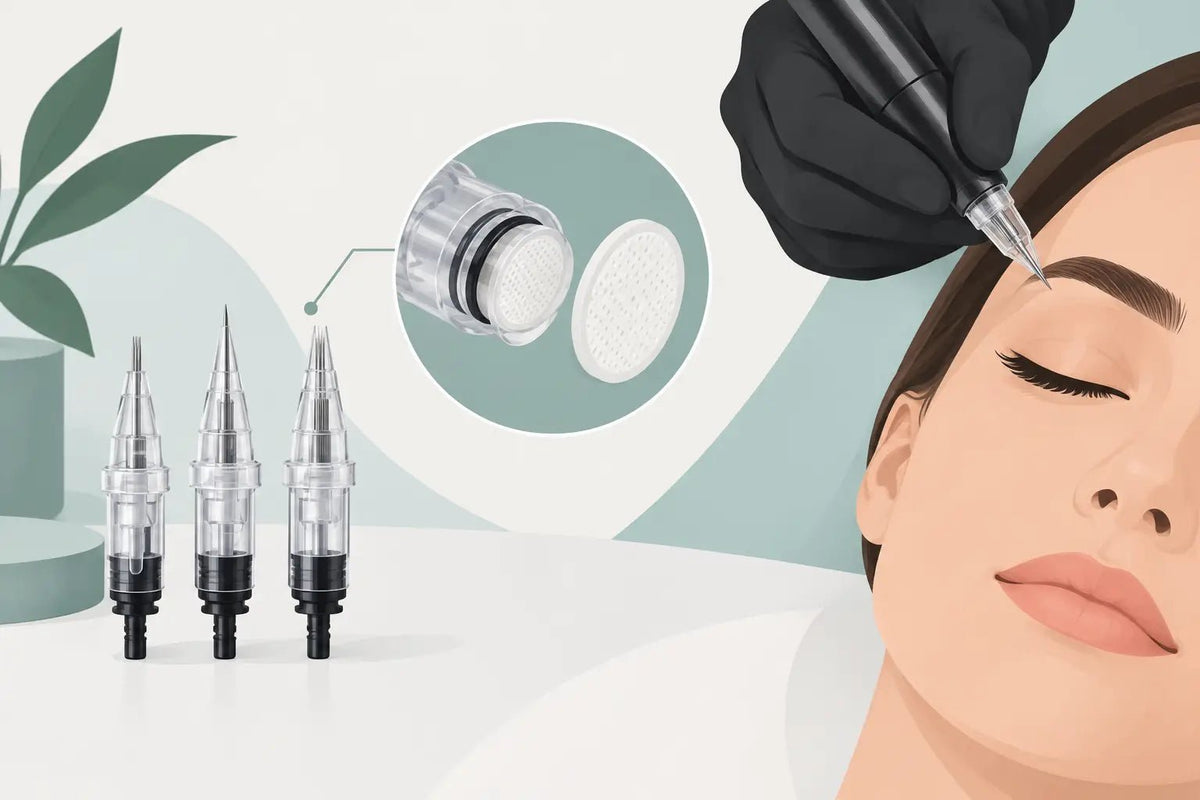
A cartridge membrane is an internal barrier positioned behind the needle assembly. Its job is to limit the movement of pigment, blood, plasma, and other fluids from the cartridge back into the grip or machine.
During a brow, lip blush, or eyeliner procedure, needle motion creates a pathway where fluid can travel backward. Without a dependable barrier, that material may enter areas of the handpiece that are difficult or impossible to fully access and clean. The risk is not always obvious in the moment. A machine can look clean on the outside while contamination has reached its internal components.
A well-made membrane also contributes to stable needle movement. When the membrane tension is too loose, too stiff, or inconsistent from cartridge to cartridge, artists may notice irregular pigment flow, excess splatter, or a different feel at the skin. For PMU, where fine line work, soft pixels, and controlled saturation matter, that inconsistency is not a small issue.
Are Cartridge Membranes Necessary for Every Setup?
If you perform professional cosmetic tattoo services with a cartridge machine, membrane cartridges should be considered the standard rather than an optional upgrade. They provide a layer of protection that supports a more hygienic service environment and helps preserve the condition of your machine.
The one exception is a machine system specifically designed around a different, manufacturer-approved barrier method. In that case, follow the machine manufacturer’s instructions exactly. Do not assume a cartridge will fit safely or perform correctly just because it is marketed as universal.
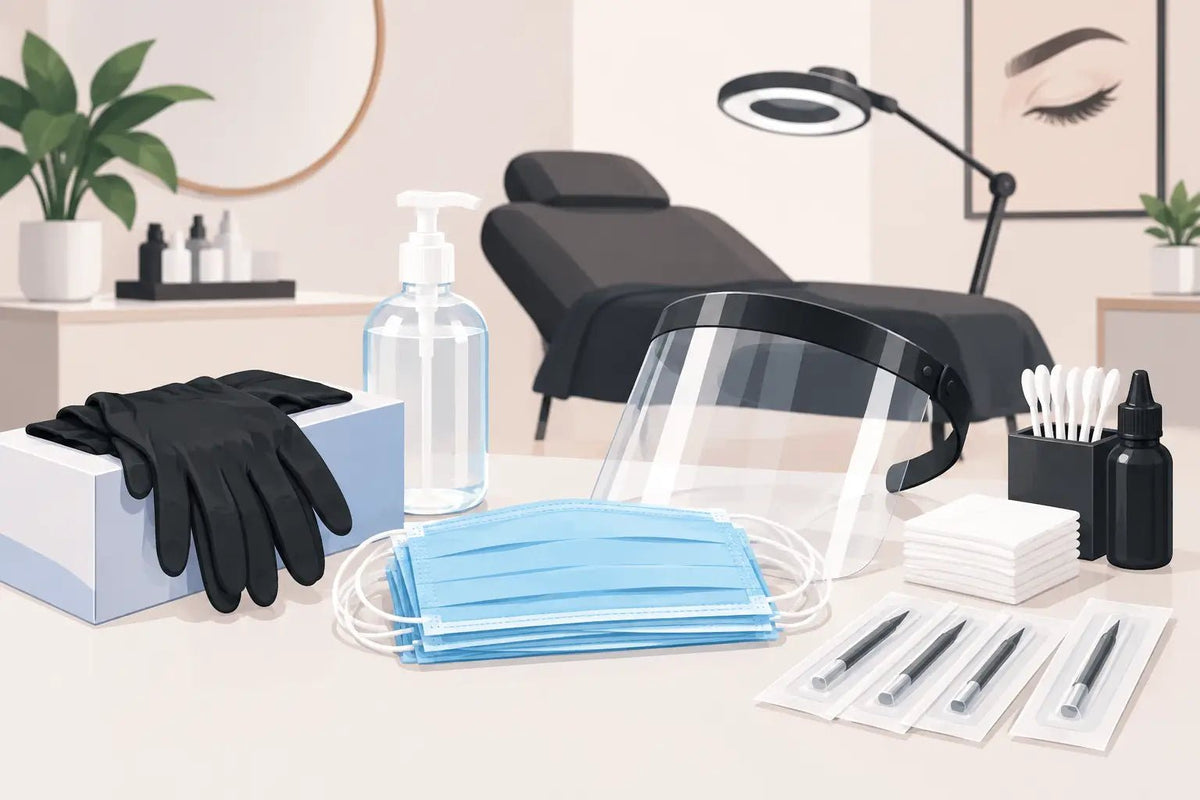
Your local licensing rules, health department requirements, insurance standards, and machine instructions also matter. A membrane cartridge does not exempt an artist from wrapping the machine, using single-use barriers, changing gloves appropriately, disinfecting work surfaces, and following a documented cross-contamination protocol. Think of it as one important layer in a complete system.
A Safety Membrane Is Not the Same as a Sterile Workflow
This distinction is worth making clear. A membrane helps prevent backflow into the machine. It does not make a used cartridge safe, eliminate surface contamination, or replace proper handling.
Each cartridge should be sterile, individually packaged, opened immediately before use, and disposed of after a single client. The machine body, clip cord or battery area, work tray, pigment setup, and any surfaces touched during the procedure still need to be protected and managed correctly.
For artists training new technicians, this is a useful mindset to teach early: safety is not one product. It is a sequence of intentional decisions made from setup through cleanup.
Why Membranes Matter More in Permanent Makeup
PMU procedures often require slower, more deliberate passes than many body tattoo applications. Artists may work in a small treatment area for an extended period, switch between pigment cups, wipe repeatedly, and build color gradually. Those conditions make equipment control and contamination prevention especially relevant.
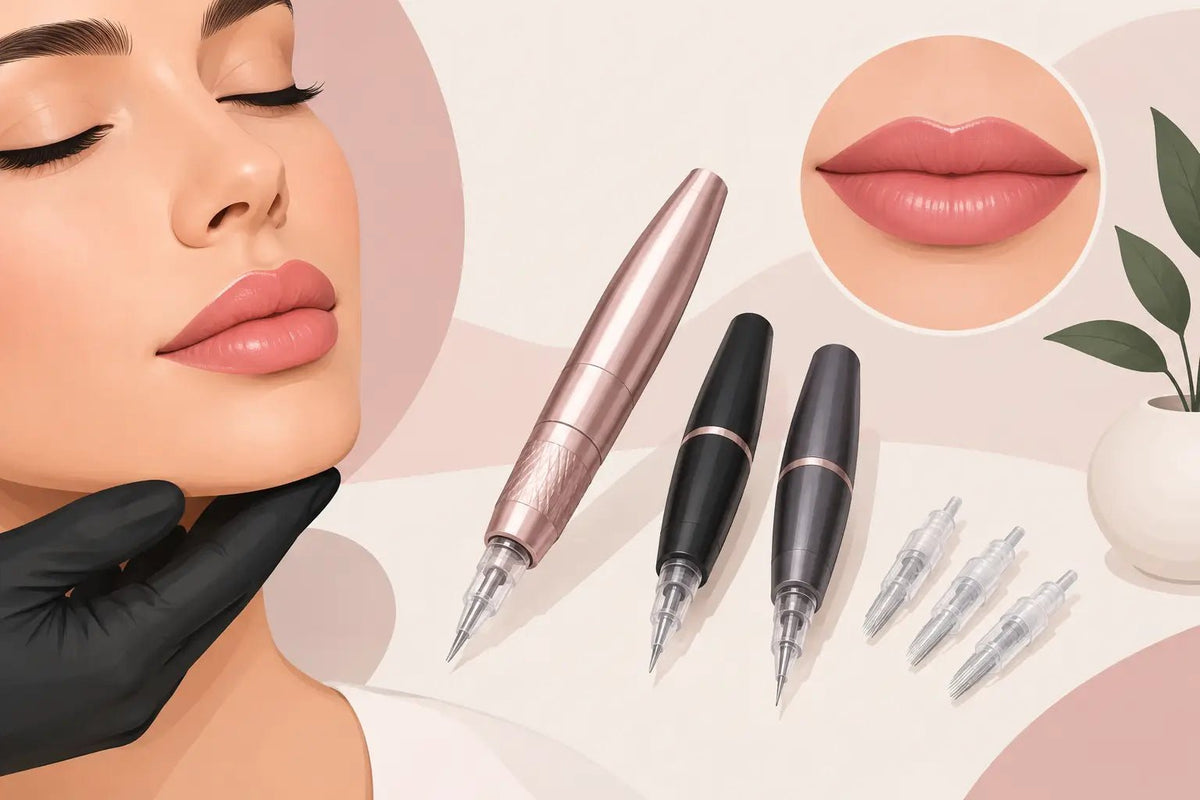
Brow artists need predictable movement for hairstrokes, machine shading, and powder effects. Lip artists need even saturation without fighting splatter or unpredictable pigment delivery. Eyeliner artists work in one of the most sensitive areas of the face, where clean setup and controlled equipment are non-negotiable.
A reliable membrane cartridge supports those goals in two ways. First, it helps isolate the machine from potential fluid ingress. Second, it allows you to focus on hand speed, depth, stretch, and pigment technique instead of questioning whether the cartridge is behaving differently from the last one.
For a busy studio, that consistency has a business value as well. Replacing a contaminated or damaged machine can be costly. Losing time to troubleshooting, repair, or a machine that no longer runs smoothly affects appointments, client experience, and revenue.
The Trade-Off: Not All Membrane Cartridges Feel Alike
A membrane is necessary for a professional workflow, but choosing the right membrane tension is still a performance decision. This is where artists can run into frustration after switching brands or moving from a traditional setup to a wireless machine.
A firmer membrane may create more resistance and a more controlled needle return. Some artists prefer that feel for precise machine hairstrokes or detailed eyeliner. A softer membrane can feel more responsive and may suit artists who favor fluid shading movements and gentle, layered color building.
Neither option is universally better. The right choice depends on your machine stroke, voltage range, hand speed, needle grouping, technique, and the treatment you are performing. A 1RL used for crisp detail will not necessarily need the same cartridge feel as a curved mag used for lip blush saturation.
The key is to test intentionally. When you introduce a new cartridge brand, use it first on practice skin or during a familiar treatment type. Pay attention to pigment flow, splatter, needle stability, and whether your usual voltage needs adjustment. Changing cartridges without adjusting your technique can make a quality product seem unsuitable when the issue is simply setup compatibility.
How to Choose a Quality Membrane Cartridge
There are several signs that separate a dependable professional cartridge from a low-cost option that creates more variables at the treatment bed.
Look first at manufacturing consistency. Needle alignment should be clean, the cartridge housing should fit securely, and the membrane should provide a predictable feel across the box. A cartridge that wobbles in the grip, has uneven needle grouping, or delivers inconsistent resistance can compromise even strong technique.
Needle quality matters just as much. PMU artists need sharp, stable needles that deposit pigment with control while minimizing unnecessary trauma. Consider the configuration, taper, diameter, and grouping in relation to the service. Fine liners may suit delicate detail work, while shaders and mags can support soft, efficient saturation when used with the right technique.
Compatibility is another practical factor. “Universal” generally refers to the cartridge connection, but it does not guarantee identical performance with every machine or grip. Confirm that your cartridge locks securely into your handpiece and test how it responds at your preferred stroke and voltage.
Finally, source from suppliers that understand professional PMU workflow. Recognizable cartridge brands, clear product specifications, sterile packaging, and reliable inventory make it easier to standardize your kit. When you find a cartridge that supports your healed results, keep your core configurations consistent rather than changing products every time a promotion appears.
Common Mistakes That Undercut Membrane Protection
The most common mistake is treating the membrane as the only barrier required. Even the best cartridge cannot protect a machine that is handled with contaminated gloves and not properly wrapped.
Another issue is reusing grips or machine components without following the manufacturer’s cleaning and disinfection guidance. A safety membrane reduces risk, but it does not erase the need for routine equipment care. Inspect the inside of grips and cartridge openings regularly. If you see signs of fluid migration, stop using that setup until you have identified the cause.
Artists also sometimes prioritize price over consistency. Saving a small amount per cartridge can become expensive if needles run poorly, pigment application becomes unpredictable, or a machine is exposed to contamination. Your disposable setup is part of the service standard clients are trusting you to maintain.
Build Your Cartridge Setup Around the Service
Rather than stocking every configuration available, build a focused cartridge selection around the services you perform most. A brow-focused artist may rely on a few trusted liners and shaders, while a lip specialist may need a broader range of round shaders and mags for outlines, transitions, and saturation.
Keep a consistent brand or small group of tested brands in your regular rotation. Document your preferred configurations, voltage ranges, and pigment pairings as you refine your process. This is particularly valuable for teams and trainers because it gives every artist a clear baseline before they develop personal preferences.
For working professionals, cartridge membranes are not an extra detail to consider after choosing a machine. They are part of the treatment foundation. Choose cartridges with the same care you give your pigments, mapping tools, anesthetics, and aftercare, then let a disciplined barrier protocol support the precise work your clients came to see.