What Machine for Lip Blush? A PMU Artist’s Guide
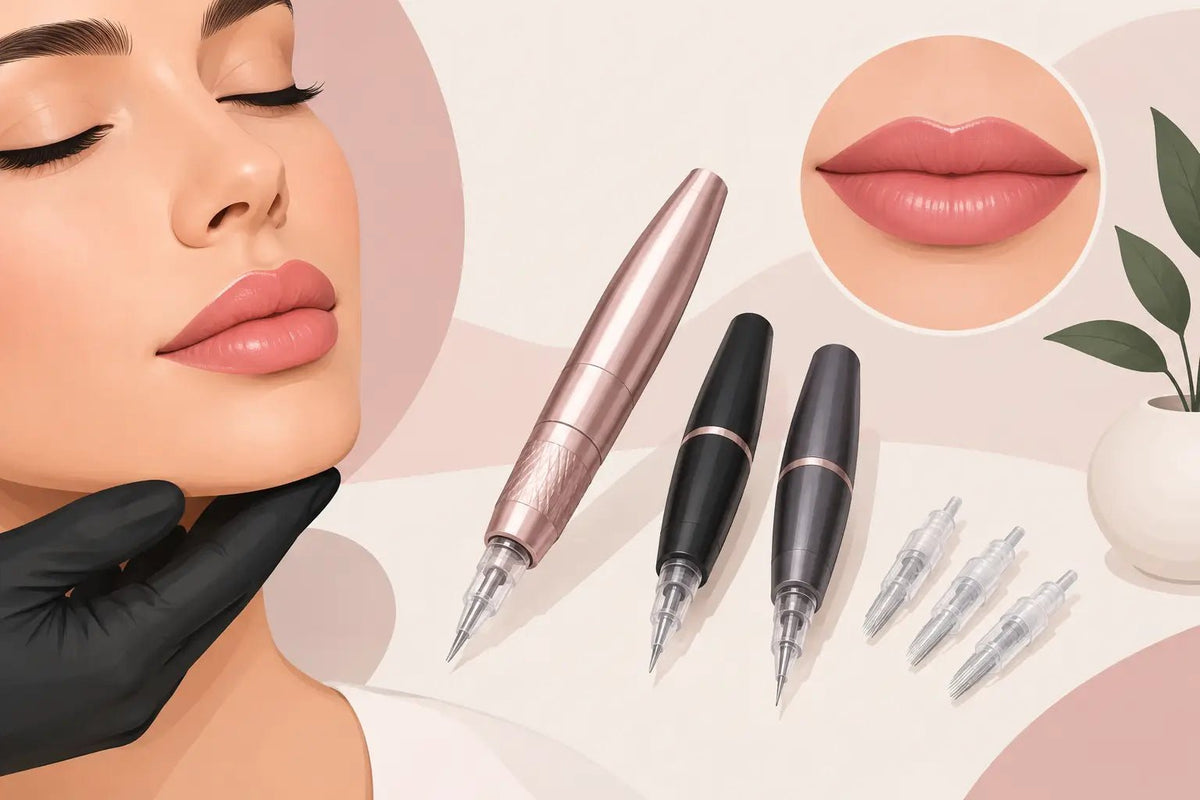
A lip blush machine has to do a very specific job: implant pigment evenly through delicate lip tissue without turning a soft wash of color into unnecessary trauma. If you are asking what machine for lip blush is right for your kit, the best answer is rarely a single model. It is a machine setup with controlled needle movement, dependable voltage response, low vibration, and a cartridge system you trust for every client.
For lip work, feel matters. A machine can be powerful enough to move pigment efficiently yet still be too aggressive for your hand speed, technique, or preferred needle configuration. The goal is not to chase maximum saturation in one pass. It is to create clean, even layers that heal predictably and support the client’s natural lip shape and tone.
What Machine for Lip Blush Produces the Best Control?
Most experienced artists favor a lightweight rotary or wireless PMU machine for lip blush. Rotary systems provide a consistent needle motion that works well for the small, controlled movements used to outline, pixelate, and build saturation across the vermilion. Wireless options can also reduce cord drag and hand fatigue during longer appointments.
That said, wireless is not automatically better. A high-quality wired rotary machine remains an excellent lip blush choice when it offers stable power delivery and a comfortable grip. The deciding factor is whether the machine feels predictable in your hand. When you make a short pendulum movement or a compact whip-shading pass, the response should feel immediate and controlled, not jumpy or delayed.
Machine weight deserves more attention than it gets. Lip blush requires repetition: multiple passes, constant reassessment, stretching adjustments, and carefully placed saturation around the cupid’s bow and corners. A top-heavy machine can make your hand work harder, particularly late in the appointment. Look for a balanced pen-style body that lets you maintain a relaxed grip rather than choking up on the machine for control.
Stroke Length: Soft Implantation Over Excessive Impact
Stroke length influences how the needle hits the skin and how the machine feels during implantation. For lip blush, many artists work comfortably with a shorter to medium stroke, commonly in the 2.5 mm to 3.5 mm range. This range generally supports soft, gradual pigment placement while giving enough efficiency to build color methodically.
A shorter stroke can feel forgiving for delicate lip tissue and light, airy techniques. It may suit artists who work slowly, layer color patiently, and prioritize a translucent healed result. The trade-off is that a very soft setup can feel less efficient when you need to establish even saturation on thicker or more resilient lips.
A medium stroke gives more versatility. It can support clean lining, controlled shading, and stronger color buildup when your technique calls for it. For many working PMU artists, it is the practical middle ground because one machine can move between lips, brows, and other cosmetic tattoo services with a change in cartridge, voltage, and hand technique.
Longer strokes can implant efficiently, but they demand a lighter hand and excellent depth control. They are not inherently wrong for lips. However, if you are newer to lip blush, a machine that hits too hard can encourage overworking, swelling, and uneven healing. Choose a stroke you can manage confidently, not the one that promises the fastest pass.
Fixed Stroke vs. Adjustable Stroke
A fixed-stroke machine is simple and reliable. If you already know the stroke length that supports your lip technique, a fixed-stroke pen can offer consistency without extra adjustments during your day.
An adjustable-stroke machine gives more flexibility for artists who perform a broad menu of PMU services. You may prefer a softer setting for a delicate lip blush procedure and a different setting for more structured brow work. The useful feature is not adjustment for its own sake. It is the ability to match the machine’s behavior to the treatment, cartridge, and client’s skin response.
Voltage Is a Working Range, Not a Magic Number
Lip blush is often performed at a lower to moderate voltage, but there is no universal setting that works for every machine. Voltage is affected by your machine’s motor, stroke, cartridge membrane, needle grouping, hand speed, pressure, and the client’s tissue. A number that feels gentle on one device may be sluggish or overly forceful on another.
Start within the manufacturer’s recommended operating range, then tune the machine based on what you see in the skin. Pigment should enter with controlled, consistent placement. If you need to push, slow down dramatically, or repeat the same area excessively, reassess the setup before increasing pressure. Conversely, if the skin becomes irritated quickly or the machine feels like it is driving too aggressively, reduce voltage or adjust your speed and technique.
The best lip blush machine has a responsive power curve. Small voltage changes should create a noticeable, usable difference. That gives you room to adapt across the border, body, and corners of the lips rather than forcing one setting through the entire procedure.
Cartridge Compatibility Is Part of the Machine Decision
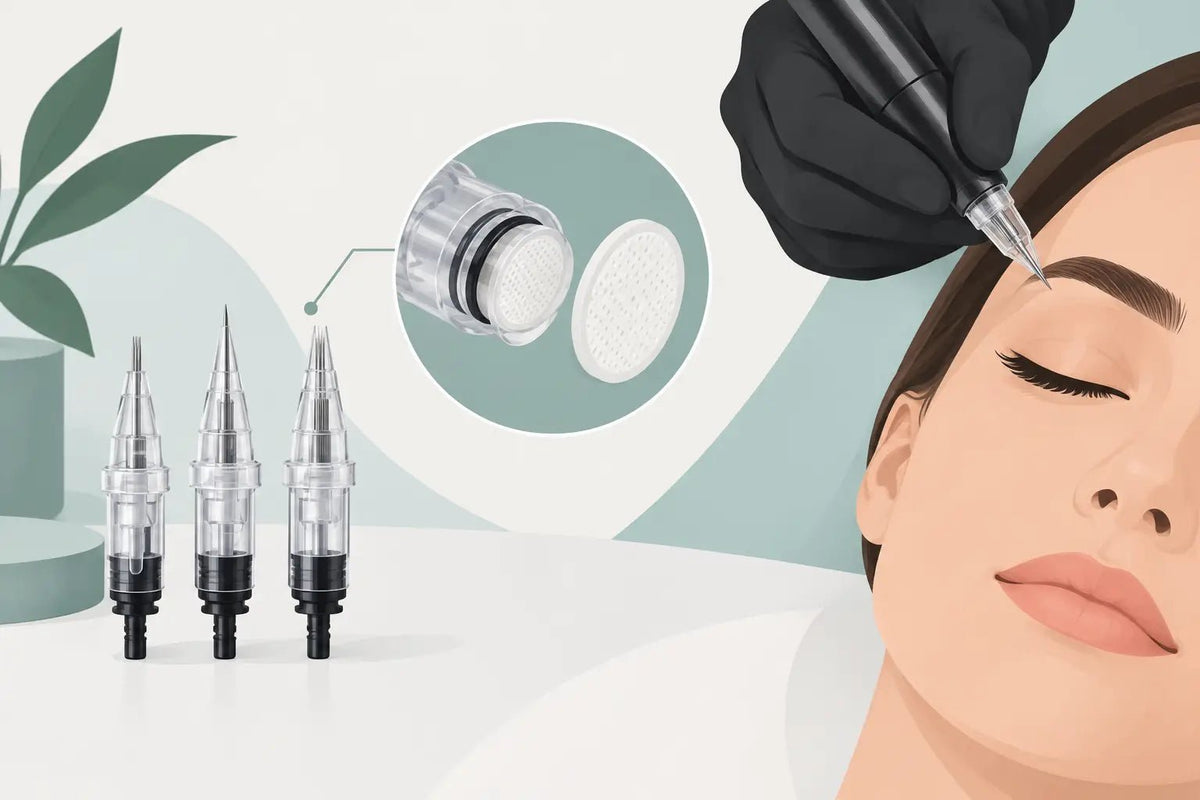
A premium machine cannot compensate for inconsistent cartridges. The cartridge needs to fit securely, run smoothly, and offer reliable needle stability. Universal cartridge compatibility is valuable because it allows you to select the needle configuration that serves the treatment instead of being limited to one proprietary system.
For lip blush, round liner and round shader configurations are common choices, although the best grouping depends on your technique and desired result. Smaller groupings can offer detailed placement around the lip border and cupid’s bow. Larger configurations may help distribute color efficiently across the lip body, but only when you can maintain even pressure, stretch, and overlap.
Needle taper and diameter matter too. A finer needle can support a lighter, more precise effect, while a slightly larger diameter may deposit pigment more efficiently. Neither is automatically superior. Your pigment viscosity, client tissue, machine speed, and intended healed color all influence the right choice.
Prioritize cartridges with a dependable safety membrane and consistent manufacturing. A secure membrane helps protect the machine from fluid backflow, while a stable cartridge minimizes vibration and needle wobble. In a service where healed color can reveal every uneven pass, those details are not minor.
Features That Earn Their Place in a Lip Blush Kit
When comparing machines, focus on features that improve your working control, hygiene workflow, and appointment efficiency. A clear voltage display is useful because it makes repeatable setup easier across appointments. A reliable battery with sufficient runtime prevents an unnecessary mid-service interruption. Replaceable batteries can be especially practical for back-to-back bookings.
Low vibration and low noise are also meaningful. Less vibration supports precision and reduces hand fatigue. A quieter machine can make the service feel more comfortable for clients, particularly those who are nervous about cosmetic tattooing.
Do not buy a machine solely because it has the longest feature list. A complicated display, excessive modes, or multiple accessories will not improve healed results if the machine is awkward to hold or inconsistent under load. For a professional lip blush setup, reliability wins over novelty.
Match the Setup to Your Level and Service Menu
For a newer artist, a dependable rotary pen with a medium stroke, simple controls, and universal cartridge compatibility is usually the smartest investment. It gives you a stable foundation while you refine depth, stretch, pigment selection, and movement. Pair it with high-quality practice materials before using any setup on a live client.
For an established PMU artist, the decision may be about workflow. If your current machine performs well but feels heavy during full lip services, a lighter wireless pen may be a worthwhile upgrade. If you offer brows, lips, and eyeliner, an adjustable-stroke model could reduce the need for separate devices. If you specialize in soft, natural lip blush, prioritize a machine that excels at low-impact, controlled shading rather than raw power.
Your pigments should influence the setup as well. Lip pigments vary in opacity, base tone, and flow. A machine and cartridge combination that works beautifully with one formula may need an adjustment when you switch brands or work on a client requiring neutralization. Always patch test where appropriate, follow pigment instructions, and keep your technique within your training and local regulations.
Do Not Let Speed Override Healed Results
The temptation with lip blush is to look for a machine that packs color quickly. Faster implantation can shorten a procedure, but speed without control often costs more in touch-ups, uneven retention, and client discomfort. The right machine helps you work efficiently because it stays stable and predictable, not because it forces pigment into the skin.
Build your setup around controlled layers, appropriate cartridges, quality lip pigments, proper skin stretching, and strict single-use hygiene. Inkbox Artistry was built by permanent makeup artists for artists, and that artist-first mindset is useful here: choose equipment that supports your actual hand, your treatment style, and the results you want clients to see after healing.
Before committing to a new machine, test its balance, response, and cartridge fit during practice sessions. The machine that feels calm and precise after an hour of detailed lip work is usually the one that belongs in your daily PMU kit.