Brow Pigment Retention Case Study Results
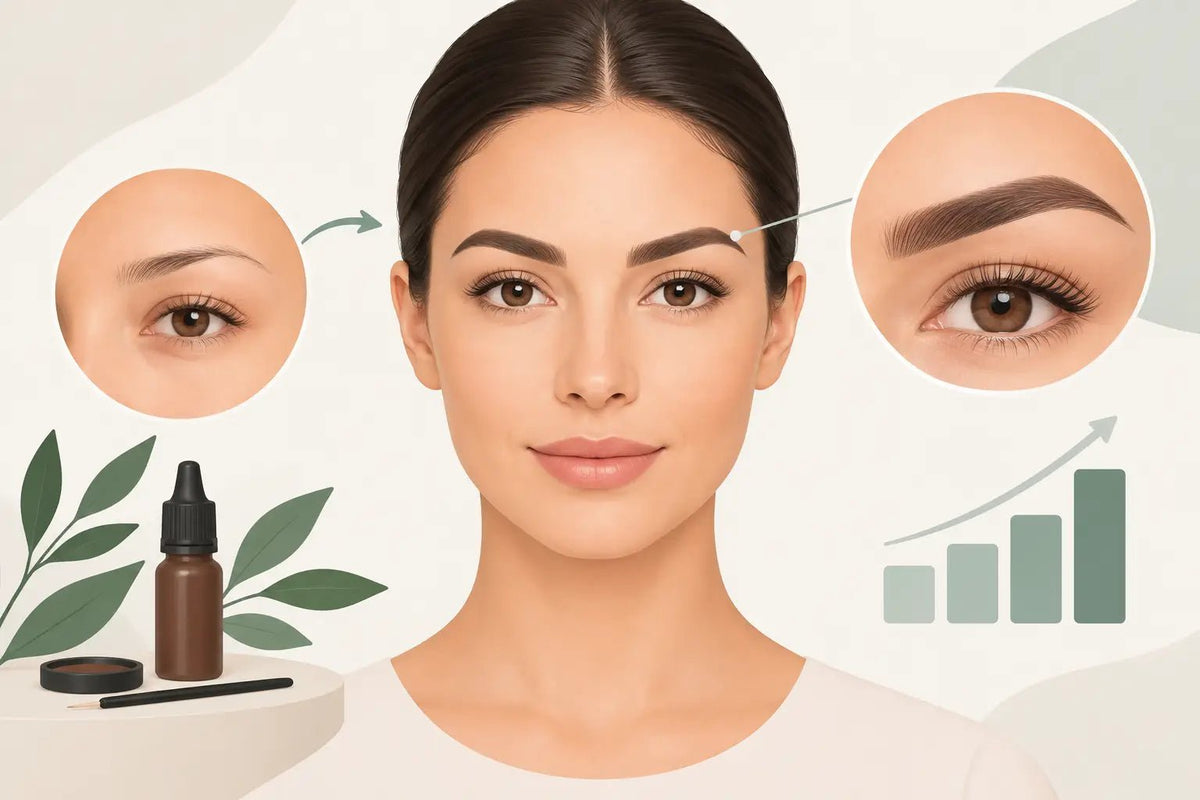
A healed result can look completely different from the appointment-day photo. This brow pigment retention case study follows one realistic powder-brow workflow from consultation through the eight-week perfecting session, with one goal: identify which controllable decisions supported a soft, stable healed result without overworking the skin.
The client was a 38-year-old with previously untreated brows, Fitzpatrick III skin, a normal-to-combination complexion, and moderate oil production through the T-zone. Her natural brow hair was medium brown with a cool ash cast, while her desired result was a fuller, softly defined brow that still read natural between maintenance visits. She had no known contraindications, arrived with intact skin, and followed the pre-care instructions.
This is not a promise that every client will heal the same way. Retention is personal. Skin behavior, immune response, medications, lifestyle, aftercare, and an artist’s hand pressure all affect the final outcome. But documenting cases this closely gives artists a better way to spot patterns than relying on fresh photos alone.
The Treatment Plan Behind the Retention
The consultation began with design, not color. The artist used mapping string and a brow ruler to establish balanced fronts, an elevated but natural arch, and tails that did not extend past the client’s facial structure. The client had a slight asymmetry in brow height, so the goal was visual balance rather than forcing identical measurements.
For color, the artist selected a professional hybrid brow pigment in a neutral medium-brown family with enough warmth to account for the client’s cool natural hair and likely healed shift. A very cool formula may have looked appropriate beside the hair on day one, but could have healed flat or ashy. A strongly warm formula would have risked reading orange against the client’s skin and existing brow hair.
The plan was intentionally conservative: build transparent layers, preserve visible skin texture, and avoid a heavily saturated tail. The artist explained that a first session establishes the foundation. Trying to create a dense, finished makeup brow in one appointment can increase trauma, raise the risk of scabbing, and make the healed result less predictable.
Why the skin assessment mattered
The client’s combination skin did not require treating her as an oily-skin case, but it did change the approach. The artist expected slightly more diffusion and faster fading through the front and upper body of the brow, where natural oil and skincare products tend to travel. That made pixel spacing, depth control, and pigment load more important than simply adding more passes.
The artist also confirmed that the client was not using retinoids, exfoliating acids, or prescription acne treatments around the brow area. This detail matters. A technically clean procedure can still produce uneven healing when active skincare, sun exposure, or picking disrupts the recovery process.
Procedure Notes: What Was Controlled
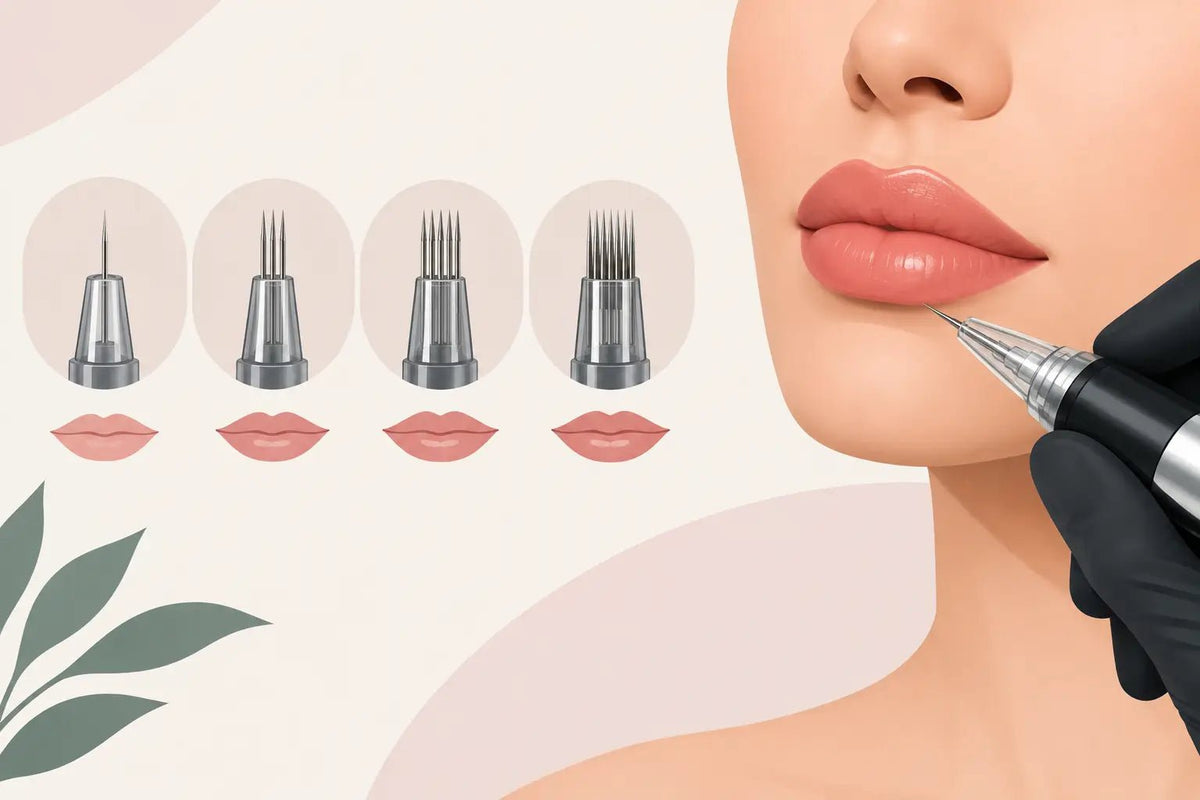
A wireless PMU machine was paired with a sterile universal needle cartridge suited to a soft powder application. The artist worked at a controlled, consistent speed and used light-to-medium pressure rather than chasing immediate darkness. The goal was dermal placement that was even and stable, not deeper placement.
The first pass created a light framework, concentrating on direction and symmetry. After a brief pigment mask, the artist assessed saturation under clean skin rather than judging color through excess surface pigment. The second pass added density primarily from the arch through the tail, with a lighter hand at the fronts.
Only a limited number of passes were used. This is one of the most practical findings in the case. More passes do not automatically equal better brow pigment retention. Once the skin becomes visibly irritated, swollen, shiny, or weepy, the artist has less control over implantation. Continuing to work can create a result that looks bold fresh but heals patchy, blurry, or unexpectedly cool.
The client’s skin stayed responsive throughout the service. There was mild, expected redness but no significant swelling, excessive fluid, or visible signs of over-saturation. The artist stopped when the brows had a balanced powder effect, not when they matched the darkest reference photo in the consultation.
Healing Timeline and Client Compliance
The client left with clear aftercare instructions: keep the area clean, avoid unnecessary moisture and friction, do not pick or scrub flaking skin, and pause sweating, swimming, sun exposure, and active skincare as directed. She was also advised to avoid applying makeup directly over the brows while the skin was healing.
At day three, the client reported mild tightness and a noticeable darkening of the brow color. At day five, fine flaking began evenly across both brows. There was no heavy scabbing. By day nine, most flakes had released naturally, and the familiar “too light” phase appeared. This stage can concern clients, especially when they compare it to their fresh brows, but it is not the right time to judge the final retention.
At week four, the color had resurfaced into a soft medium brown. The fronts were airy and natural, while the tails retained enough definition to support the client’s desired shape. The left brow, which had slightly more active oil production and a less dense natural hair pattern, healed marginally lighter through the upper arch.
That small difference was valuable information. It did not mean the original pigment had failed or that the artist needed to switch the entire color family. It showed where the perfecting session should be targeted: a measured increase in density through the left upper arch and a subtle reinforcement of both tails.
Brow Pigment Retention Case Study: Eight-Week Result
At the eight-week appointment, the artist documented the healed brows before making any changes. Approximately 70 to 75 percent of the intended visual density remained, with even color distribution and no obvious gray, red, or muddy shift. The healed tone looked slightly cooler than the fresh application, as expected, but remained compatible with the client’s natural hair.
The perfecting session was lighter and more selective than the initial appointment. Instead of repeating the full procedure at the same intensity, the artist added targeted pixels to the areas that had healed softer. The fronts required minimal work. The left upper arch received the most attention, and both tails received a controlled layer to improve longevity without creating a blocky finish.
The strongest result was not maximum darkness. It was consistency. The client retained a polished brow shape while still having the flexibility to add makeup for a more dramatic look. For many clients, that is the better long-term outcome because it avoids the cycle of aggressively correcting an over-saturated first session.
What Actually Supported Better Retention
Several decisions worked together in this case. The neutral pigment selection accounted for the client’s undertone and anticipated healing shift. The light, layered application minimized trauma. Consistent cartridge performance helped the artist maintain even pixel placement, while thoughtful aftercare reduced the chance of premature pigment loss.
Just as important, the artist treated the touch-up as part of the service plan rather than evidence of a failed first appointment. Brows are not a one-size-fits-all procedure. Mature skin, very oily skin, scar tissue, previous cosmetic tattooing, and clients with high sun exposure may require a different pigment strategy, machine setting, or expectation around retention.
Artists should also avoid turning a single healed case into a universal rule. A pigment that heals beautifully in normal-to-combination skin may need adjustment for a client with pronounced oiliness. Likewise, a technique that creates a delicate front on one client may heal too soft on another. Consistent photo documentation, skin notes, pigment records, needle configuration, and follow-up observations are what make a case study useful over time.
Build a Retention Record You Can Use
For each brow procedure, record the client’s skin type, relevant skincare, natural hair color, previous pigment history, chosen formula, machine and cartridge configuration, number of passes, fresh photos, and healed photos in similar lighting. Over a series of clients, those notes become a working reference for your own technique.
For artists building a dependable PMU setup, Inkbox Artistry carries the professional pigments, cartridges, mapping essentials, and disposable supplies that support this level of consistency. Product quality will not replace technical judgment, but dependable tools remove unnecessary variables from the room.
The most useful takeaway from this case is simple: retention is earned before the pigment ever touches the skin. Assess carefully, choose color with healing in mind, work with restraint, and let the healed result guide the perfecting session.