Microbeau Machines for Precise PMU Work
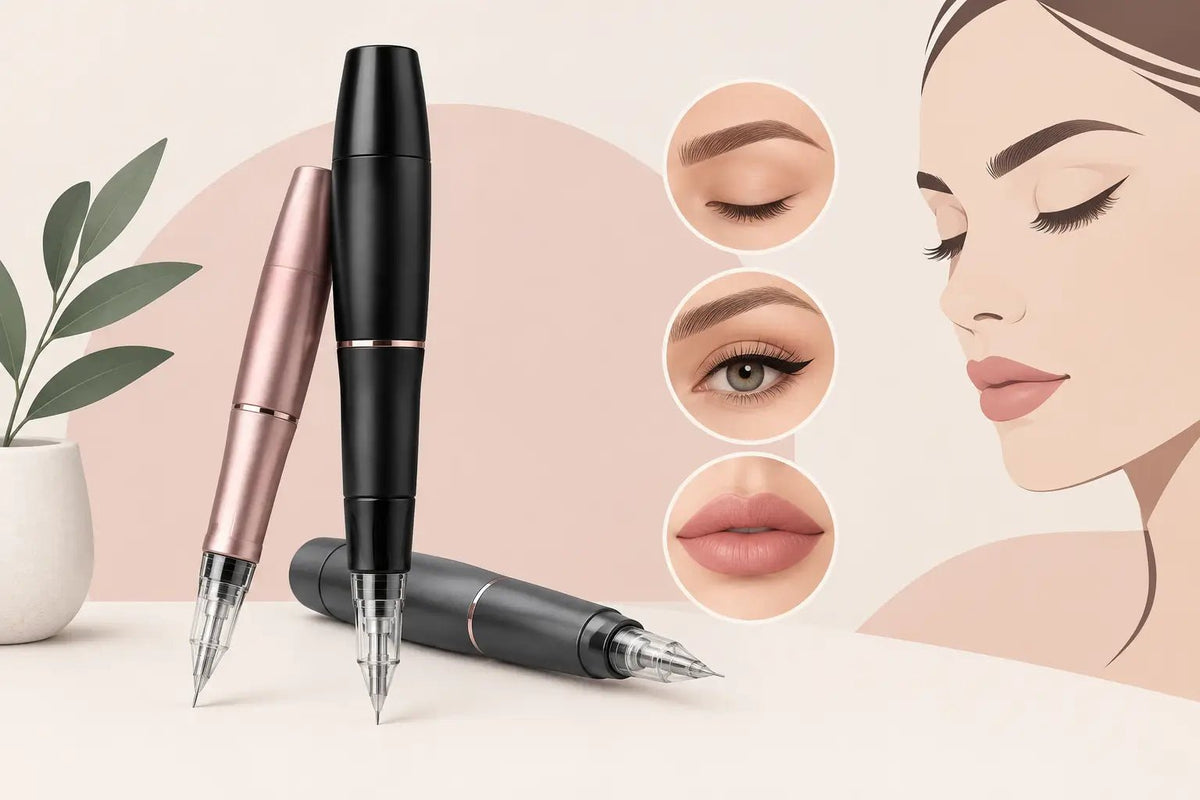
A machine can feel excellent in your hand and still be the wrong choice for the treatment in front of you. Microbeau machines are widely recognized in permanent makeup because they are built around the details artists feel during every pass: balance, vibration, needle response, speed control, and reliable daily performance. The right setup supports your technique. It does not replace it.
For artists refining their kit or replacing an older device, the decision should start with treatment demand rather than hype. Brow hairstrokes, powder brows, lip blush, and eyeliner all ask different things from your hand, cartridge selection, and machine configuration. Knowing where a machine fits into your workflow helps protect your results, your pace, and your client experience.
Why Microbeau Machines Stand Out in PMU
Permanent makeup is not a one-speed service category. Facial skin varies from client to client, and the working area can be delicate, curved, dense, or reactive. A machine needs to give the artist controlled pigment implantation without making the hand work harder than necessary.
Microbeau machines are designed with cosmetic tattooing in mind, which matters when precision takes priority over raw power. Artists often look for a controlled, consistent feel that supports clean entry, predictable needle movement, and comfortable maneuvering through detailed procedures. That can be especially valuable around the lip border, throughout fine brow work, and when building eyeliner with careful saturation.
Machine performance also affects how confidently you can stay focused on the skin. Excessive vibration, awkward weight distribution, or inconsistent output can pull attention away from stretch, angle, and depth. A well-matched professional machine becomes part of the artist's hand, allowing technique to remain the center of the procedure.
That said, no single machine is automatically best for every artist. Hand pressure, speed, preferred cartridge configuration, and the type of healed result you pursue all influence the right choice. An artist who specializes in soft powder brows may prefer a different response than an artist whose calendar is built around lip blush and corrective work.
Match the Machine to Your Treatment Menu
Before comparing features, look at the services you perform most often. Your primary treatment menu should carry more weight than a machine's appearance or what is popular on social media.
Brows: Detail, Pixelation, and Skin Respect
For brows, artists need controlled movement that supports clean pixel placement and a soft, even build. Whether you create ombré brows, machine hairstrokes, or a combination brow, the machine must allow you to adapt to skin texture without forcing pigment into the skin.
Machine hairstrokes demand particularly thoughtful control. The goal is not simply to make a crisp line during the appointment. It is to place a stroke that has the best possible chance of healing with definition while respecting the skin. Cartridge diameter, taper, hand speed, voltage, and depth all work together here. A high-quality machine is only one part of that equation, but it gives a trained artist a more consistent platform.
Lips: Smooth Saturation Without Overworking
Lip blush requires rhythm. Artists move between outlining, shaping, building color, and creating soft saturation across a mobile surface. A comfortable machine with predictable output can reduce fatigue during longer lip appointments and help maintain consistency from the first pass to the last.
The best setup for lips depends on your approach. Some artists favor a lighter hand and gradual layering, while others work with techniques that call for more direct saturation. Rather than chasing a universal voltage recommendation, follow your training, assess the client's tissue response, and adjust methodically. Healthy skin behavior should always guide the service.
Eyeliner: Precision in a Sensitive Area
Eyeliner leaves little room for rushed decisions. The lid is small, sensitive, and highly visible, so stability matters as much as machine capability. A lightweight, balanced setup can help with controlled movement, especially for lash enhancement work and fine wing details.
For eyeliner, it is worth being selective about your cartridge choice and confirming compatibility before service. Use only sterile, single-use cartridges from a trusted professional source, and maintain the barrier practices required by your local regulations and bloodborne pathogen training. Premium equipment supports a professional setup, but safe technique and proper cross-contamination control remain non-negotiable.
What to Compare Before You Buy
A machine purchase should make your work more efficient, not create a new set of compromises. When evaluating Microbeau machines, focus on the features that affect your actual treatment day.
Wireless operation can simplify station setup and reduce cord drag, which many artists appreciate when moving around the client or working from a compact studio space. However, battery performance is only useful if it suits your booking schedule. Consider how many procedures you typically complete in a day, whether you have backup power available, and how you will manage charging between appointments.
Weight and grip shape deserve just as much attention. A machine that is too heavy for your hand may contribute to fatigue during lengthy lip sessions or detailed brow work. On the other hand, an ultra-light option may feel less grounded to an artist who prefers a more substantial grip. If possible, base your choice on the way you naturally hold and move a machine, not on another artist's preference.
Output settings and stroke characteristics should be viewed through a PMU lens. The goal is controlled pigment placement appropriate for the skin and technique, not maximum force. Review the manufacturer's specifications for the exact model you are considering, then align those details with the education you have received. If you are new to a machine style, practice on appropriate materials before using it in a paid client service.
Finally, confirm cartridge compatibility. Universal-style cartridge systems can make sourcing easier, but compatibility does not mean every cartridge will feel identical. Needle quality, membrane construction, grouping, taper, and fit can all influence the session. Consistency comes from choosing professional cartridges you trust and avoiding unnecessary changes to your setup mid-season.
Build a Reliable Working System
A premium machine performs best within a disciplined workflow. Keep your power management, cartridge selection, pigments, topical anesthetic protocol, and disposal process organized before the client arrives. When your station is predictable, you have more mental space for design, skin assessment, and communication.
For high-volume artists, a backup plan is essential. That can mean keeping a second compatible machine, extra charged battery components when applicable, or a dependable wired option ready for use. Equipment issues are rare, but a client should never have to experience your contingency planning in real time.
Routine care also matters. Follow the manufacturer's cleaning and maintenance instructions precisely. Use appropriate barrier protection during every procedure, avoid allowing pigment or moisture to enter areas not intended for exposure, and inspect your device before service. If a machine begins to perform differently, do not work around the problem. Pause, troubleshoot according to the manufacturer guidance, and service or replace components as needed.
Choosing With Your Growth in Mind
An emerging artist may need a machine that feels approachable and dependable while they build speed and confidence. An experienced artist may be looking for a second setup dedicated to a treatment category, a lighter wireless workflow, or a device that better matches an evolved technique. Both are valid reasons to invest, as long as the purchase is connected to real working needs.
At Inkbox Artistry, the focus is on professional tools selected by permanent makeup artists for artists. That perspective matters because a machine is never an isolated purchase. It is part of a complete system that includes pigments, cartridges, mapping supplies, PPE, aftercare, and the standards you bring to every appointment.
Choose the machine that helps you work with more control, not more bravado. When your equipment supports your training and your technique, clients notice the difference in the details that matter most: a calm appointment, careful application, and results you are proud to stand behind.