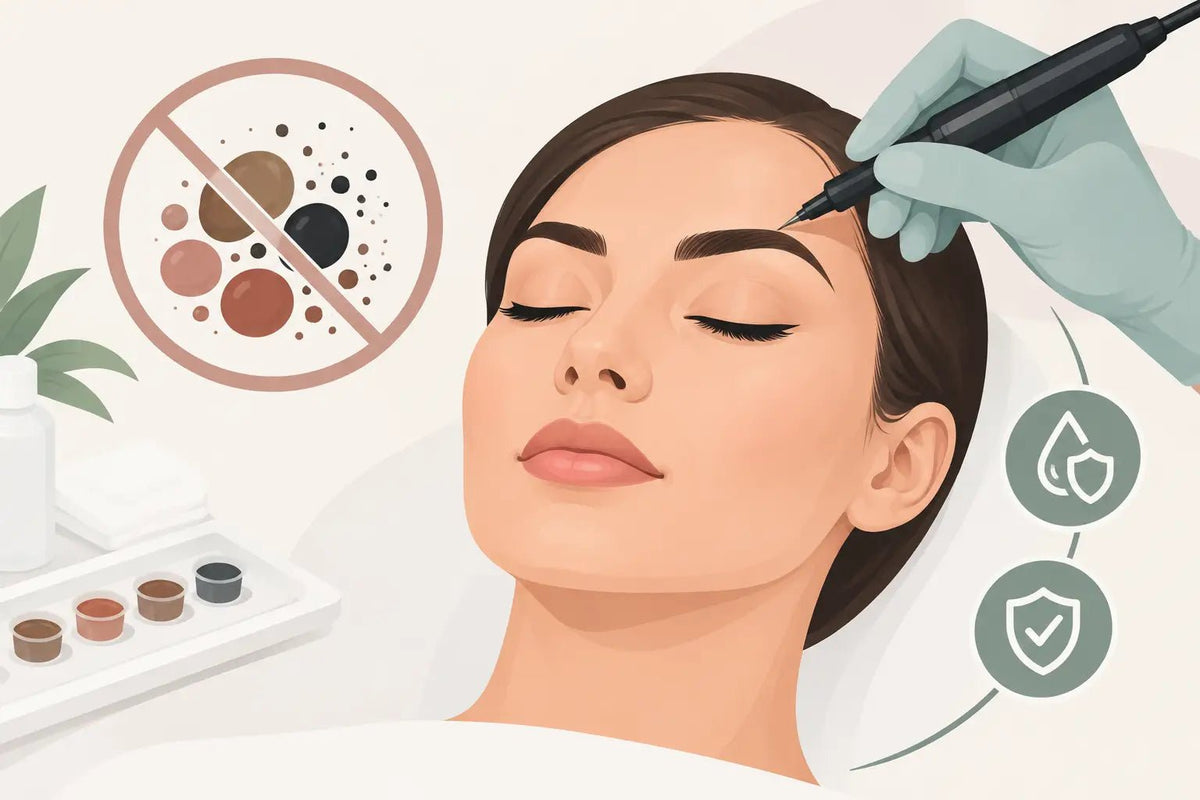
Microbeau Machine Review: Is It Worth It?
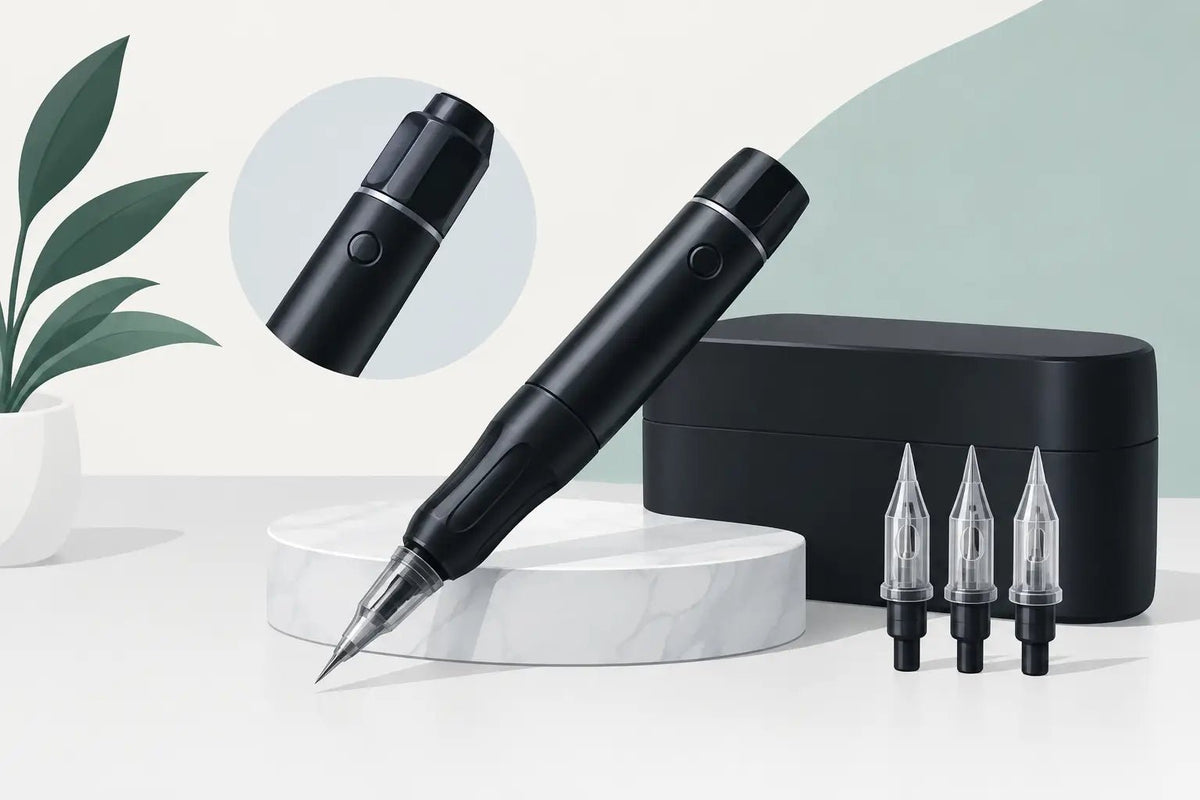
A machine can look premium on a tray and still feel wrong halfway through a dense powder brow. For working artists, this Microbeau machine review comes down to the things that show up in real appointments: balance, consistency, needle control, client comfort, and whether the machine supports your technique rather than forcing you to adjust it.
Microbeau has earned a strong reputation in the permanent makeup category because its machines are built around cosmetic tattooing workflows, not simply adapted from conventional body tattoo equipment. That distinction matters when you are creating fine hairstrokes, soft pixel shading, crisp lip borders, or controlled eyeliner work where a small change in hand pressure can affect the healed result.
What Makes Microbeau Different for PMU?
Microbeau is part of the FK Irons family, and its machine lineup is familiar to artists who want polished engineering with an intentionally PMU-focused feel. Across popular options such as the Xion S and Flux S Max, the core appeal is controlled performance in an ergonomic pen-style format.
The brand’s machines tend to feel refined in the hand. Weight distribution is a major part of that. A well-balanced machine reduces the urge to grip too tightly, which can make a meaningful difference during back-to-back brow and lip appointments. Artists who struggle with hand fatigue may appreciate a machine that feels stable without being bulky.
Microbeau also appeals to professionals who value a recognizable, established machine brand in their kit. For studios and trainers, that can simplify education. Students can learn on equipment designed for PMU applications, while experienced artists can maintain more consistent setup standards across their team.
That said, premium positioning does come with a premium price point. A Microbeau machine is usually not the most economical first purchase for an artist still practicing on latex and building foundational technique. It makes more sense when you already understand the needle groupings, pigments, and hand speed that suit your work.
Microbeau Machine Review: Performance in Real Treatments
The most useful way to assess any PMU machine is by treatment type. No machine creates good work on its own, but its responsiveness can either support or complicate the method you have trained in.
Brows: Fine Detail and Soft Saturation
For nano brows and hairstroke work, artists generally want a machine that responds quickly to subtle changes in hand movement without feeling overly aggressive in the skin. Microbeau machines are often favored for their controlled delivery and comfortable maneuverability. The pen-style body supports a natural grip, particularly for artists who work with a light hand and prioritize clean, intentional strokes.
For powder brows and ombré shading, the same control helps with gradual saturation. You can build density strategically rather than rushing to pack color into the skin. This is especially useful around the bulb and upper border, where an overly forceful machine or heavy hand can create a result that heals denser than intended.
Machine settings, cartridge choice, stretch, skin condition, and pigment viscosity still matter. A premium machine cannot compensate for poor depth control. It can, however, give a skilled artist a more predictable tool for executing a consistent technique.
Lips: Comfort, Movement, and Even Color
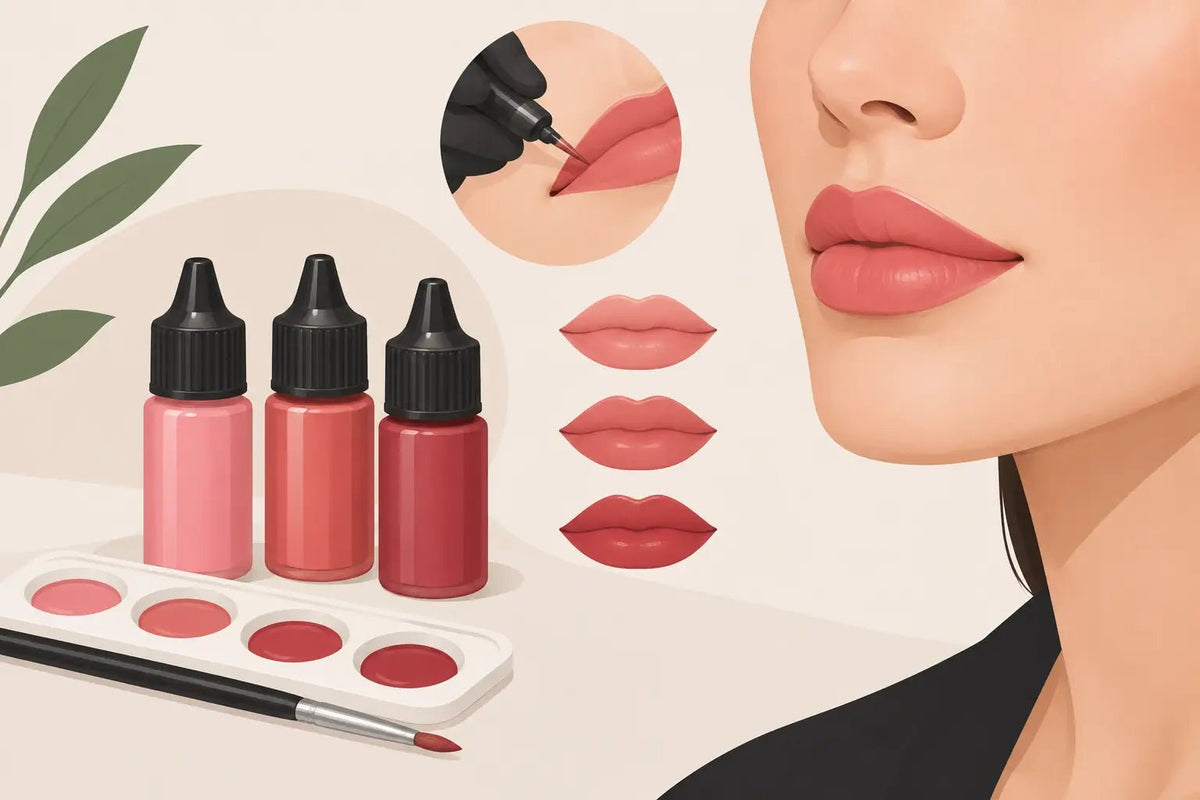
Lip blush demands patience and a machine that remains comfortable through multiple passes. The lip tissue is mobile, and artists need to work with clean, controlled movements while watching for swelling and changes in the skin’s response.
Microbeau’s ergonomic design is a practical advantage here. When your hand remains relaxed, it is easier to maintain even pixel placement and avoid overworking small areas. A stable machine can also make it easier to transition from crisp border work into soft interior saturation without changing your entire grip.
Wireless models are particularly convenient for lips because there is no cord pulling across the treatment area or catching on an armrest. The trade-off is that battery-powered setups add weight at the rear of the machine. Some artists love the freedom; others prefer the lighter, more familiar balance of a wired setup. Neither preference is wrong. It depends on how you hold your machine and how long your average appointments run.
Eyeliner: Precision Requires More Than a Fine Cartridge
Eyeliner is where artists often become very particular about machine feel. The eye area allows little room for hesitation, and even a high-quality cartridge cannot replace disciplined depth, skin tension, and client positioning.
A Microbeau machine can provide the steady handling needed for detailed eyeliner work, but it should be paired with a configuration you have practiced extensively. If you are newly trained in eyeliner, do not assume a machine upgrade is the next step. Focus first on your stretch, mapping, pass count, and ability to recognize when the skin has received enough work.
Wired vs. Wireless Microbeau Options
Choosing between a traditional RCA-style setup and a wireless machine is one of the biggest purchasing decisions in this category. Microbeau offers options that accommodate both workflows.
A wired setup can be ideal for artists who already have a reliable power supply, prefer a lighter pen body, and want uninterrupted control over their workspace. It can also be a practical studio choice when multiple artists share equipment systems or when long sessions are common.
Wireless machines offer a cleaner station and more freedom of movement. They are especially attractive for mobile artists, educators, and professionals who want to minimize cords around the client chair. Features such as digital voltage control and battery management can make setup feel faster, though they also require attention to charging routines and backup power planning.
Before choosing wireless, think beyond convenience. Consider whether the battery weight changes your preferred hand position, whether you have a charged backup available, and whether your treatment schedule leaves time to recharge between clients. The best machine is the one that fits your actual workday, not just your ideal setup photo.
Cartridges, Stroke, and Setup Compatibility
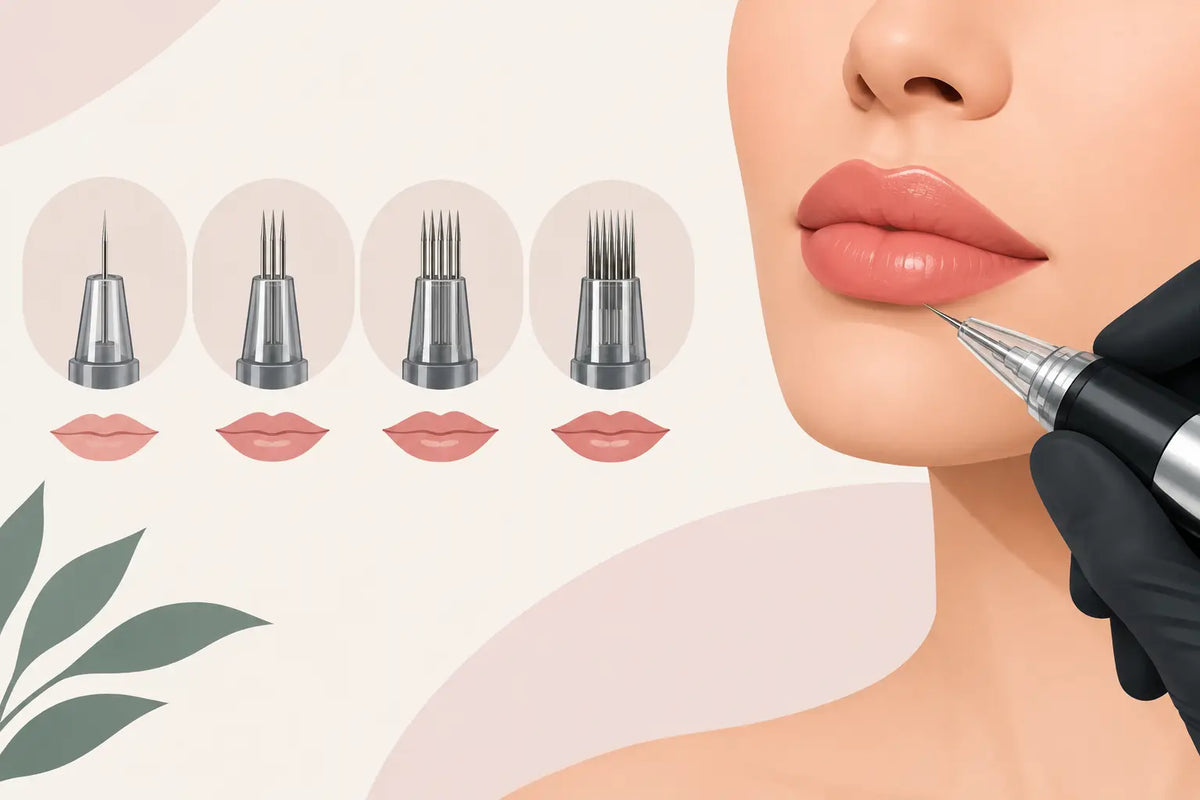
A machine is only one part of the system. Cartridge quality and compatibility have a direct effect on pigment flow, vibration, visibility, and how confidently you can work at your preferred speed. Use professional universal needle cartridges that fit securely, operate smoothly, and are appropriate for the service you are performing.
Artists should also pay attention to stroke characteristics and voltage range rather than copying another technician’s settings. A setup that produces beautiful airy powder brows for one artist may feel too soft or too slow for another. Skin type, cartridge taper, needle diameter, pigment formulation, and hand speed all change the equation.
The practical approach is to create a repeatable baseline. Test your preferred cartridge configurations on practice skin, document the settings that support each treatment, then refine those settings through supervised experience and healed-result reviews. This process is more valuable than chasing a single “perfect” voltage.
Who Should Invest in a Microbeau Machine?
Microbeau is a strong fit for established PMU artists who want a premium machine with a professional reputation and a purpose-built cosmetic tattoo focus. It is also a logical option for trainers who need equipment that feels credible in a classroom and supports a wide range of brow, lip, and eyeliner techniques.
For newer artists, the decision is more nuanced. If your training is solid, you are actively taking models, and you want a machine that can grow with your services, investing early may be reasonable. If you are still deciding whether brows, lips, or eyeliner will become your core specialty, it may be smarter to prioritize quality cartridges, pigments, sanitation supplies, and continued education before moving into a higher-priced machine platform.
Studio owners should consider service volume and standardization. Equipping a team with dependable machines can help create a more consistent artist experience, but every technician should still be trained to use the setup safely and correctly. Premium equipment supports standards. It does not replace them.
The Bottom Line for Working Artists
Microbeau machines are not positioned as entry-level tools, and that is reflected in their cost. Their value is in the overall experience: refined ergonomics, reliable professional appeal, and performance designed around the detailed demands of cosmetic tattooing. For artists who already have technical foundations and want a machine that feels intentional in the hand, the investment can be justified.
When building or upgrading your setup, source the machine alongside the cartridges, pigments, PPE, mapping supplies, and aftercare your services require. Inkbox Artistry is built by permanent makeup artists for artists, with the professional categories needed to keep that workflow organized.
Choose the machine that matches your technique, then give yourself enough practice time to learn its response. Your best results will come from a setup you can use calmly, consistently, and confidently from the first pass through healed-result follow-up.