Why PMU Pigments Fade and What Artists Control
A client returns for a color boost and says, “My brows disappeared.” Before assuming the pigment failed, look at the full treatment equation. Understanding why PMU pigments fade helps artists set realistic expectations, choose pigment systems with intention, and identify where retention may have been lost - during the procedure, healing, or long after the appointment.
Fading is not one single problem. It is the expected result of the body processing implanted pigment over time, influenced by skin behavior, implantation technique, pigment formulation, lifestyle, and aftercare. The goal is not to promise permanent color. The goal is controlled, predictable fading that leaves the client with a soft, wearable result and a clear maintenance plan.
Why PMU Pigments Fade: The Biology Behind Retention
PMU pigment is placed in the upper dermis, where the body recognizes the particles as foreign material. Over time, macrophages and other immune processes gradually break down, move, or contain those particles. That process is normal, and it is one reason cosmetic tattooing is designed to soften rather than stay dense and unchanged forever.
The skin itself is constantly renewing. While pigment should not be placed in the epidermis, the healing environment above the implant still affects how much color remains after the first treatment. Excessive exfoliation, inflammation, disrupted scabbing, and poor barrier recovery can all reduce visible retention.
Individual skin chemistry matters too. A client with healthy, balanced skin may retain a healed brow differently than a client with very oily skin, chronic inflammation, frequent active skincare use, or a history of unpredictable tattoo healing. Artists should avoid treating retention as a universal promise. Two clients can receive the same pigment, machine, needle configuration, and aftercare instructions, then heal with noticeably different outcomes.
Implantation Depth Can Make or Break the Result
Depth is one of the most common technical reasons for poor pigment retention. Implant too shallow, and much of the work may leave with the healing skin. Implant too deep, and the pigment can heal cooler, blur, migrate, or lose the crisp, refined appearance the client expected.
The right depth is not a fixed number. It changes with skin thickness, area of the face, client age, hydration, tissue quality, and technique. A brow stroke on thin, mature skin requires a different hand than shading on resilient, oilier skin. The same applies to lips, where mucosal tissue, vascularity, and pre-treatment condition can affect both saturation and healing.
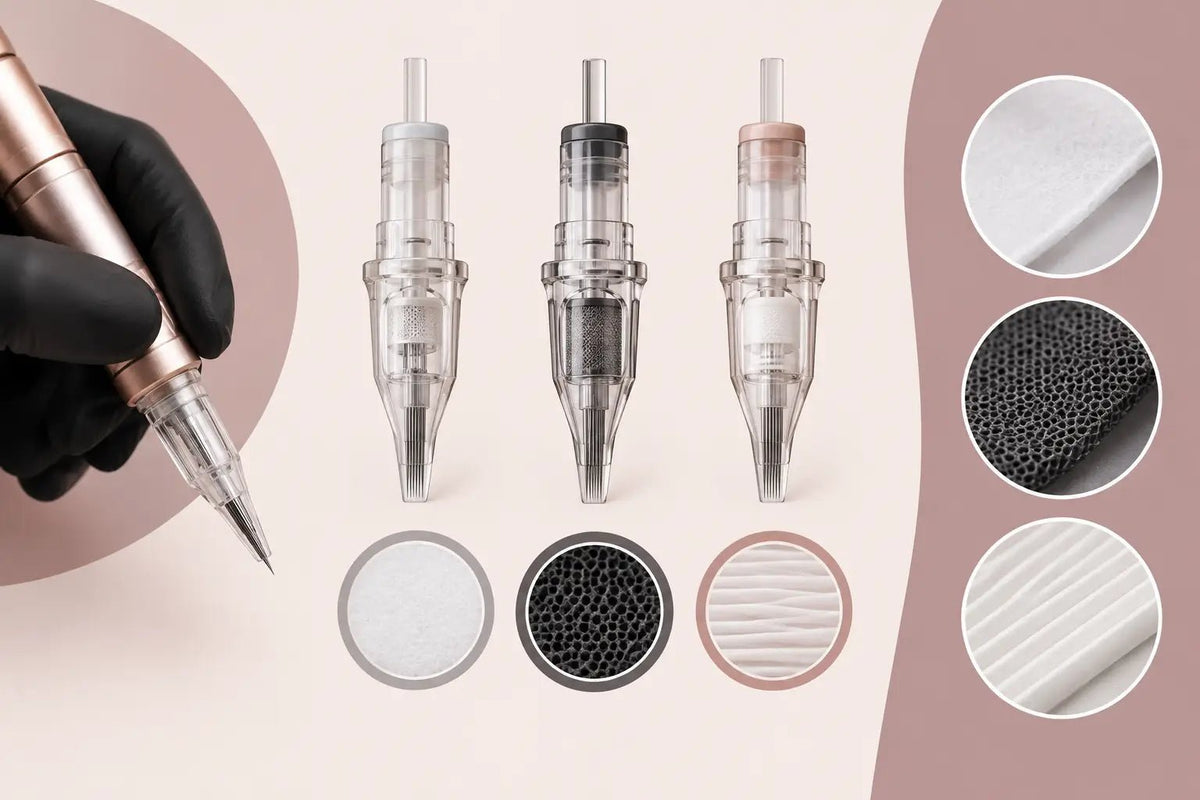
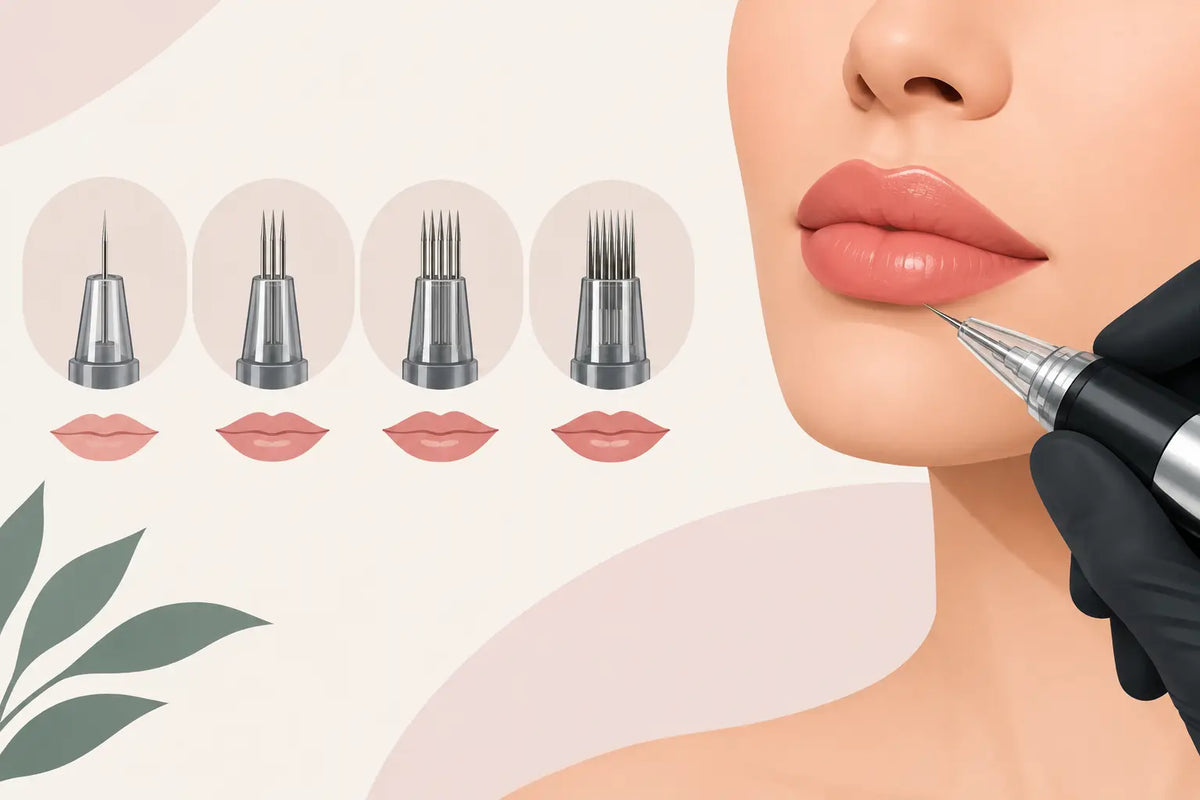
Pressure, speed, hand velocity, needle hang, and machine performance all work together. A machine that is inconsistent or poorly matched to the artist’s technique can create uneven implantation even when the design and pigment choice are strong. Reliable equipment and quality needle cartridges are not just workflow upgrades. They support consistent depth, cleaner passes, and a more controlled healing result.
Overworking is the other side of the depth issue. When skin becomes overly traumatized, it can swell, weep, and form thicker scabbing. More passes do not automatically mean more retention. Often, a deliberate approach with proper stretch, clean needle movement, and respect for the skin produces a better healed result than repeated attempts to force saturation.
Pigment Formulation and Color Selection Matter
Not all PMU pigments fade the same way because not all pigments are built the same way. Particle size, carrier system, organic and inorganic composition, concentration, and colorant balance influence how a pigment implants, heals, and ages.
Inorganic pigments are often known for softer, more muted healed results, while organic pigments may offer stronger initial brightness or saturation. Hybrid lines combine characteristics of both. None of these categories is automatically better. The right choice depends on the treatment, desired healed effect, client skin, existing work, and the manufacturer’s intended use for that shade.
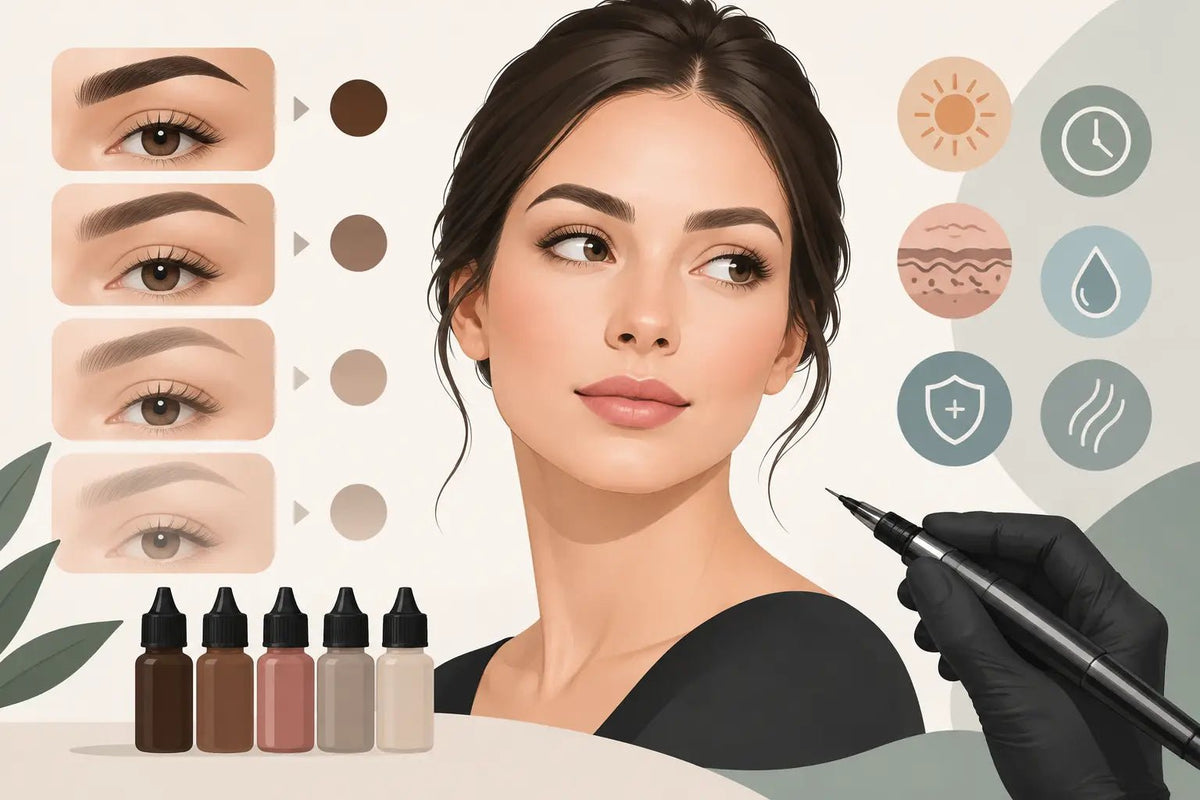
For brows, choosing a pigment only by how it looks in the bottle is a mistake. The client’s undertone, natural brow hair, Fitzpatrick type, skin condition, and previous tattoo all matter. A pigment that looks beautifully neutral when fresh may heal too warm, cool, or muted if it is not selected with the skin canvas in mind.
Lip work brings a different set of variables. Melanin-rich lips, cool-toned lips, uneven natural tone, and darker vermilion borders may require a carefully planned neutralization strategy before a target color can be achieved. If the correction step is skipped or rushed, the healed color may look less vibrant than expected - not because the pigment simply faded, but because the underlying lip tone is still influencing the result.
Always work within the pigment brand’s guidance, including recommended mixing practices, expiration dates, storage requirements, and treatment suitability. Professional pigment systems are developed as complete formulations. Improvised mixing across unrelated lines can make healed behavior harder to predict.
Healing Habits Can Reduce Visible Color
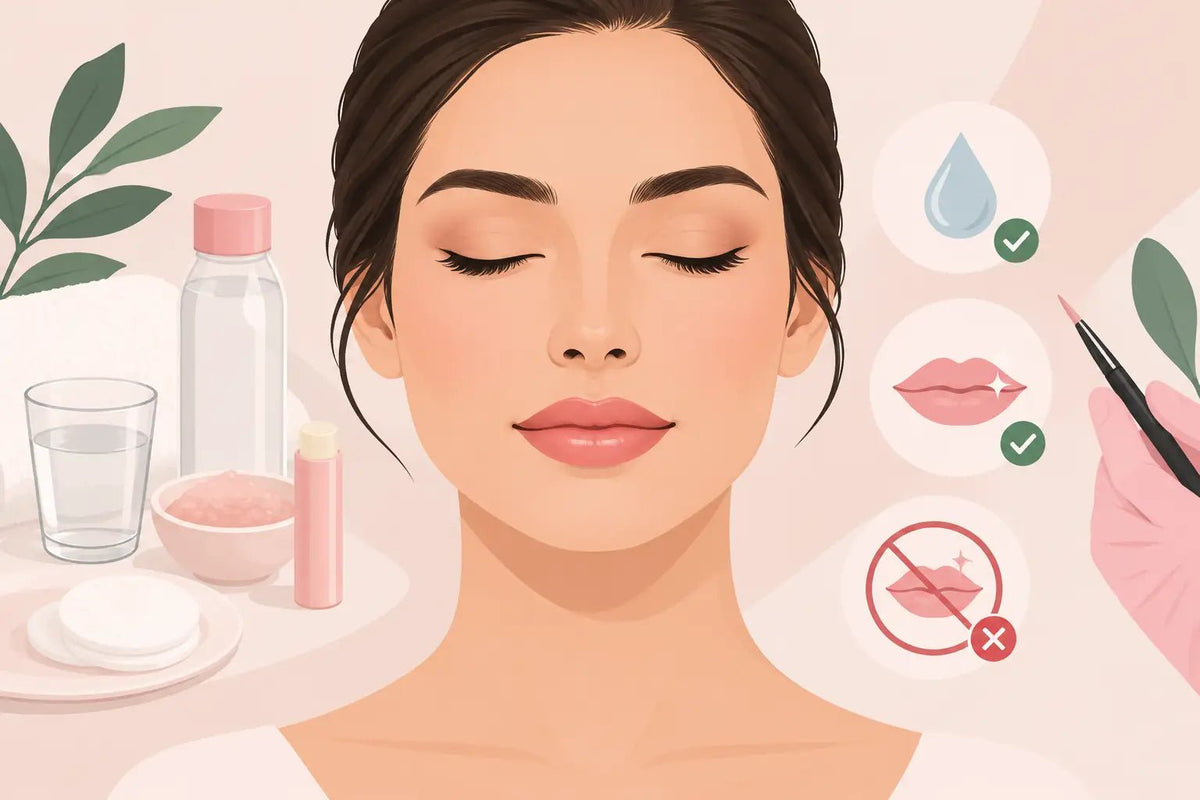
The first two weeks are when clients can either protect the work or unintentionally compromise it. Picking, peeling, soaking, sweating excessively, using makeup too early, and applying unapproved products can all interfere with healing.
Sun exposure is a major long-term factor as well. UV light can contribute to fading and color change, especially on brows and lips that are exposed daily. Once the area is fully healed, regular sun protection is part of maintaining cosmetic tattoo results. Clients who tan frequently, use tanning beds, or spend significant time outdoors may need color boosts sooner.
Active skincare is another frequent culprit. Retinoids, exfoliating acids, benzoyl peroxide, brightening treatments, and aggressive facial services can accelerate visible fading around the brow area. This does not mean clients must avoid skincare forever. It means artists should include clear guidance about when to pause actives before treatment, when to reintroduce them after healing, and how close they should be applied to tattooed skin.
For lips, smoking, frequent sun exposure, dehydration, and chronic dryness can make color appear less even over time. Clients prone to cold sores also need a pre-treatment discussion with an appropriate medical provider, since an outbreak can affect healing and retention.
Some “Fading” Is Actually a Color Shift
When a client says their PMU faded, ask whether the color became lighter, whether the tone changed, or whether the tattoo now looks less defined against their current skin and hair color. These are different concerns with different causes.
A true loss of saturation may point to shallow implantation, skin type, healing disruption, or normal immune clearance. A warm, cool, gray, red, or ashy appearance may indicate pigment selection, residual old tattoo, depth variation, or color theory issues. A brow that looks lighter after a hair-color change or seasonal tanning may not have lost much pigment at all - the visual contrast has changed.
Documenting fresh work, immediate post-treatment color, and healed results at follow-up gives artists better information than memory alone. Consistent photos, lighting, client notes, and pigment records help reveal patterns across treatments. If one artist sees repeated weak retention across many clients, it is worth reviewing technique, needle selection, machine setup, and product handling before blaming client skin.
Build Retention Into the Consultation
Strong retention begins before the first pass. Ask about previous PMU, skincare, medications, sun habits, skin oiliness, autoimmune conditions, pigment allergies, and relevant healing history. Follow your local regulations and professional protocols, and know when a client needs medical clearance or should postpone treatment.
Then explain the maintenance reality clearly. Most clients need a perfecting session after the initial procedure, and future color boosts are normal. Brow, lip, and eyeliner longevity varies significantly, but clients should understand that cosmetic tattooing is a service with a lifecycle, not a one-time color guarantee.
At Inkbox Artistry, artists can source professional pigment lines, dependable cartridge options, mapping tools, aftercare essentials, and the daily consumables that support a consistent treatment setup. Product quality cannot replace trained technique, but working with professional-grade supplies removes unnecessary variables from the process.
The best client conversations do not sell permanence. They sell expertise: a tailored color plan, thoughtful technique, careful healing guidance, and a maintenance schedule built around how that individual skin actually behaves. That is how fading becomes manageable instead of disappointing.