Lip Blush Preparation That Protects Your Results
A beautiful healed lip blush result is rarely decided by pigment alone. Lip blush preparation shapes how comfortably the client sits, how predictably the skin responds, and how well your carefully selected color retains through healing. For working PMU artists, a clear pre-care system is not an optional extra. It is part of a treatment standard that protects the client experience and your reputation.
Lip Blush Preparation Begins at Consultation
The consultation is where preparation becomes personalized. Every client should be screened for their health history, current medications, prior lip treatments, lifestyle factors, and desired healed result before an appointment is confirmed. This is also the time to review realistic expectations. Lip blush can restore definition, balance uneven tone, and create the appearance of soft color, but it will not perform like opaque lipstick.
Ask specifically about previous cosmetic tattooing, lip filler, cold sore history, allergies, active skin conditions, and recent procedures around the mouth. A client with old lip tattoo work may need a different color plan, a correction strategy, or a test spot before proceeding. Clients with highly pigmented lips may require neutralization sessions before their target shade is achievable.
Document everything with a detailed consent form, medical questionnaire, reference photos, and signed acknowledgment of pre-care and aftercare instructions. If a client is unsure about a medication, condition, or antiviral recommendation, refer them to their prescribing provider or physician. Artists should never advise a client to stop prescribed medication.
Know When to Reschedule
A well-run schedule has room for reschedules. Treating compromised lips can lead to unnecessary discomfort, uneven saturation, poor retention, and a healing process that neither you nor the client wants to manage.
Postpone the service if the client arrives with chapped, cracked, sunburned, actively irritated, or infected lips. The same applies when there is an active cold sore, a fresh wound, or any unexplained lesion in the treatment area. Recent dental work can also leave the lips and surrounding tissue sensitive, so give the area adequate time to settle.
Policies on pregnancy, breastfeeding, certain health conditions, and medication restrictions vary by state, insurer, and studio protocol. Follow your local regulations, insurance requirements, and manufacturer guidance, and communicate your policy before booking. Clear boundaries feel professional, not restrictive.
The Week Before the Appointment
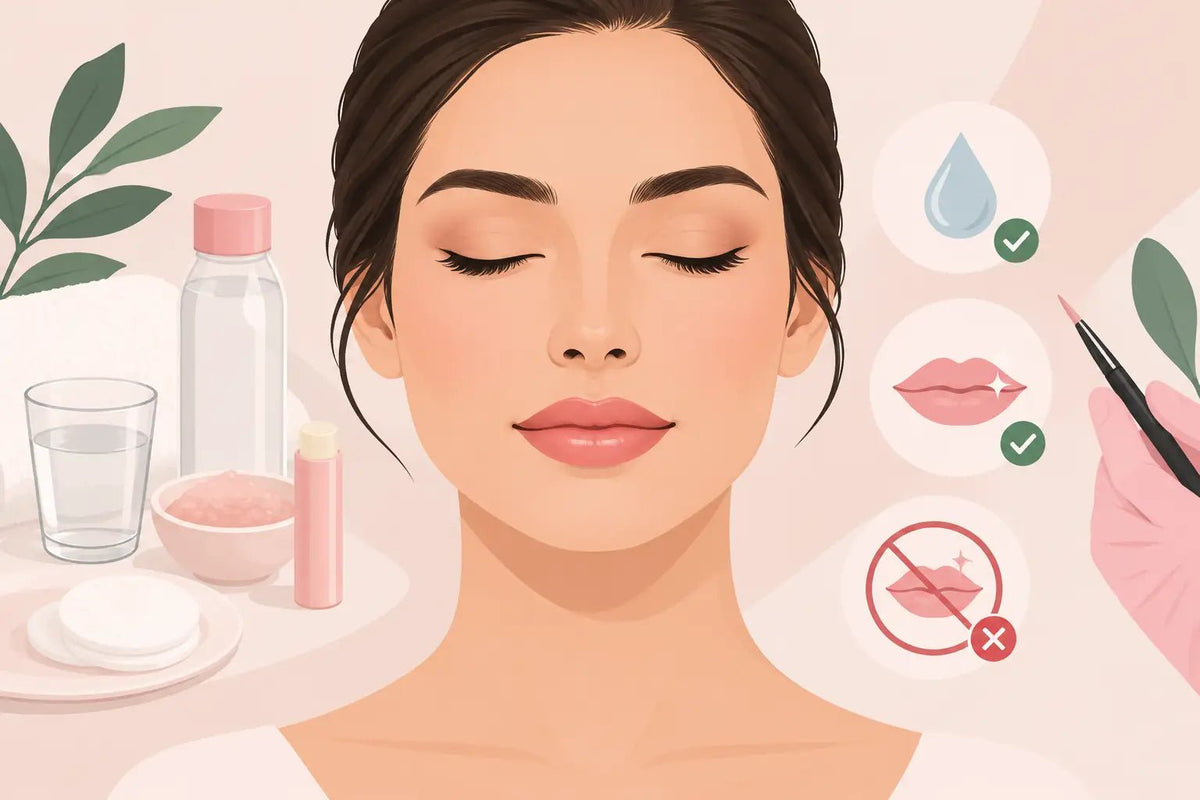
Clients often hear “prepare your lips” and assume that means one day of lip balm. Give them a timed plan instead. Their goal is simple: arrive with calm, hydrated, intact skin.
For the five to seven days before treatment, clients should moisturize their lips consistently with a simple, non-irritating balm they already tolerate. Encourage water intake and remind them that dry indoor air, dehydration, and lip licking can undo a week of good habits. If they are prone to flaking, gentle hydration is more useful than aggressive exfoliation.
Clients should avoid introducing new lip products immediately before their appointment. Strong scrubs, plumping glosses, fragranced treatments, acids, and retinoid products around the mouth can trigger irritation. A lip surface that looks polished after an intense scrub may still be inflamed when it is time to tattoo.
A practical pre-care message should also cover these common variables:
- Avoid sun exposure, tanning, and sunburn on the lips and face before the appointment.
- Avoid alcohol for at least 24 hours before treatment, based on your studio policy.
- Limit caffeine on the day of treatment if it tends to make the client more sensitive, shaky, or prone to bleeding.
- Do not take non-prescribed blood-thinning products for the purpose of preparing for an appointment. Clients should consult their physician about prescribed medications.
Cold Sore History Needs a Clear Protocol
Lip blush can trigger a cold sore outbreak in clients who are prone to herpes simplex virus, even when they have not had a recent flare-up. This conversation should happen during intake, not while your machine is already set up.
Clients with a history of cold sores should speak with a licensed medical provider about whether antiviral prophylaxis is appropriate before their procedure. The provider determines the medication and timing. Your role is to identify the risk, require confirmation that the client has followed their medical provider’s direction when applicable, and reschedule if an outbreak is active.
Avoid promising that preparation eliminates the risk. It can reduce avoidable variables, but no artist can guarantee a specific healing response.
Build a Treatment-Day Setup That Supports Precision
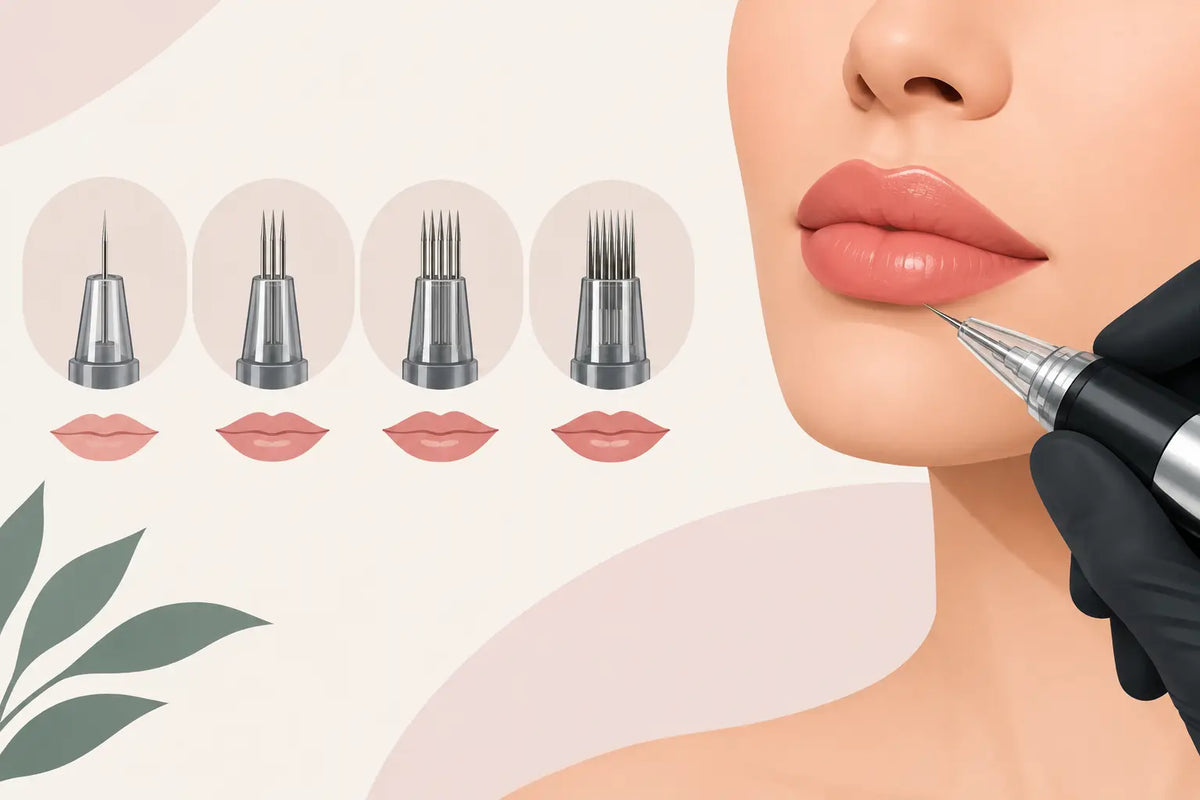
Preparation is also an operational discipline. Before the client arrives, verify that your pigment selection, needle cartridge configuration, PPE, anesthetic products, disposable barriers, and aftercare kit match the treatment plan. A calm setup keeps you from making rushed substitutions once the client is in the chair.
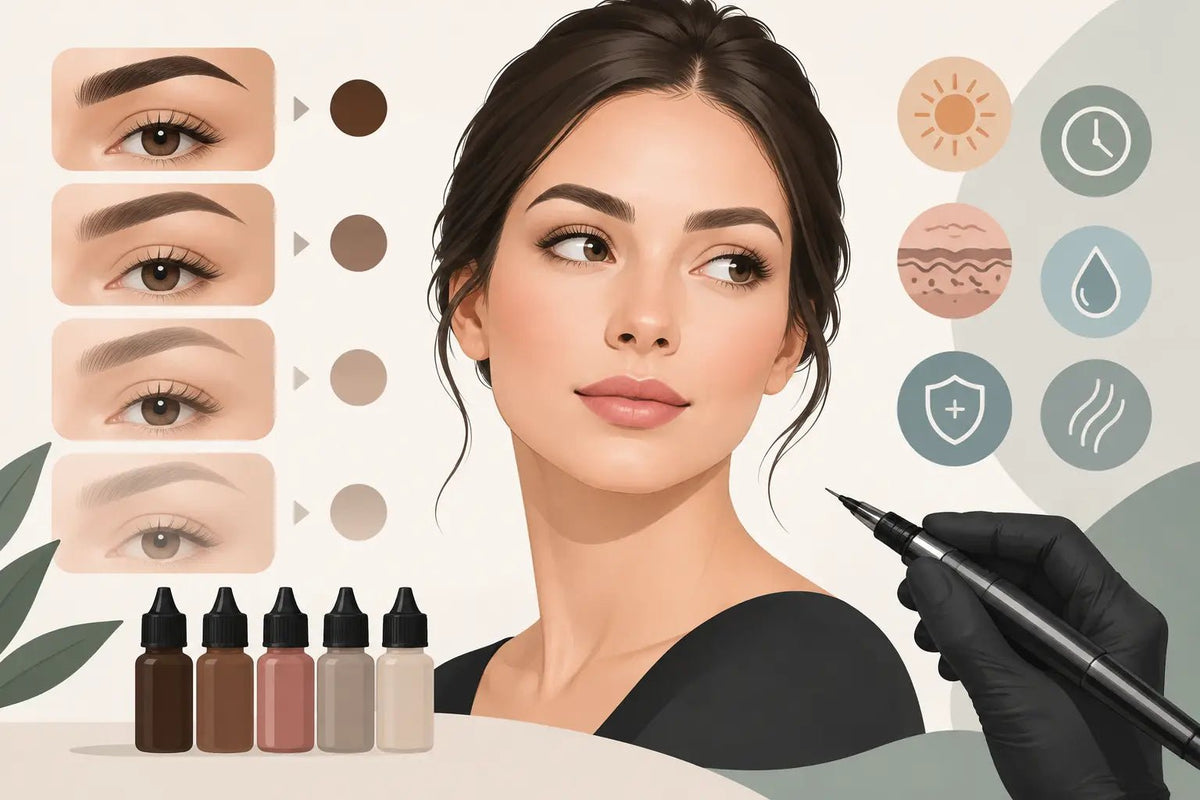
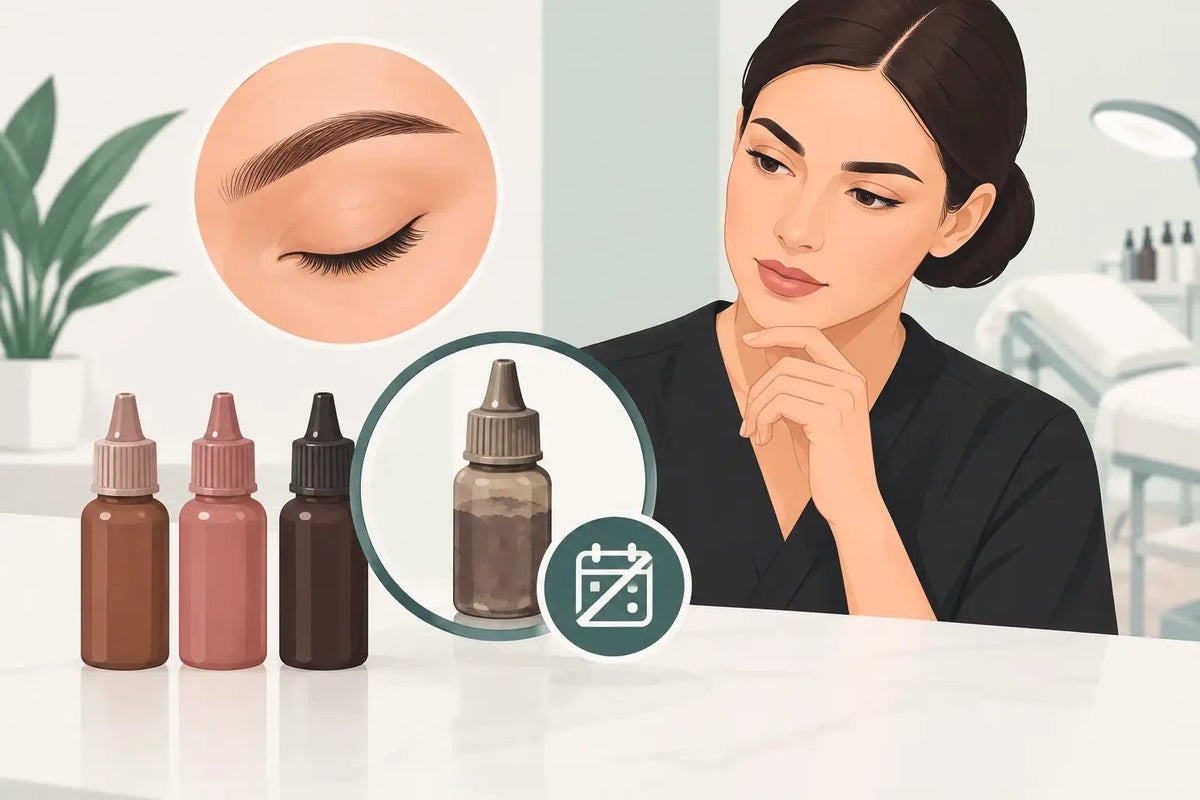
For lip work, pigment choice should be made with the client’s natural lip tone, undertone, melanin level, and desired healed result in mind. Have modifier shades and neutralization options available when the assessment calls for them. A vibrant pre-procedure swatch is not the promise. Healed color, skin behavior, and proper depth are the standard.
Use professional-grade single-use cartridges, appropriate barriers, and clean disposable supplies throughout the service. Your machine should be charged, your work area organized, and your backup essentials within reach. Working artists source these categories together for a reason: pigment performance, needle consistency, comfort products, and hygiene supplies all affect the same appointment.
At Inkbox Artistry, artists can build a streamlined lip setup with professional pigments, universal needle cartridges, anesthetics, PPE, and aftercare essentials selected for the PMU workflow.
What Clients Should Do on Appointment Day
Ask clients to arrive on time, hydrated, and having eaten a normal meal unless a medical provider has instructed otherwise. A client who has skipped breakfast, rushed through traffic, and had multiple coffees is less likely to have a comfortable experience than one who arrives regulated and prepared.
They should come with clean lips free from lipstick, gloss, balm, or makeup around the mouth. If they use a preferred lip color every day, invite them to bring it as a visual reference. It can help you understand their comfort zone, though you should still guide the final color decision according to their natural base and realistic healed outcome.
Before beginning, inspect the lips again under good lighting. Look for dryness at the vermilion border, fresh cracking, irritation, asymmetry, and any change since the consultation. Confirm the chosen shape and color family, take pre-procedure photos, and make sure the client understands that swelling and color intensity immediately after treatment are temporary.
Avoid the Preparation Mistakes That Cause Friction
The biggest mistake is treating pre-care as a disclaimer rather than part of the service. Sending instructions after a client has already paid a deposit invites preventable cancellations and difficult conversations. Include your protocol at booking, send a reminder several days before the appointment, and ask clients to confirm they have read it.
Another common problem is overpromising pigment retention. Retention depends on skin condition, technique, depth, color selection, aftercare compliance, healing response, and lifestyle. Clients need to understand that a perfect first session is not always the finished result. A touch-up appointment is often where color is refined after the skin has fully healed.
Finally, do not try to tattoo through poor preparation to save a booking. Rescheduling a client with severely dry lips is more professional than producing a result that heals patchy. The short-term inconvenience is smaller than the cost of corrective work, lost confidence, and negative word of mouth.
Make Pre-Care Easy to Follow
Your instructions should be short enough that clients actually read them, but specific enough that they know what to do. Use the same wording across your booking page, confirmation email, automated reminder, and consultation form. When your front-end communication matches your in-studio standards, clients arrive better prepared and more confident.
A client who arrives with healthy, hydrated lips gives you a cleaner canvas. That does not replace technical skill, thoughtful pigment selection, or disciplined sanitation, but it gives every part of your work a better chance to perform. Set that expectation early, and your lip blush appointments will begin with fewer surprises and more control.